
Invertebrate
Suminoe Oyster
Magallana ariakensisAlso known as Ariake Oyster, Asian Oyster, Ariake-gaki
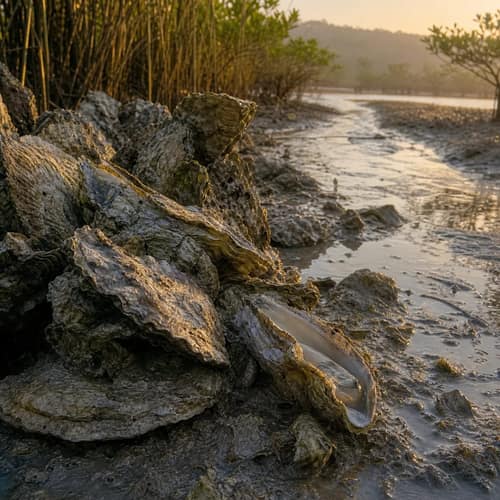
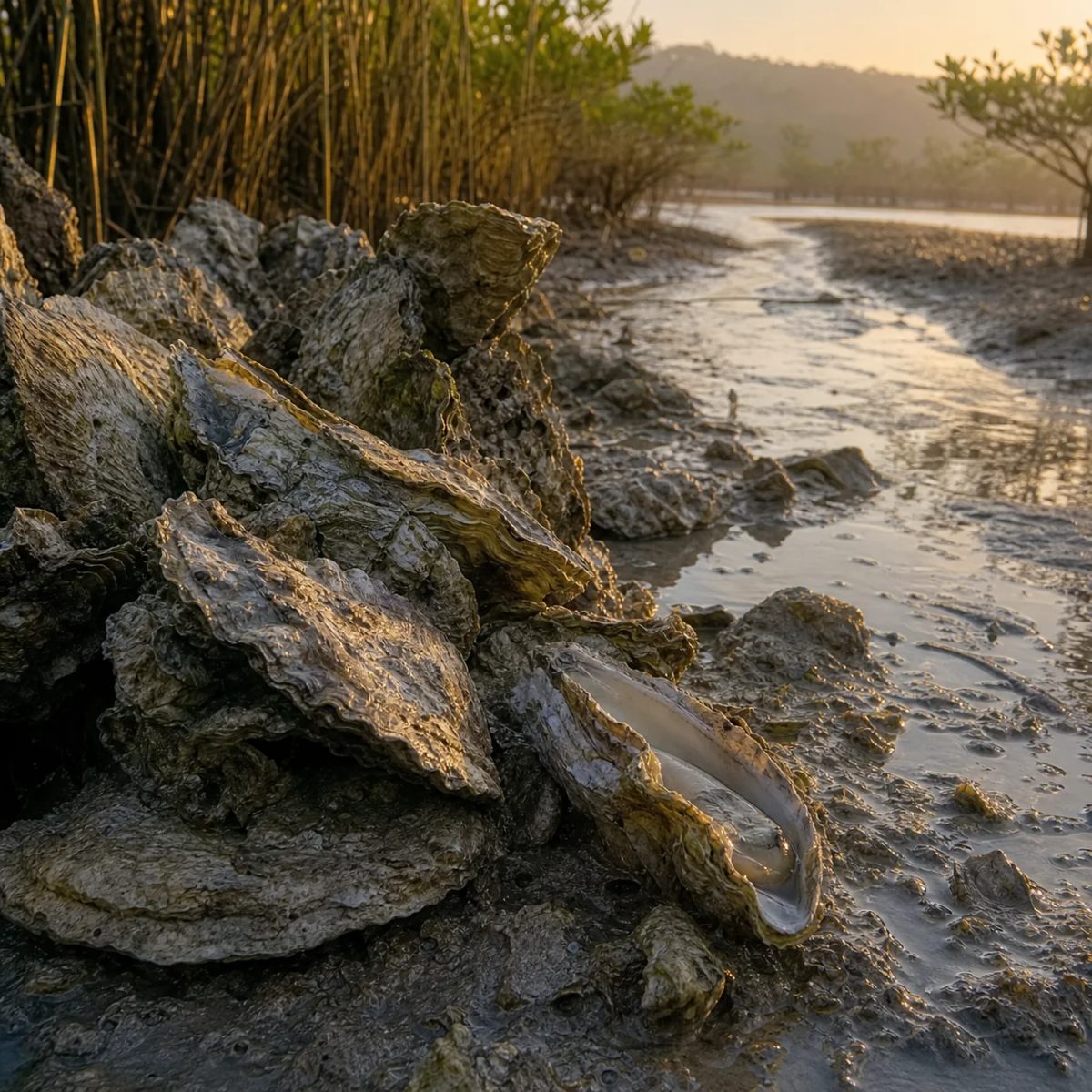
Suminoe oysters are large, fast-growing bivalves that form dense, complex reef structures in warm, muddy estuaries. They act as critical ecosystem engineers, filtering massive volumes of water daily to improve clarity and providing habitat for countless small marine organisms. Their flat, elongated shells adapt remarkably well to low-salinity environments where other oyster species struggle to survive.
Filter FeederReef BuilderEstuarine
—observations
—countries
—peak records
Not EvaluatedConservation statusIUCN Red List categoriesLCNTVUENCREWEXNot Evaluated — not placed on the risk ladderRed List categories, explained →
Diet & preyPhytoplankton, Microalgae, Detritus
Predators
- Oyster drills
- Crabs
- Wading birds
ThreatsSiltation, coastal development, water pollution, and ocean acidification.
HabitatsWarm estuaries, muddy creeks, intertidal hard grounds, and subtidal reefs.
Life span10 to 15 years
Classification
- FamilyOstreidae
- SpeciesMagallana ariakensis
Range data is not available yet.
Interaction riskLow
- Low
- Moderate
- High
- Very high
- Why interaction risk is low
- Safe to observe at a normal distance.
Responsible observation
- Watch your step: Walk carefully on exposed reefs as the shell edges are razor-sharp.
- Observe water clarity: Look for cleaner water downstream of active oyster beds, showcasing their filtration power.
- Check local regulations: Avoid harvesting wild oysters without permits due to conservation and health rules.
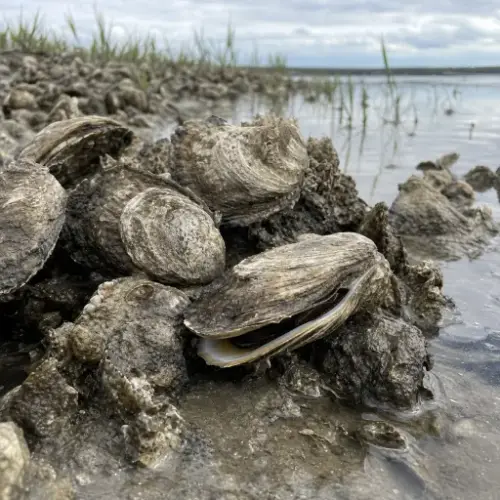
Morphological Look-alike Unknown / CC-BY · cc-by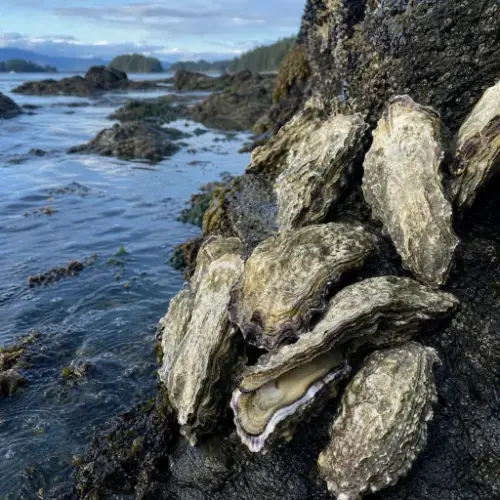
Close Relative Unknown / CC-BY · cc-by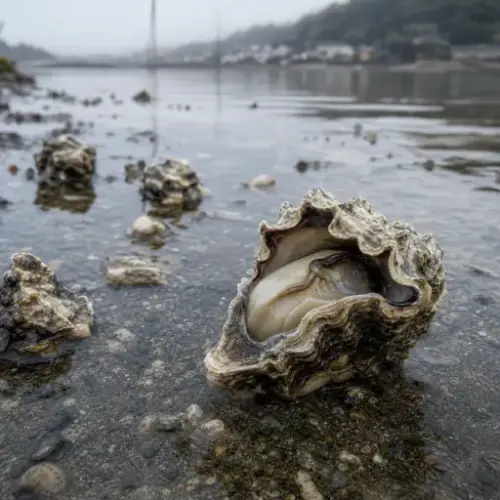
Close Relative Unknown / CC-BY · cc-by
Help improve the field guideSomething wrong?
Checking your Fauna account…Report a name, category, or profile issue for review.