
Mammal
Franklin's Ground Squirrel
Poliocitellus frankliniiAlso known as Whistling Ground Squirrel, Franklin's Spermophile
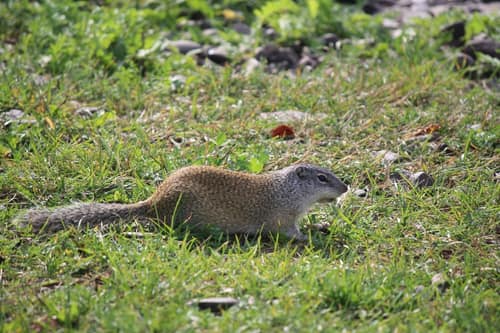
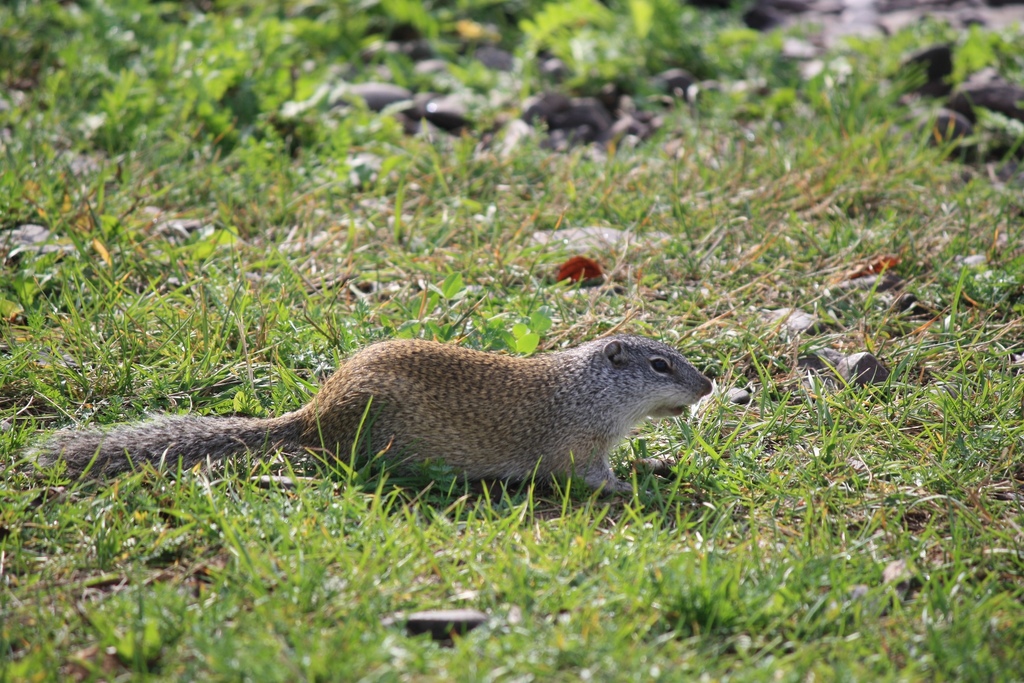
Franklin's ground squirrels are secretive, tallgrass prairie rodents recognized by their tawny-grey mottled coats, brownish heads, and surprisingly clear, musical alarm whistles. They spend over seven months of the year underground in deep winter hibernation, emerging for a brief summer window to mate, forage, and raise young. Omnivorous and agile, they rely on dense, undisturbed grass and brush cover to hide their burrow systems from predators.
DiurnalMammalBurrowing
—observations
—countries
—peak records
Least ConcernConservation statusIUCN Red List categoriesLCNTVUENCREWEXLeast ConcernRed List categories, explained →
Diet & preyInsects, Seeds, Green Vegetation
Predators
- American Badger
- Red-tailed Hawk
- Red Fox
ThreatsHabitat loss, prairie fragmentation, agricultural conversion, brush clearing
HabitatsTallgrass prairie, overgrown fields, railroad corridors, savannah edges
Life span3–5 years
Classification
- FamilySciuridae
- SpeciesPoliocitellus franklinii
Native
Interaction riskLow
- Low
- Moderate
- High
- Very high
- Why interaction risk is low
- May bite or scratch if cornered or handled; observe from a respectful distance.
- What to notice
- Look for a dark head, greyish dappled body, and a moderately bushy tail in dense, tall vegetation.
- Support conservation
- Maintain distance to avoid disturbing burrow entrances or scaring foraging adults during their brief activity window.
Responsible observation
- Listen for Whistles: Scan dense vegetation when hearing a clear, bird-like whistling alarm call.
- Check Dense Cover: Focus on overgrown fence lines, railroad rights-of-way, and unplowed prairie borders.
- Time the Season: Search between late spring and mid-summer before individuals enter deep hibernation.
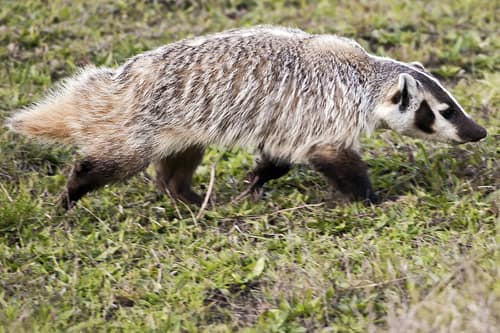
Predator Yathin S Krishnappa / CC BY-SA 3.0 · cc-by-sa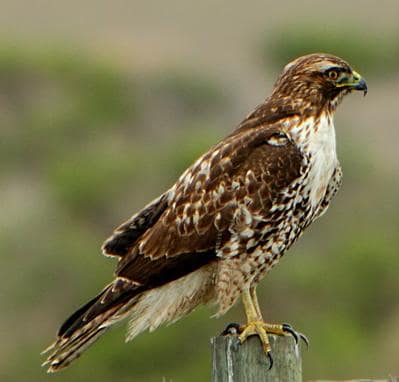
Predator Buteo_jamaicensis_1.jpg: Alan Vernon derivative work: Berichard (talk) / CC BY 2.0 · cc-by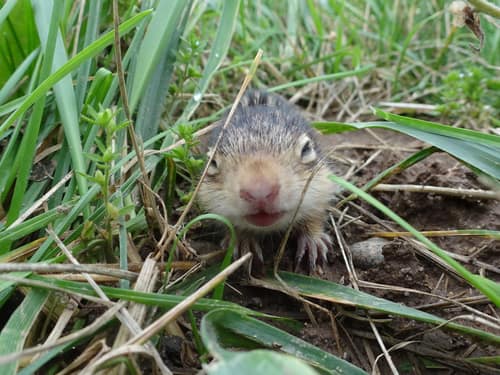
Close Relative (c) Thomas Koffel, some rights reserved (CC BY) · cc-by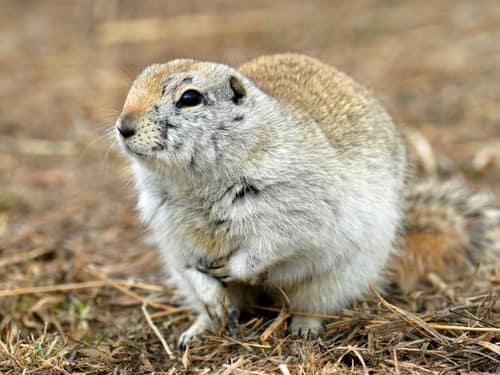
Close Relative (c) D. Sikes, some rights reserved (CC BY-SA) · cc-by-sa
Help improve the field guideSomething wrong?
Checking your Fauna account…Report a name, category, or profile issue for review.