
Invertebrate
Haddon's Carpet Anemone
Stichodactyla haddoniAlso known as Saddleback Carpet Anemone, Haddon's Anemone, Saddle Anemone
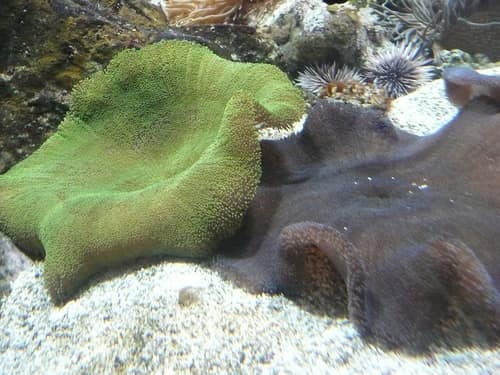
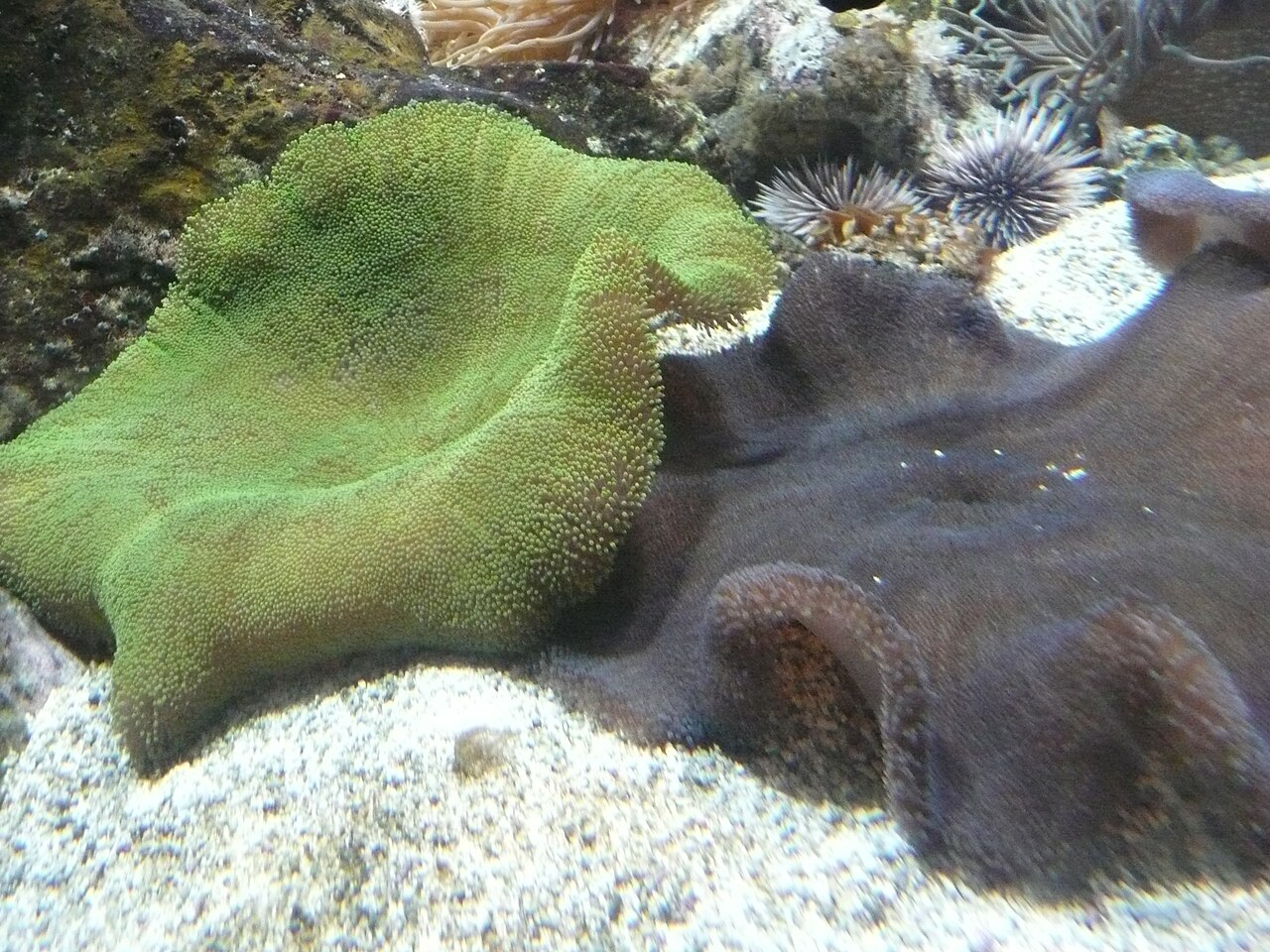
Haddon's carpet anemones feature a wide, undulating oral disc covered in short, blunt, and highly sticky tentacles that create a carpet-like appearance. They typically anchor their column deep into sandy or muddy substrates, retracting completely into the sediment when threatened. These marine invertebrates host a variety of symbiotic partners, including several species of anemonefish and tiny commensal shrimp.
SymbioticMarineInvertebrate
—observations
—countries
—peak records
Not EvaluatedConservation statusIUCN Red List categoriesLCNTVUENCREWEXNot Evaluated — not placed on the risk ladderRed List categories, explained →
Diet & preyPlankton, Small fish, Crustaceans
Predators
- Nudibranchs
- Butterflyfish
- Sea stars
ThreatsCoral bleaching, habitat destruction, and over-harvesting for the aquarium trade
HabitatsSandy lagoons, seagrass beds, and shallow reef flats
Life spanDecades
Classification
- FamilyStichodactylidae
- SpeciesStichodactyla haddoni
Range data is not available yet.
Interaction riskVery high
- Low
- Moderate
- High
- Very high
- Why interaction risk is very high
- Tentacles are highly sticky and venomous; avoid touching to prevent painful skin irritation.
- Why it is dangerous
- Possesses powerful stinging cells called nematocysts that adhere strongly to human skin, causing painful rashes and localized swelling.
- How to recognize a risky encounter
- Recognizable by its flat, folded, carpet-like disc covered in very short, densely packed, sticky tentacles.
- What to do
- Never touch the tentacles directly; wear thick protective gloves if handling is necessary in an aquarium setting.
Responsible observation
- Observe the sand line: Look for their discs spread flat against sandy bottoms near shallow reefs.
- Watch for symbionts: Scan the tentacles closely to spot tiny commensal shrimp or protective anemonefish.
- Do not touch: Avoid physical contact as their nematocysts cling tightly and can tear skin.
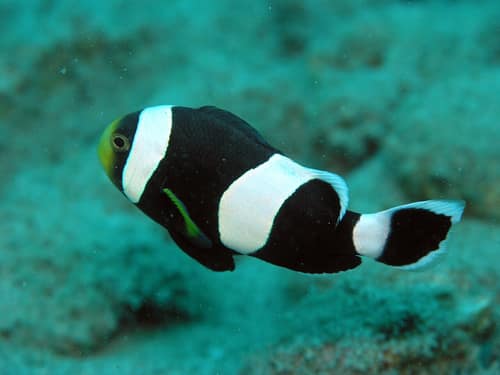
Symbiont Jens Petersen / CC BY-SA 3.0 · cc-by-sa Image unavailable
Symbiont 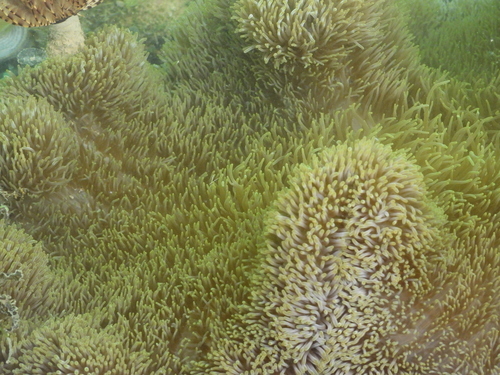
Close Relative (c) Samuel Lee, some rights reserved (CC BY) · cc-byClose Relative
Help improve the field guideSomething wrong?
Checking your Fauna account…Report a name, category, or profile issue for review.