
Mammal
Kabomani Tapir
Tapirus kabomaniAlso known as Little Black Tapir, Small Black Tapir, Kabomani Lowland Tapir
Kabomani tapirs are the smallest of the living tapir species, navigating the dense undergrowth of the Amazonian rainforest with remarkable agility. They possess a darker, shorter coat than their lowland relatives and a distinctively lower sagittal crest. These solitary herbivores play a vital role in their ecosystem by dispersing seeds across the forest floor as they forage during the cooler night hours.
NocturnalSolitaryRainforest
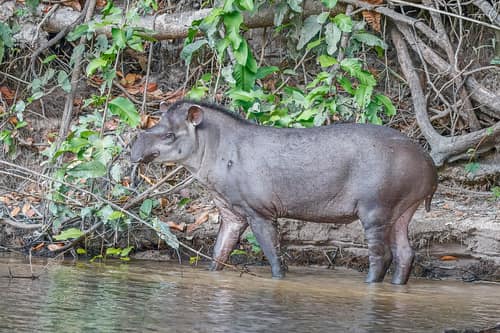
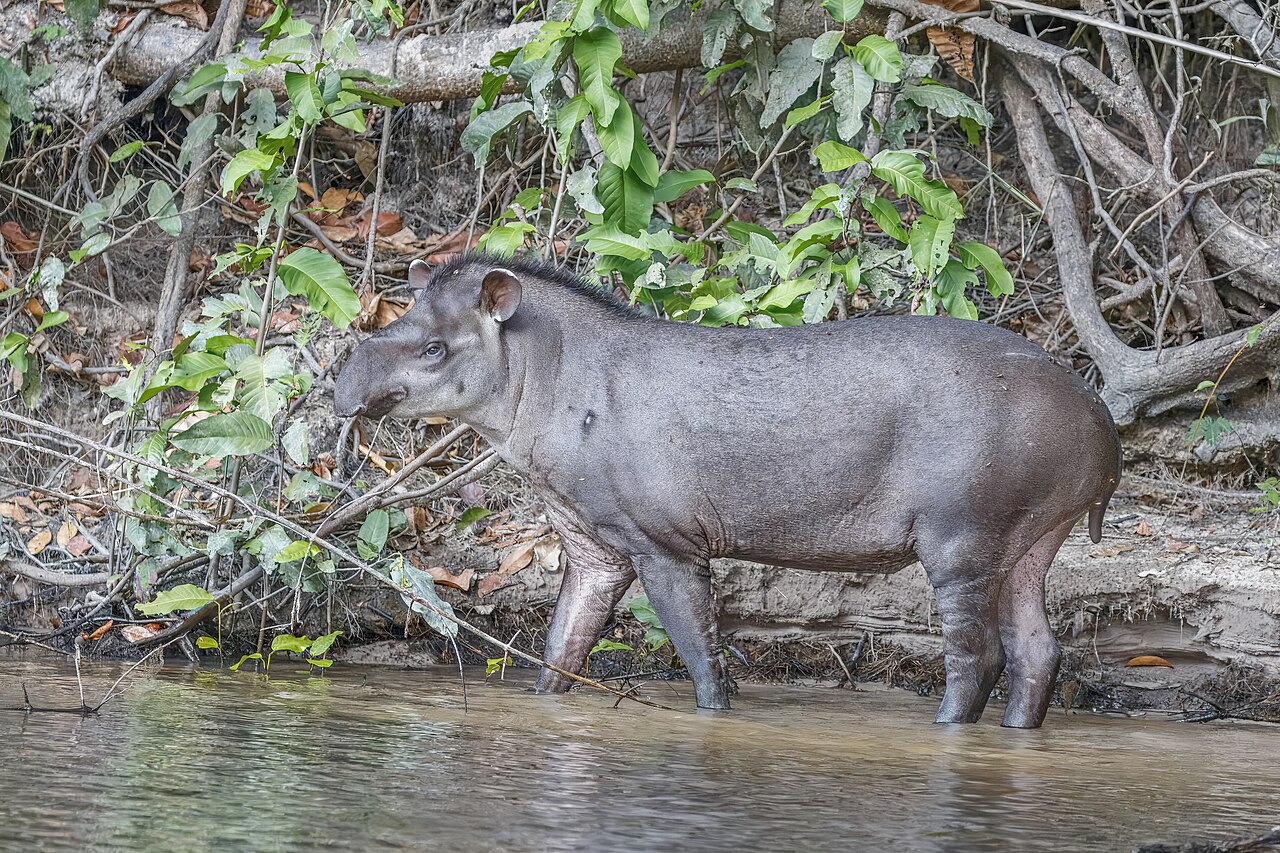
—observations
—countries
—peak records
Not EvaluatedConservation statusIUCN Red List categoriesLCNTVUENCREWEXNot Evaluated — not placed on the risk ladderRed List categories, explained →
Diet & preyLeaves, Fruits, Twigs
Predators
- Jaguar
- Cougar
- Black Caiman
ThreatsDeforestation, hunting, and habitat fragmentation
HabitatsTropical rainforests, grasslands, and river corridors
Life span25 to 30 years
Classification
- FamilyTapiridae
- SpeciesTapirus kabomani
Range data is not available yet.
Interaction riskHigh
- Low
- Moderate
- High
- Very high
- Why interaction risk is high
- Can deliver a powerful defensive bite if startled or cornered; observe from a safe distance.
- Why it is dangerous
- Though generally shy, they possess powerful jaws and sharp teeth capable of inflicting severe defensive bites if they feel threatened.
- How to recognize a risky encounter
- Look for a dark grey to brown coat, a low mane, and a smaller stature than other South American tapirs.
- What to do
- Never corner or attempt to feed a wild tapir; back away slowly if one approaches.
- What to notice
- Recognized by its small size, darker coloration, and broader forehead compared to the lowland tapir.
- Support conservation
- Report sightings to local conservation researchers and avoid disclosing precise location data publicly.
Responsible observation
- Listen for whistles: Listen for high-pitched, bird-like whistling calls used to communicate in dense brush.
- Look for tracks: Search muddy riverbanks for their distinctive three-toed hind prints and four-toed front prints.
- Keep your distance: Avoid approaching closely, especially near water where they may feel trapped.
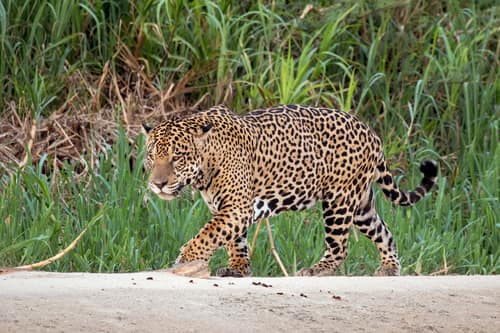
Predator (c) Charles J. Sharp , some rights reserved (CC BY-SA) · cc-by-sa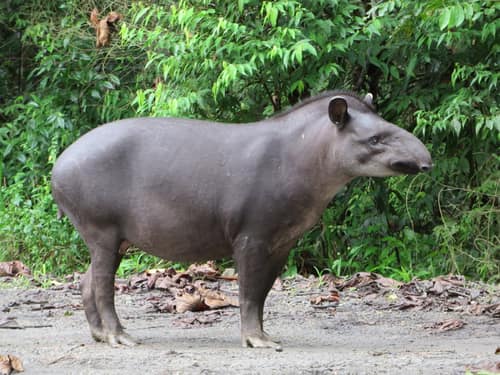
Close Relative (c) Jens-Christian Svenning, some rights reserved (CC BY), uploaded by Jens-Christian Svenning · cc-by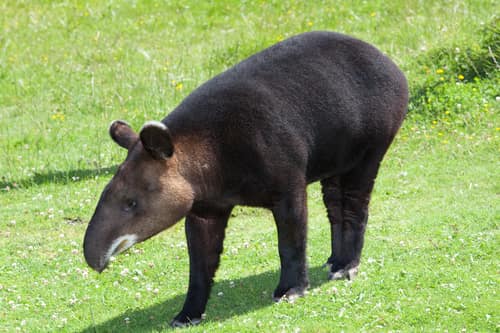
Close Relative (c) David Sifry, some rights reserved (CC BY) · cc-by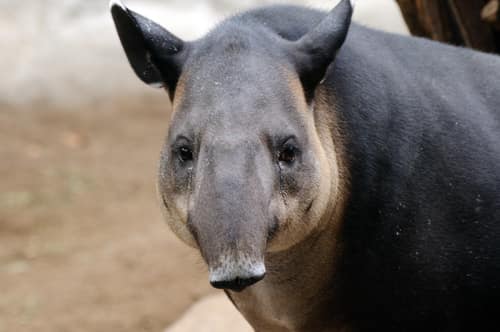
Close Relative "Baird's Tapir" by Eric Kilby is licensed under CC BY-SA 2.0. To view a copy of this license, visit https://creativecommons.org/licenses/by-sa/2.0/. · cc-by-sa
Help improve the field guideSomething wrong?
Checking your Fauna account…Report a name, category, or profile issue for review.