
Bird
Galapagos Mockingbird
Mimus parvulusAlso known as Common Galapagos Mockingbird
Galapagos mockingbirds are highly social, inquisitive birds famous for their cooperative breeding groups where helpers assist a dominant pair in raising young. They spend much of their time running along the ground searching for food and will boldly approach visitors in search of water or scraps. These fearless omnivores play a key role in island ecology by dispersing seeds and consuming a wide variety of insects and small vertebrates.
EndemicSocialInquisitive
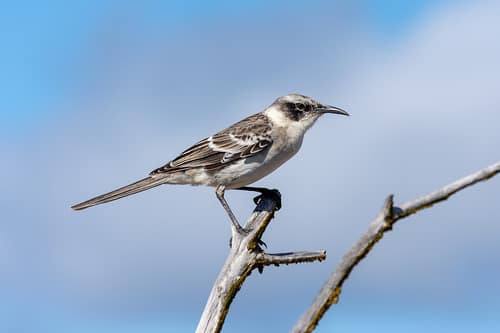
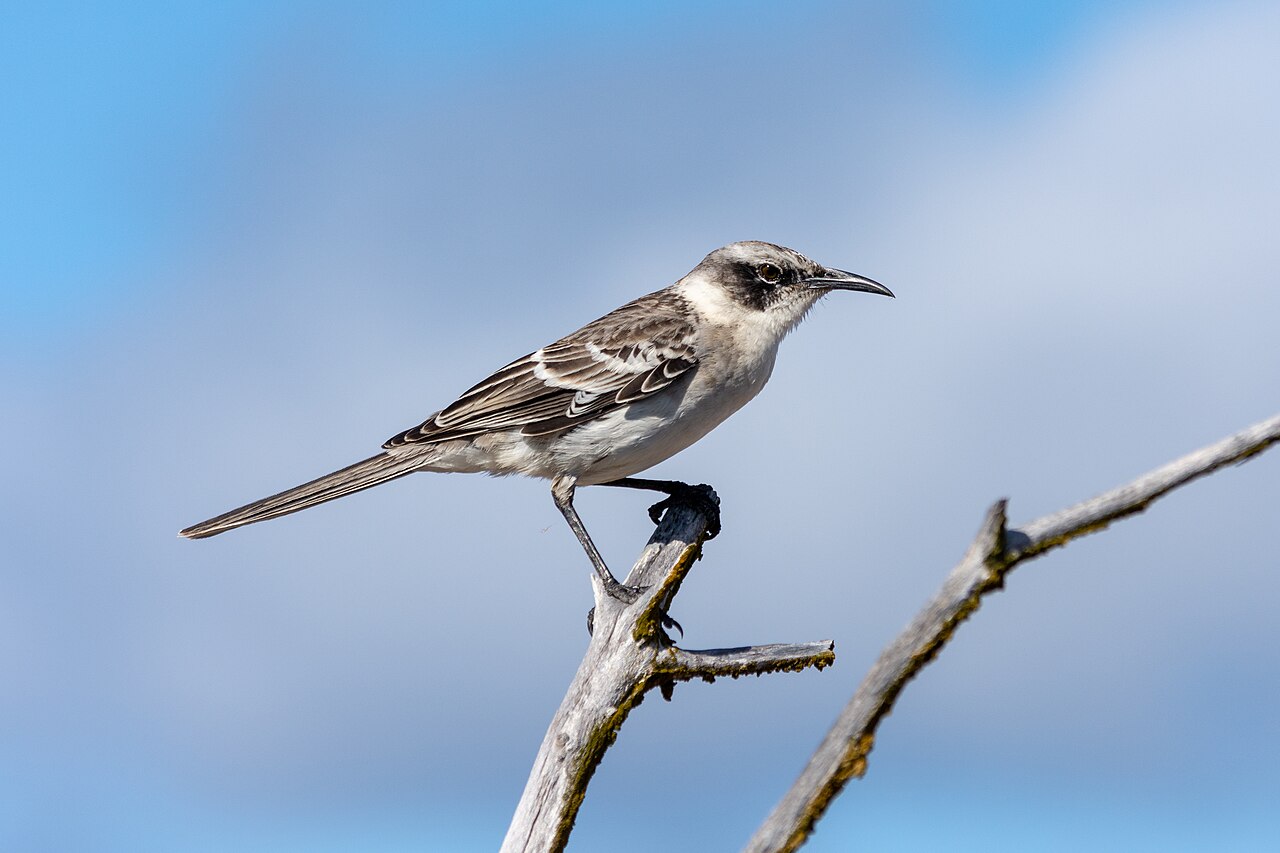
—observations
—countries
—peak records
Least ConcernConservation statusIUCN Red List categoriesLCNTVUENCREWEXLeast ConcernRed List categories, explained →
Diet & preyGrasshoppers, Lava Lizards, Seabird Eggs
Predators
- Galapagos Hawk
- Short-eared Owl
- Feral Cat
ThreatsInvasive predators like feral cats and rats, avian pox, and severe El Niño events
HabitatsArid lowland scrub, deciduous forests, and coastal shrublands
Life span8 to 12 years
Classification
- FamilyMimidae
- SpeciesMimus parvulus
Range data is not available yet.
Interaction riskLow
- Low
- Moderate
- High
- Very high
- Why interaction risk is low
- Safe to observe at a normal distance.
- What to notice
- Look for a streaked grey-brown bird with a long, slightly curved bill and a dark patch through the eye.
- Support conservation
- Never touch or feed the birds, and sanitize footwear between islands to prevent spreading pathogens.
Responsible observation
- Keep Distance: Maintain the national park standard of two meters even if they approach you.
- Do Not Feed: Avoid offering food or water, as they are highly opportunistic beggars.
- Secure Belongings: Keep bags zipped since these curious birds will investigate loose items.
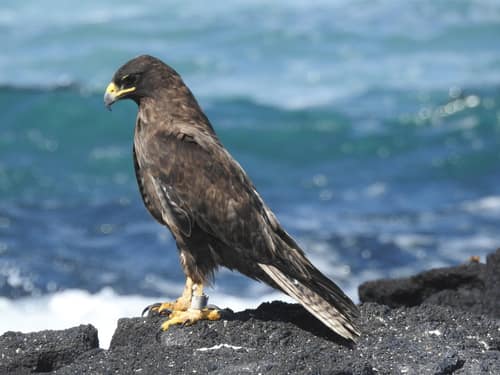
Predator (c) Tristan Jobin, some rights reserved (CC BY), uploaded by Tristan Jobin · cc-by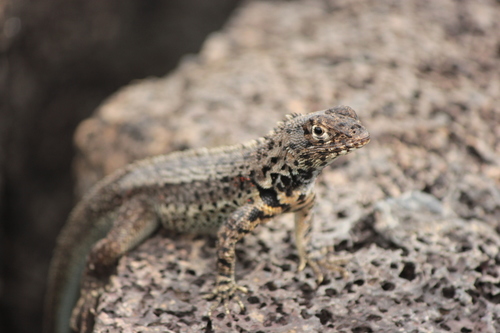
Prey (c) Frank Dietze, some rights reserved (CC BY) · cc-by Image unavailable
Close Relative Close Relative Close Relative
Help improve the field guideSomething wrong?
Checking your Fauna account…Report a name, category, or profile issue for review.