Species · GBIF taxon 7341805
Yellow-rumped Warbler
Setophaga coronataAlso known as Myrtle Warbler, Audubon's Warbler, Butterbutt
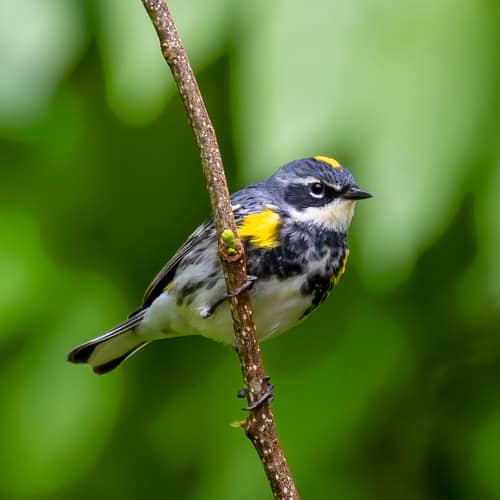
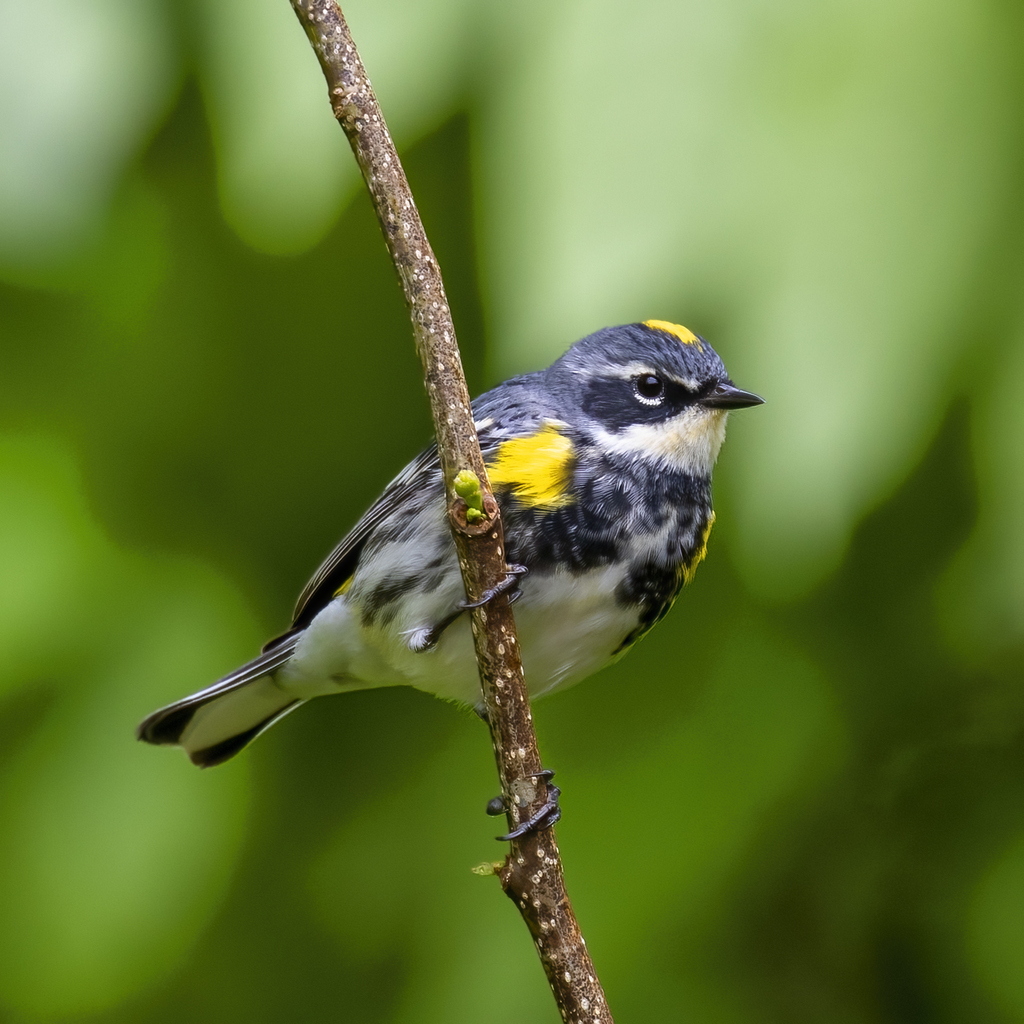
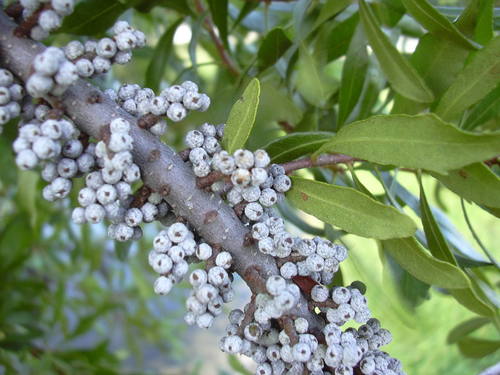
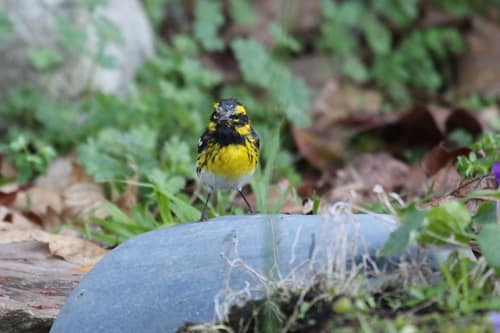
Yellow-rumped Warblers are highly active, versatile foragers easily recognized by the bright yellow patches on their rumps, flanks, and crowns. They possess a unique ability to digest waxy bayberries and wax myrtle berries, allowing them to winter much further north than other American warblers. During migration, they travel in large, loose flocks, filling the forest canopy with sharp, metallic chipping calls as they dart after flying insects.
MigratoryInsectivorousVocal
- diet
- Insects, spiders, wild berries, and seeds
- family
- Parulidae
- threats
- Habitat loss, window collisions, and pesticides
- life Span
- 5 to 7 years
LC
Safe to observe at a normal distance.
- Listen for Chips: Locate these active birds by listening for their sharp, distinctive check call note in the brush.
- Plant Native Shrubs: Attract wintering warblers to your yard by planting wax myrtle, juniper, or bayberry bushes.
- Watch the Canopy: Look for their characteristic flycatcher-style sallying behavior as they snatch insects mid-air.