
Bird
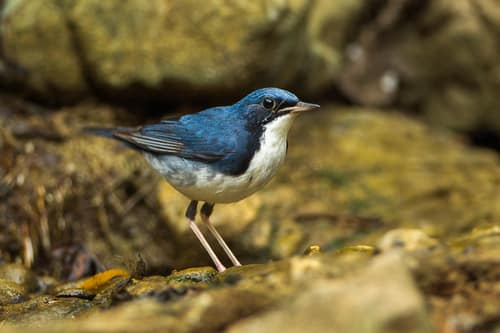
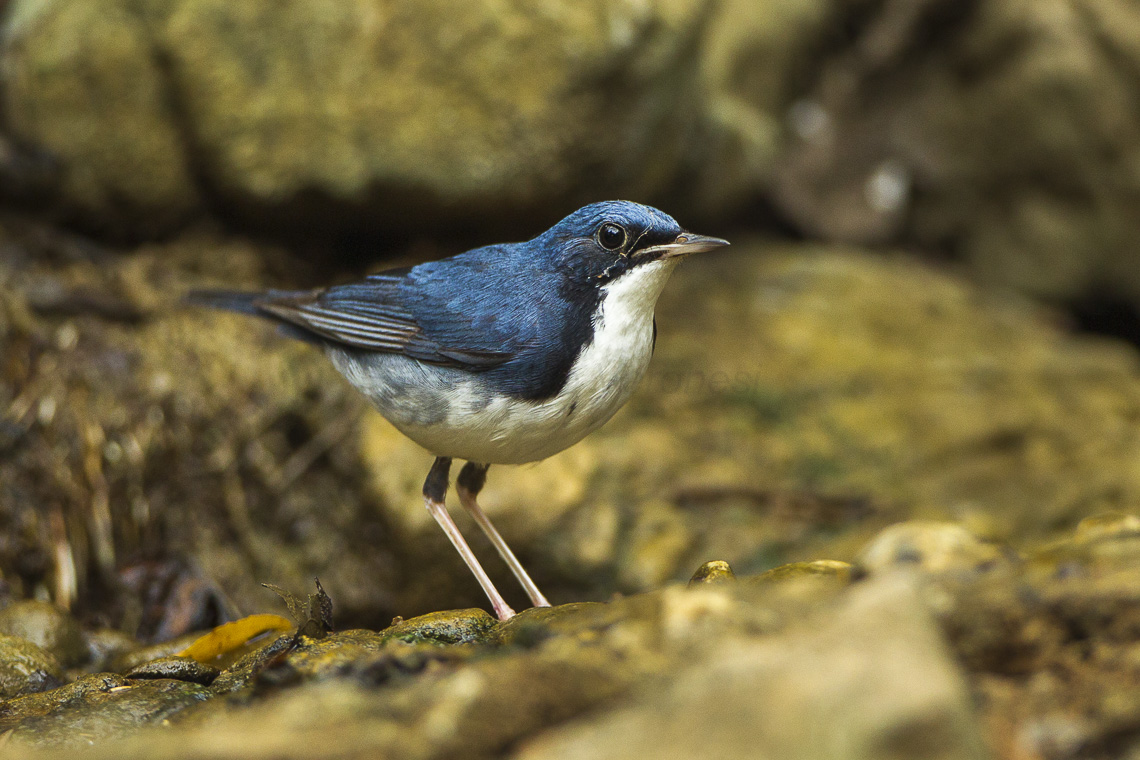
Siberian Blue Robin
Larvivora cyaneAlso known as Siberian Bluechat, Blue Robin
These secretive, ground-dwelling songbirds forage quietly in the dense undergrowth of coniferous and mixed forests, constantly flicking their tails. Breeding males boast a striking deep blue upper plumage contrasted against a clean white underside, while females and immatures wear a cryptic olive-brown coat. During the winter, they migrate from their Siberian and East Asian breeding grounds to the tropical forests of Southeast Asia, where they remain highly elusive.
MigratoryInsectivorousShy
—observations
—countries
—peak records
Least ConcernConservation statusIUCN Red List categoriesLCNTVUENCREWEXLeast ConcernRed List categories, explained →
Diet & preyCaterpillars, Beetles, Ants
Predators
- Domestic Cats
- Eurasian Sparrowhawks
- Snakes
ThreatsHabitat loss in wintering grounds, collisions during migration, climate change
HabitatsConiferous and mixed forests, dense taiga undergrowth, tropical wintering forests
Life span3 to 5 years
Classification
- FamilyMuscicapidae
- SpeciesLarvivora cyane
Range data is not available yet.
Interaction riskLow
- Low
- Moderate
- High
- Very high
- Why interaction risk is low
- Safe to observe at a normal distance.
Responsible observation
- Listen for the song: Locate these secretive birds by listening for their loud, musical whistle followed by a series of rapid trills.
- Scan the forest floor: Look closely at dense, shady undergrowth where they actively hop and flick their tails while foraging.
- Minimize movement: Remain completely still near thickets, as they are easily startled and will quickly retreat into deep cover.
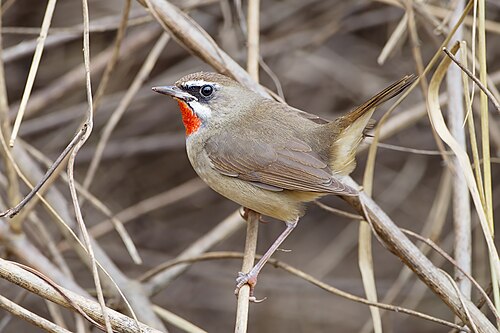
Frequent Companion JJ Harrison (https://www.jjharrison.com.au/) / CC BY-SA 3.0 · cc-by-sa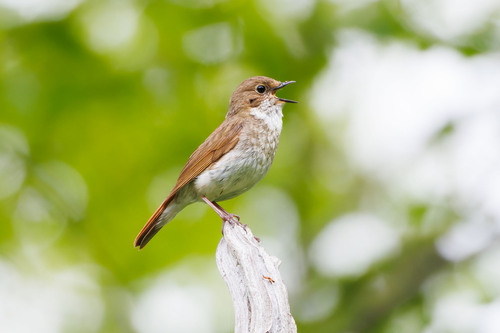
Close Relative (c) Михаил Голомысов, some rights reserved (CC BY) · cc-by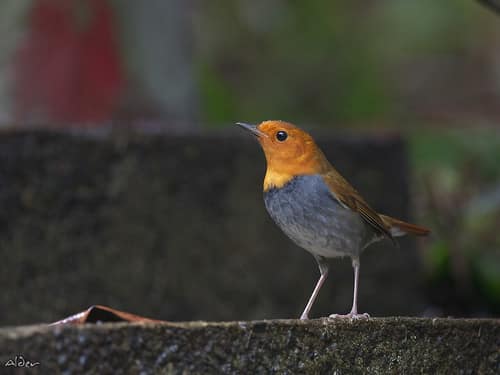
Close Relative Alnus / CC BY-SA 3.0 · cc-by-sa Image unavailable
Close Relative 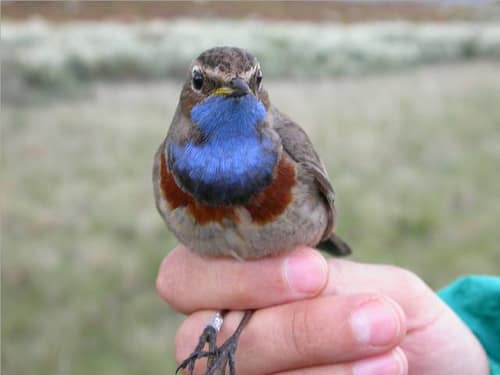
Close Relative (c) franciscodocampo, some rights reserved (CC BY) · cc-by
Keep collecting in Fauna
Found in Collections
Ecosystem chain
The Forest Floor
Siberian Blue Robin is found in this collection. Identify it in Fauna to fill this slot and continue your progress.
—/12
Help improve the field guideSomething wrong?
Checking your Fauna account…Report a name, category, or profile issue for review.