
Mammal
Cape Mountain Zebra
Equus zebra zebraAlso known as Cape Zebra
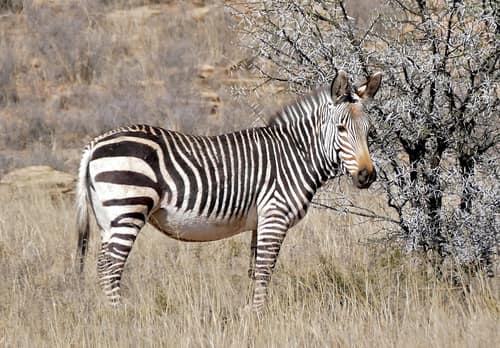
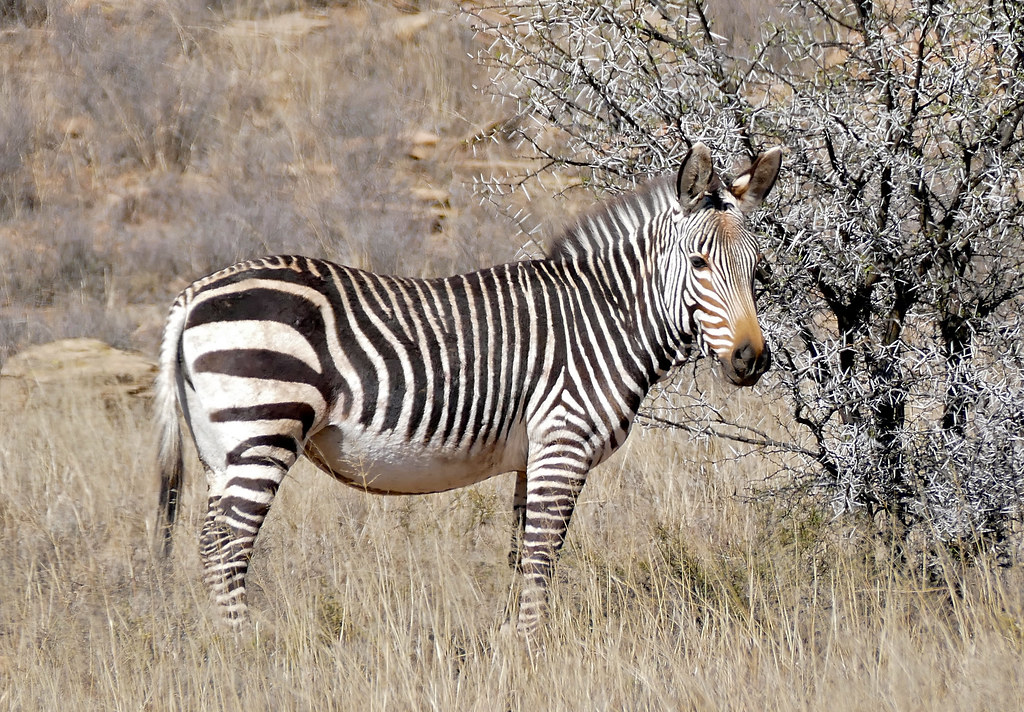
Cape mountain zebras are striking, stocky equids distinguished by their narrow, vertical body stripes, a characteristic gridiron pattern of horizontal bars across the rump, and a prominent dewlap on the throat. They form small, stable breeding herds consisting of a single stallion and a few mares with their offspring, navigating steep, rocky terrain with remarkable agility. Once on the brink of extinction, these resilient herbivores play a vital role in grazing down tough mountain fynbos and grassland vegetation.
Mountain-dwellingSocialHerbivore
—observations
—countries
—peak records
VulnerableConservation statusIUCN Red List categoriesLCNTVUENCREWEXVulnerableRed List categories, explained →
Diet & preyRed grass, Fynbos shrubs, Sedges
Predators
- Lions
- Leopards
- Spotted hyenas
ThreatsHabitat fragmentation, genetic bottlenecking, hybridization with Hartmann's mountain zebra, and climate change.
HabitatsMountainous grasslands, rocky slopes, and fynbos shrublands.
Life span20 to 25 years in the wild
Classification
- FamilyEquidae
- SpeciesEquus zebra zebra
Range data is not available yet.
Interaction riskHigh
- Low
- Moderate
- High
- Very high
- Why interaction risk is high
- Can deliver powerful kicks and bites if cornered; observe from a safe distance inside a vehicle.
- What to notice
- Look for narrow black-and-white stripes that do not meet under the white belly, and a dewlap on the throat.
- Support conservation
- Never approach on foot, block their movement, or crowd them at waterholes.
Responsible observation
- Keep your distance: Always view these wild equids from a vehicle or designated safe lookout points.
- Look for the dewlap: Identify them by the distinct fold of skin on the throat, unique to mountain zebras.
- Watch herd dynamics: Observe the stallion's protective behavior as he herds his mares away from potential threats.
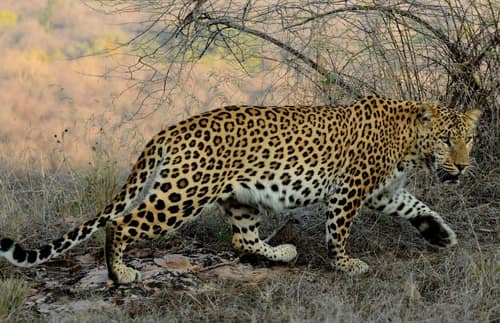
Predator (c) Raja bandi, some rights reserved (CC BY), uploaded by Raja bandi · cc-by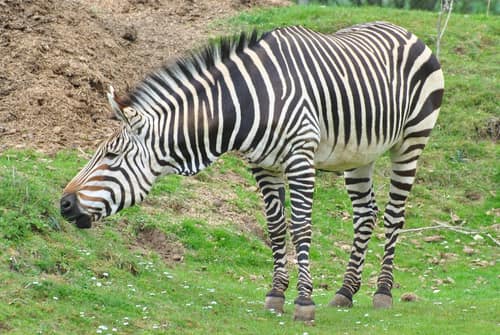
Close Relative (c) John5199, some rights reserved (CC BY) · cc-by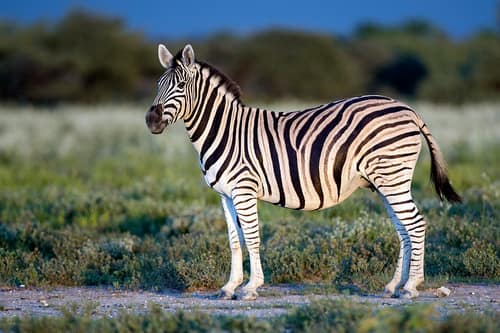
Close Relative Yathin S Krishnappa / CC BY-SA 3.0 · cc-by-sa
Help improve the field guideSomething wrong?
Checking your Fauna account…Report a name, category, or profile issue for review.