
Mammal
African Leopard
Panthera pardus pardusAlso known as Leopard, African Panther
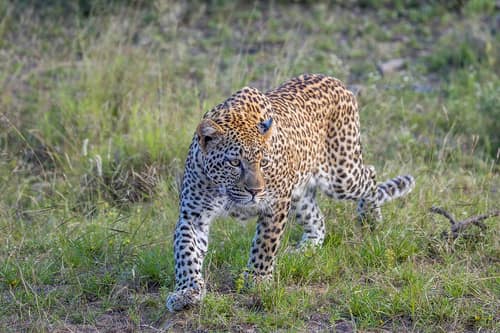
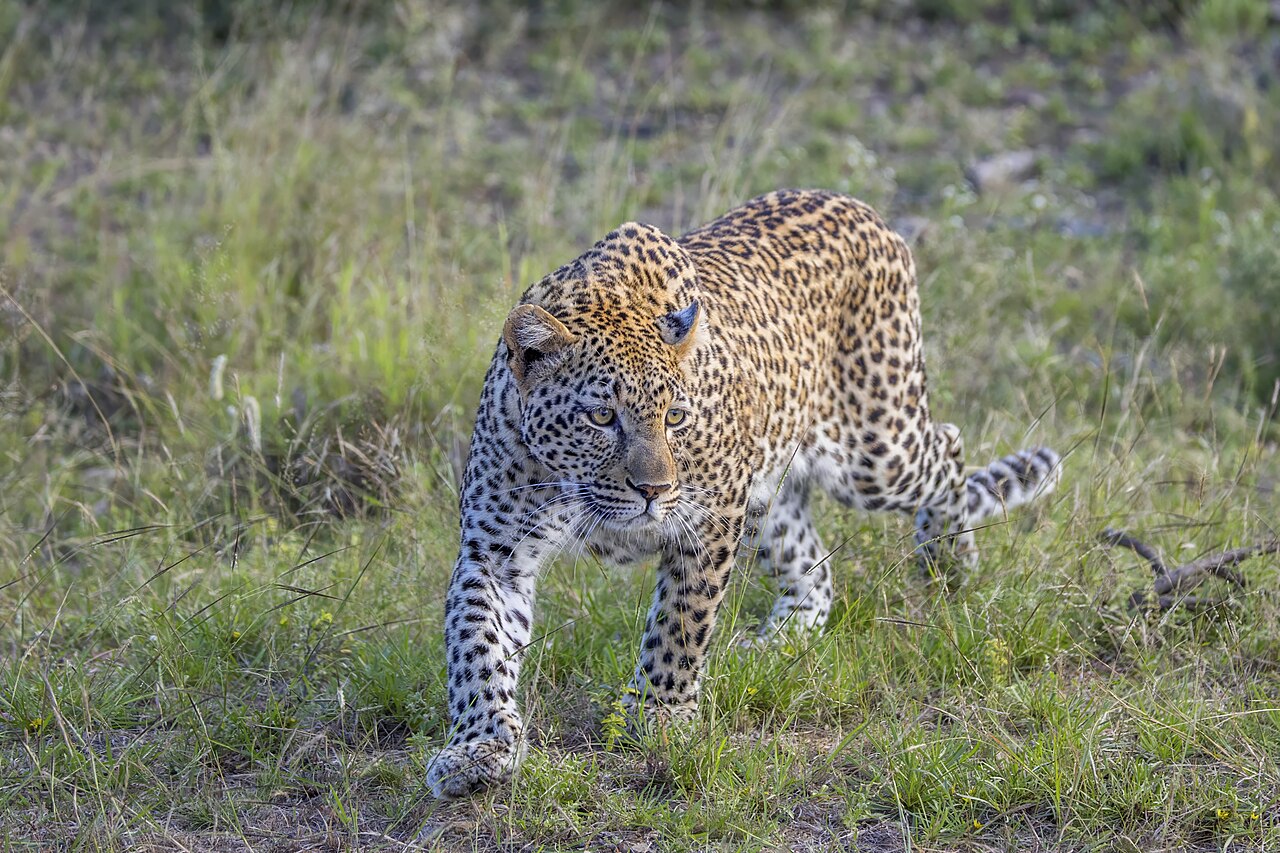
These solitary, adaptable big cats are master climbers that routinely haul heavy carcasses up into the branches of acacia trees to keep them away from ground-dwelling competitors. They communicate through a series of low, rasping grunts that sound remarkably like a wood saw cutting through timber. Active mostly from dusk to dawn, their beautifully rosetted coats provide near-perfect camouflage in both dense riverine forests and dry savannahs.
NocturnalSolitaryApex Predator
—observations
—countries
—peak records
VulnerableConservation statusIUCN Red List categoriesLCNTVUENCREWEXVulnerableRed List categories, explained →
Diet & preyImpala, Bushbuck, Vervet Monkey
Predators
- Lion
- Spotted Hyena
- Nile Crocodile
ThreatsHabitat fragmentation, prey depletion, human-wildlife conflict, and poaching
HabitatsSavannahs, woodlands, riverine forests, mountains, and deserts
Life span12 to 15 years in the wild
Classification
- FamilyFelidae
- SpeciesPanthera pardus pardus
Range data is not available yet.
Interaction riskHigh
- Low
- Moderate
- High
- Very high
- Why interaction risk is high
- An apex predator capable of lethal attacks; always observe from the safety of an enclosed safari vehicle.
- Why it is dangerous
- Possesses immense physical strength, sharp claws, and a powerful bite that can easily cause fatal injuries if provoked or cornered.
- How to recognize a risky encounter
- Look for a muscular, low-slung body covered in black rosettes on a yellow-gold coat, often seen resting in trees.
- What to do
- Stay inside an enclosed vehicle, keep windows rolled up, and never make sudden movements or loud noises.
- What to notice
- Recognizable by its rosette-patterned coat, long tail, and secretive, stealthy movements through thick cover.
- Support conservation
- Support local conservation initiatives and avoid purchasing any products made from wild animal skins.
Responsible observation
- Scan the Canopy: Look closely at the horizontal branches of large trees, where they often drape their tails and limbs while resting.
- Listen for Alarm Calls: Pay attention to the frantic barking of baboons or the snorting of impalas, which often signal a nearby cat.
- Keep Your Distance: Never attempt to approach on foot, and keep all limbs inside your vehicle when viewing them.
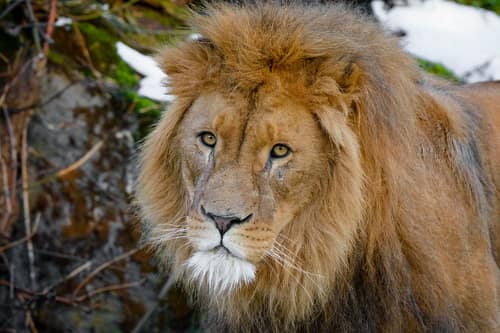
Competitor "African Lion" by Mathias Appel is marked with CC0 1.0. To view the terms, visit https://creativecommons.org/publicdomain/zero/1.0/. · cc0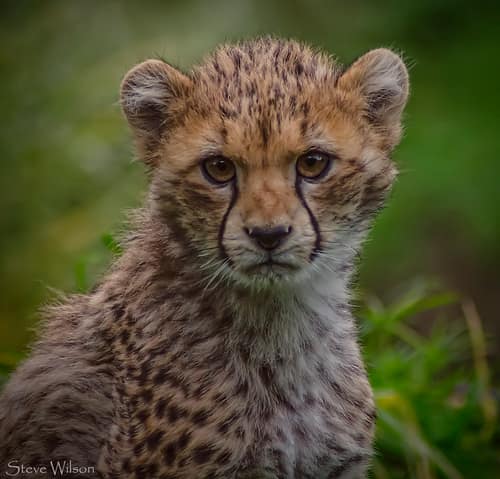
Co-occurring Felid "Portrait of a Cheetah Cub" by Steve Wilson - over 10 million views Thanks !! is licensed under CC BY 2.0. To view a copy of this license, visit https://creativecommons.org/licenses/by/2.0/. · cc-by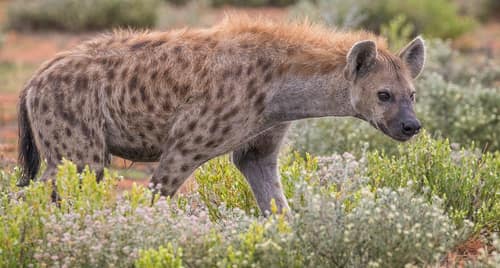
Competitor Charles J. Sharp / CC BY-SA 4.0 · cc-by-sa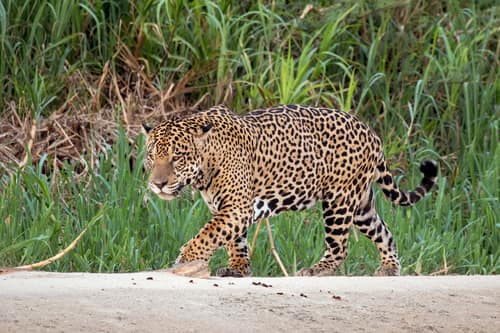
Close Relative (c) Charles J. Sharp , some rights reserved (CC BY-SA) · cc-by-sa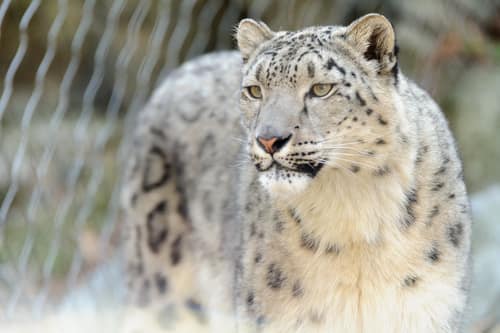
Close Relative "Snow Leopard from the Side" by Eric Kilby is licensed under CC BY-SA 2.0. To view a copy of this license, visit https://creativecommons.org/licenses/by-sa/2.0/. · cc-by-sa
Help improve the field guideSomething wrong?
Checking your Fauna account…Report a name, category, or profile issue for review.