
Mammal
Eastern Bobcat
Lynx rufus rufusAlso known as Wildcat, Bay Lynx, Red Lynx
Bobcats are stealthy, adaptable predators famous for their short bobbed tails, tufted ears, and ruffed facial fur that frames a fierce expression. These solitary felines hunt by stalking and pouncing, utilizing exceptional hearing and keen night vision to secure prey in habitats ranging from dense swamps to suburban woodlots. Though rarely seen due to their elusive nature, they leave behind distinctive round, clawless tracks and raspy, screaming vocalizations during the late winter mating season.
CrepuscularCarnivoreSolitary
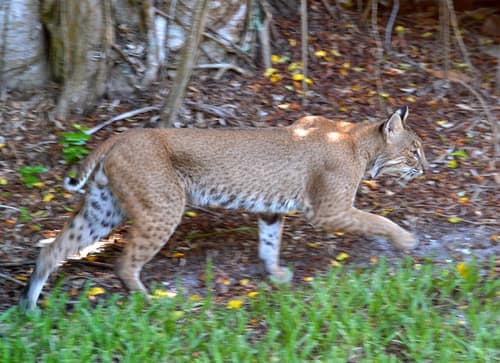
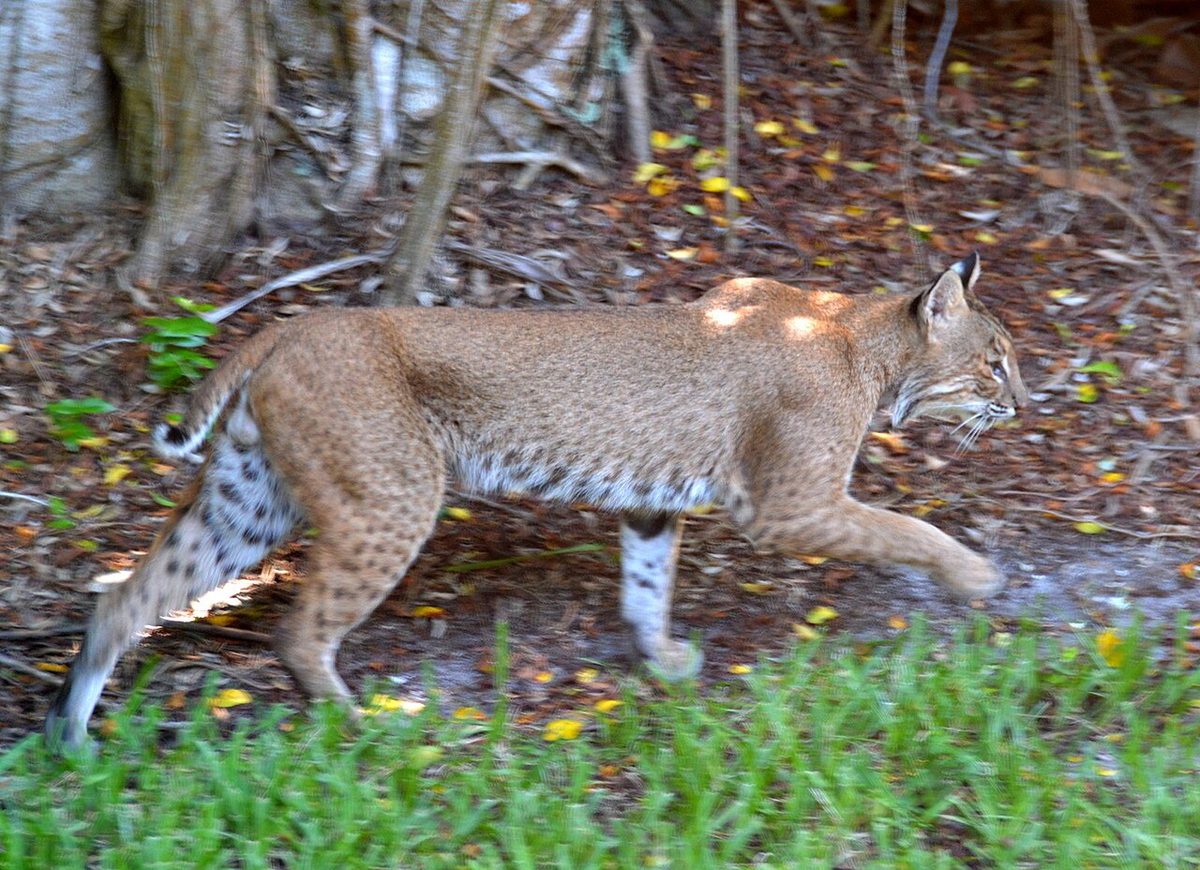
—observations
—countries
—peak records
Least ConcernConservation statusIUCN Red List categoriesLCNTVUENCREWEXLeast ConcernRed List categories, explained →
Diet & preyEastern Cottontails, White-tailed Deer, Meadow Voles
Predators
- Cougars
- Gray Wolves
- Coyotes
ThreatsHabitat fragmentation, vehicle collisions, rodenticide poisoning, and trapping
HabitatsDeciduous forests, coniferous forests, swamps, deserts, and suburban brushlands
Life span10 to 12 years in the wild
Classification
- FamilyFelidae
- SpeciesLynx rufus rufus
Range data is not available yet.
Interaction riskLow
- Low
- Moderate
- High
- Very high
- Why interaction risk is low
- Capable of delivering a severe bite or scratch if cornered; always observe from a safe distance.
- Why it is dangerous
- Equipped with sharp claws and powerful jaws, these wild felines will defend themselves aggressively if trapped, cornered, or protecting their young.
- How to recognize a risky encounter
- Look for a medium-sized cat with a short, black-tipped tail, prominent ear tufts, and spotted or barred coat patterns.
- What to do
- Never attempt to corner, feed, or handle a wild cat; back away slowly if you encounter one at close range.
Responsible observation
- Look for Tracks: Search for round, four-toed prints about two inches wide that lack visible claw marks.
- Listen at Night: Listen for eerie, high-pitched screams and growls during the late winter breeding season.
- Secure Attractants: Keep pet food indoors and secure poultry coops to prevent unwanted backyard visits.
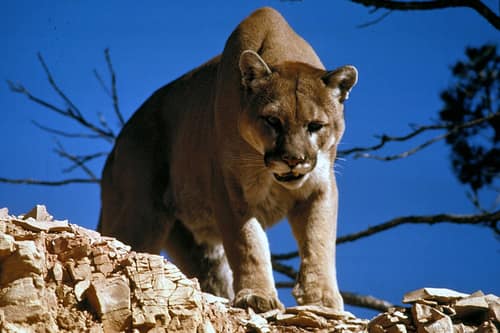
Competitor National Park Service / Public domain · cc0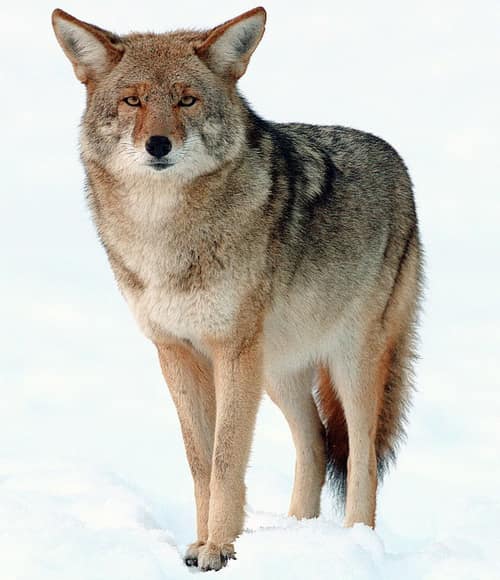
Competitor Yathin S Krishnappa / CC BY-SA 3.0 · cc-by-sa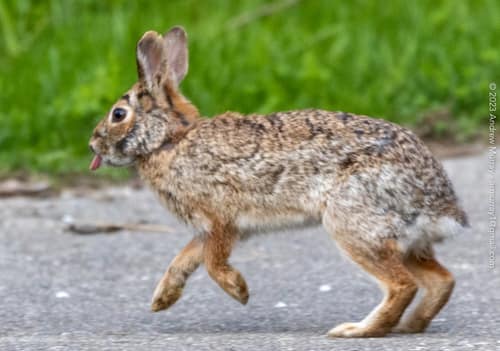
Prey (c) Andrew Murray, some rights reserved (CC BY), uploaded by Andrew Murray · cc-by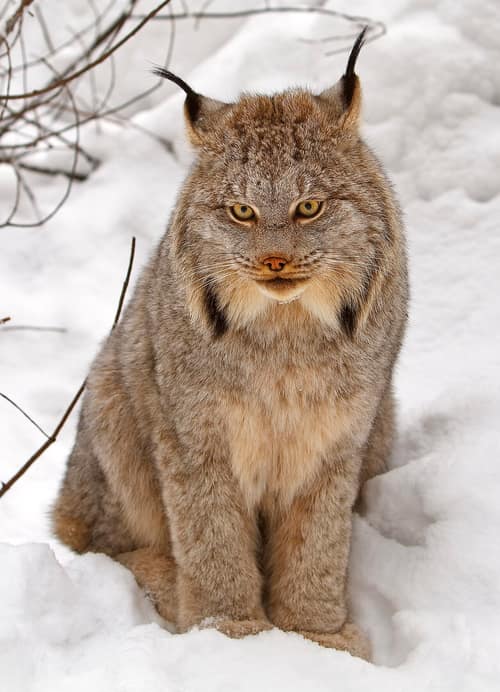
Close Relative Michael Zahra / CC BY-SA 3.0 · cc-by-sa
Help improve the field guideSomething wrong?
Checking your Fauna account…Report a name, category, or profile issue for review.