
Mammal
Sri Lankan Elephant
Elephas maximus maximusAlso known as Ceylon Elephant
Sri Lankan elephants are the largest and darkest of the Asian elephant subspecies, featuring distinct patches of pinkish depigmentation on their ears, face, trunk, and belly. These highly social giants live in matriarchal herds, modifying their landscapes by clearing paths, dispersing seeds, and digging for water during dry spells. Only a small percentage of males grow tusks, making them particularly vulnerable to localized genetic pressures.
SocialKeystone SpeciesMegafauna
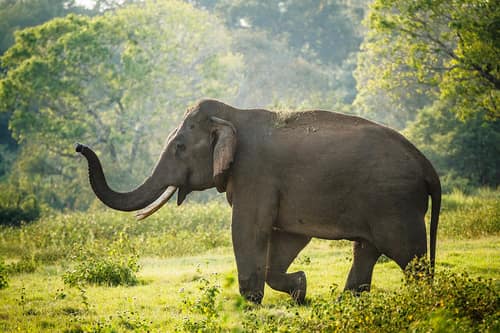
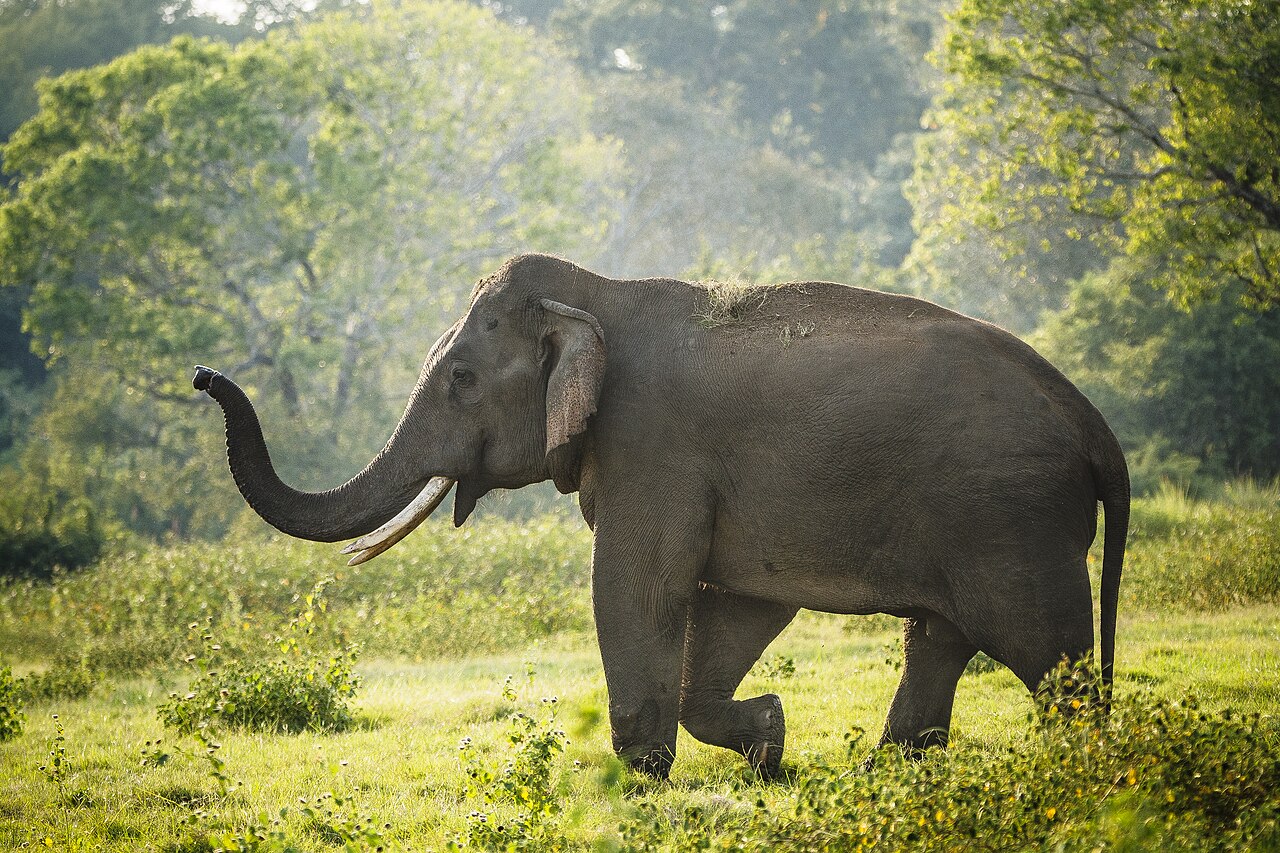
—observations
—countries
—peak records
EndangeredConservation statusIUCN Red List categoriesLCNTVUENCREWEXEndangeredRed List categories, explained →
Diet & preyGrasses, Tree Bark, Foliage
Predators
- Humans
- Sri Lankan Leopard
ThreatsHabitat loss, fragmentation, human-elephant conflict, and poaching
HabitatsDry-zone scrub forests, grasslands, marshes, and agricultural fringes
Life span60 to 70 years
Classification
- FamilyElephantidae
- SpeciesElephas maximus maximus
Range data is not available yet.
Interaction riskHigh
- Low
- Moderate
- High
- Very high
- Why interaction risk is high
- Can charge if threatened or protecting calves; maintain a safe distance of at least 50 meters.
- Why it is dangerous
- Capable of charging at speeds up to 40 kilometers per hour, easily crushing vehicles or bystanders when agitated.
- How to recognize a risky encounter
- Look for solitary bulls in musth, marked by temporal gland secretions, or protective mothers with calves.
- What to do
- Never block an elephant's path, turn off vehicle engines if they approach, and back away slowly.
- What to notice
- Recognizable by their massive size, dark grey skin, and pinkish depigmentation patches on the face.
- Support conservation
- Support local conservation initiatives and avoid supporting venues that offer elephant riding or forced performances.
Responsible observation
- Keep Distance: Stay at least 50 meters away, especially when observing wild herds or solitary bulls.
- Watch Behavior: Flared ears, shaking heads, and loud trumpeting indicate distress or aggression.
- Hire Guides: Always explore national parks with a licensed local tracker who understands elephant body language.
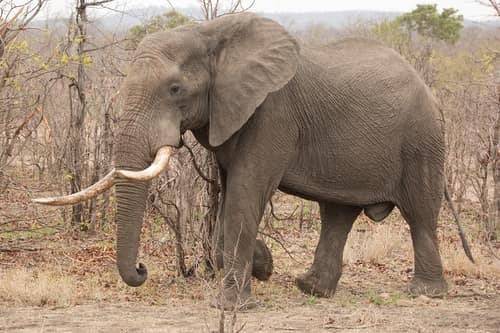
Distant Cousin (c) dhfischer, some rights reserved (CC BY), uploaded by dhfischer · cc-by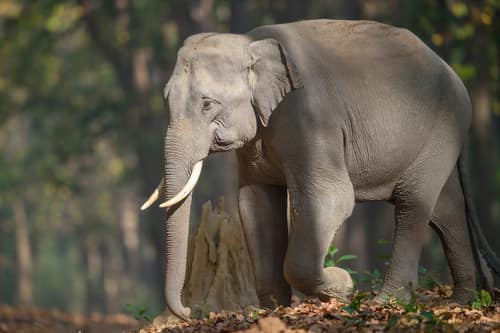
Close Relative (c) Morten Ross, some rights reserved (CC BY), uploaded by Morten Ross · cc-by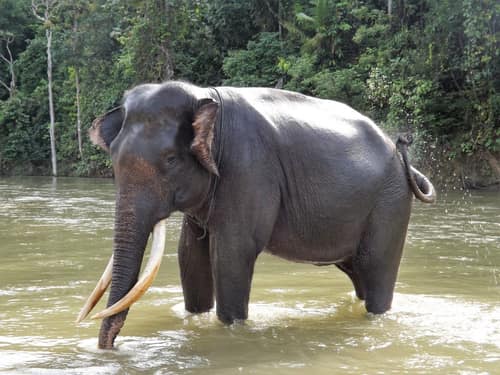
Close Relative (c) Léodras, some rights reserved (CC BY-SA) · cc-by-sa
Help improve the field guideSomething wrong?
Checking your Fauna account…Report a name, category, or profile issue for review.