
Mammal
California Bobcat
Lynx rufus californicusAlso known as Bay Lynx, Red Lynx, California Wildcat
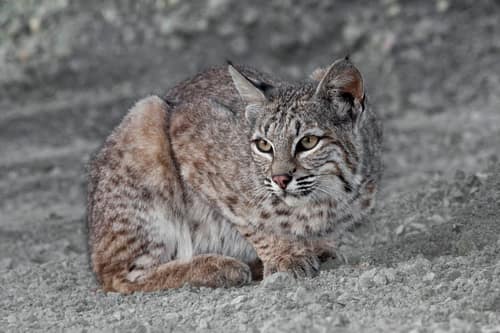
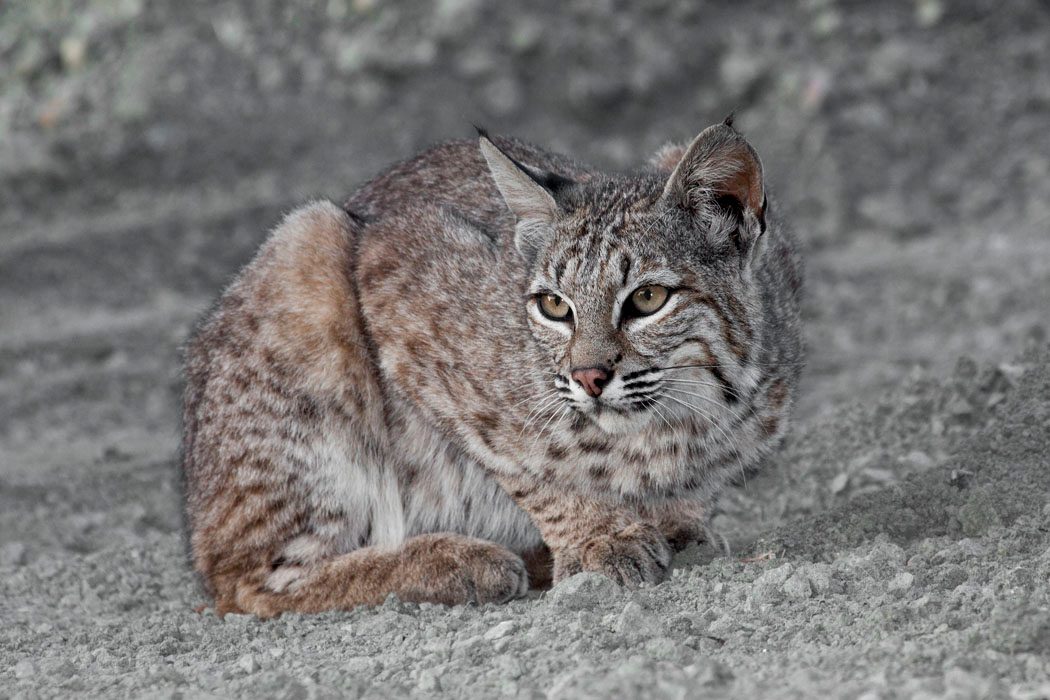
California bobcats are stealthy, medium-sized predators distinguished by their beautifully spotted coats, short bobbed tails, and tufted ears. These highly adaptable felids patrol established home ranges across chaparral, oak woodlands, and suburban edges, hunting primarily at dawn and dusk. They play a vital ecological role by keeping rodent and rabbit populations in check throughout their West Coast habitats.
CrepuscularCarnivoreSolitary
—observations
—countries
—peak records
Least ConcernConservation statusIUCN Red List categoriesLCNTVUENCREWEXLeast ConcernRed List categories, explained →
Diet & preyDesert Cottontail, California Ground Squirrel, Brush Rabbit
Predators
- Mountain Lion
- Coyote
- Golden Eagle
ThreatsHabitat fragmentation, rodenticide poisoning, vehicle collisions, and urban encroachment
HabitatsChaparral, oak woodlands, deserts, forests, and suburban edges
Life span7 to 12 years in the wild
Classification
- FamilyFelidae
- SpeciesLynx rufus californicus
Range data is not available yet.
Interaction riskLow
- Low
- Moderate
- High
- Very high
- Why interaction risk is low
- Capable of a defensive bite or scratch if cornered; keep pets indoors and observe from a distance.
- Why it is dangerous
- Can deliver a severe defensive bite or scratch if cornered, and may occasionally target small domestic pets.
- How to recognize a risky encounter
- Look for a cat about twice the size of a housecat, with spotted legs, tufted ears, and a short tail.
- What to do
- Never corner or attempt to feed a bobcat; keep small dogs on a leash and cats indoors.
Responsible observation
- Secure attractants: Keep pet food indoors and secure trash to avoid attracting rodents that draw bobcats.
- Give them space: If you encounter one, stand tall, make noise, and allow the cat a clear escape route.
- Watch the ears: Look for the white spots on the back of their ears, which help kittens follow their mothers.
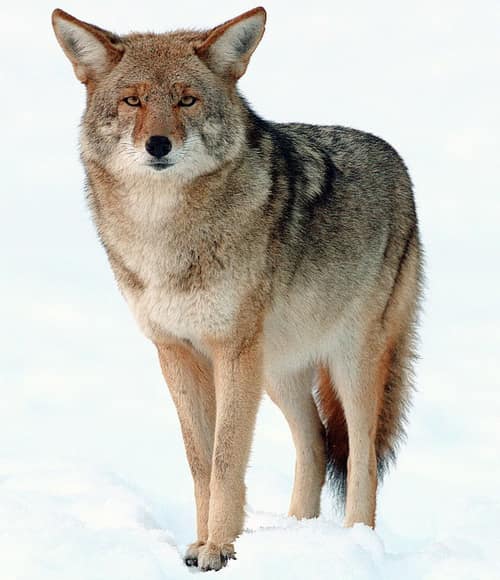
Competitor Yathin S Krishnappa / CC BY-SA 3.0 · cc-by-sa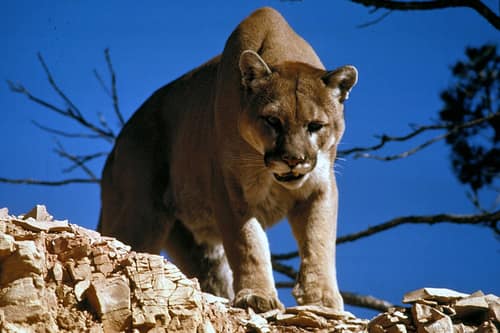
Predator National Park Service / Public domain · cc0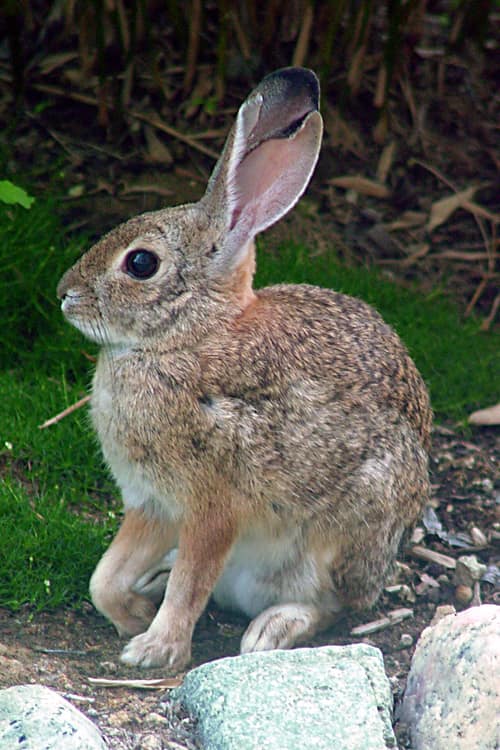
Prey Holly Cheng / CC BY-SA 3.0 · cc-by-sa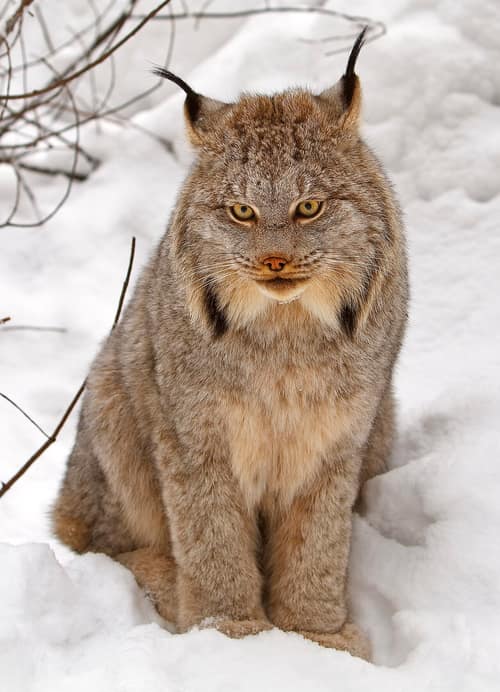
Close Relative Michael Zahra / CC BY-SA 3.0 · cc-by-sa
Help improve the field guideSomething wrong?
Checking your Fauna account…Report a name, category, or profile issue for review.