
Mammal
Pacific Bobcat
Lynx rufus fasciatusAlso known as Bay Lynx, Red Lynx, Wildcat
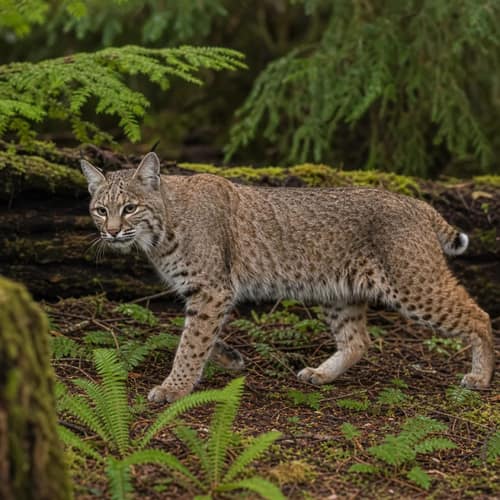
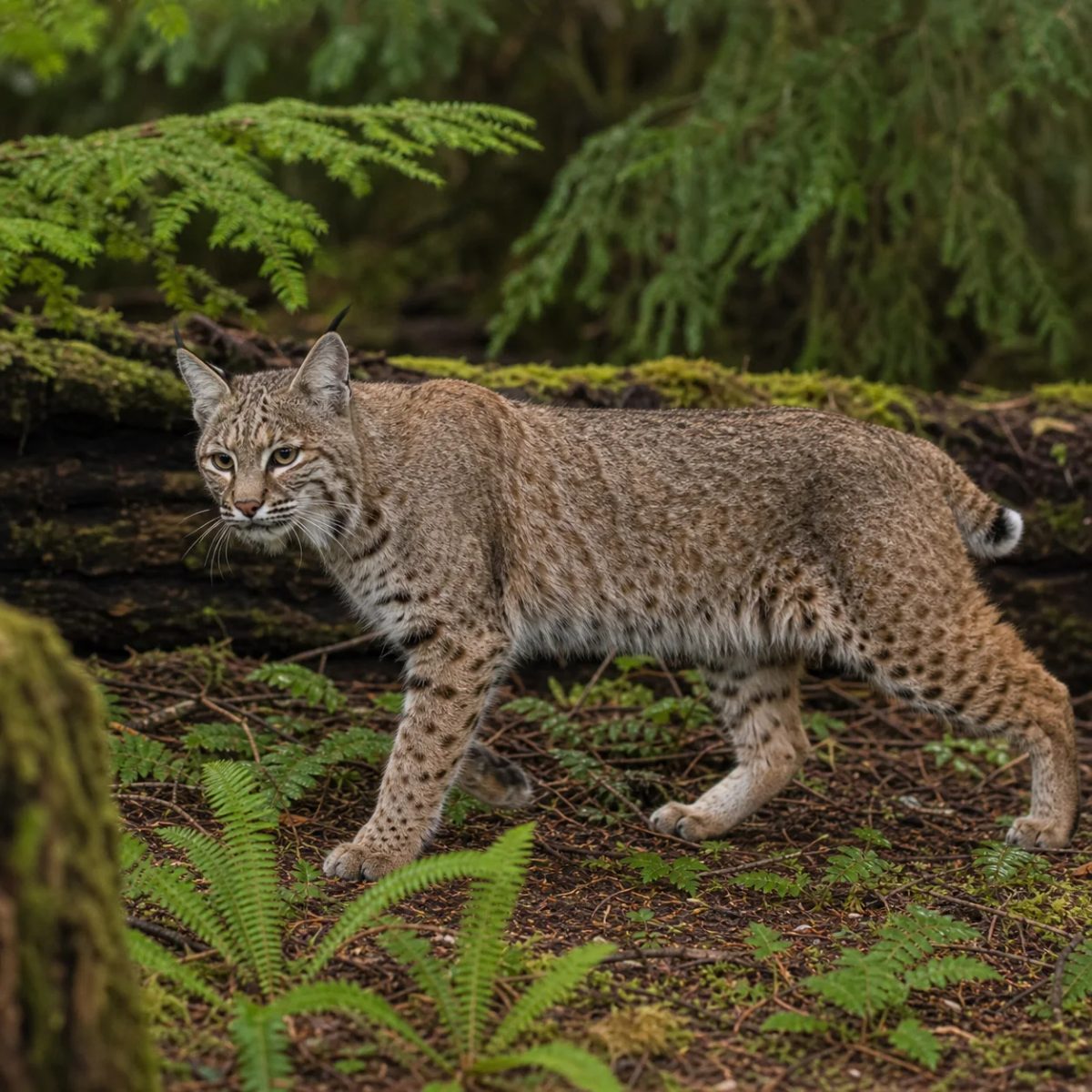
Pacific bobcats slip silently through the dense, moss-draped forests of the Pacific Northwest, distinguished by their rich, reddish-brown coats and heavy dark spotting. These solitary predators are masters of stealth, using their keen vision and hearing to stalk prey along game trails and forest edges. They maintain large home territories, marking their boundaries with scent and claw scrapes on tree trunks.
CrepuscularSolitaryCarnivore
—observations
—countries
—peak records
Least ConcernConservation statusIUCN Red List categoriesLCNTVUENCREWEXLeast ConcernRed List categories, explained →
Diet & preySnowshoe Hares, Brush Rabbits, Deer Mice
Predators
- Cougars
- Coyotes
- Gray Wolves
ThreatsHabitat fragmentation, rodenticide poisoning, and vehicle collisions
HabitatsTemperate rainforests, coastal woodlands, brushlands, and mountain forests
Life span10 to 12 years in the wild
Classification
- FamilyFelidae
- SpeciesLynx rufus fasciatus
Range data is not available yet.
Interaction riskLow
- Low
- Moderate
- High
- Very high
- Why interaction risk is low
- Avoid cornering or approaching; they can deliver a powerful defensive bite or scratch if threatened.
- Why it is dangerous
- Equipped with sharp claws and powerful jaws, they will defend themselves aggressively if cornered, trapped, or protecting their young.
- How to recognize a risky encounter
- Look for a medium-sized cat with tufted ears, a short bobbed tail, and a spotted reddish-brown coat.
- What to do
- Never attempt to corner, feed, or handle a wild cat; back away slowly and give it an escape route.
Responsible observation
- Look for Tracks: Search for round, four-toed paw prints without claw marks in soft mud or snow.
- Keep Distance: Give these wild cats plenty of space to prevent triggering a defensive or fearful reaction.
- Secure Attractants: Keep pet food indoors and secure small livestock to avoid attracting them to residential areas.
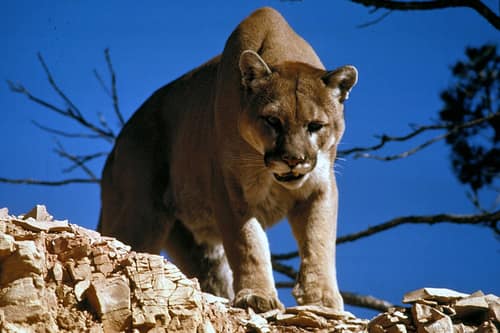
Competitor National Park Service / Public domain · cc0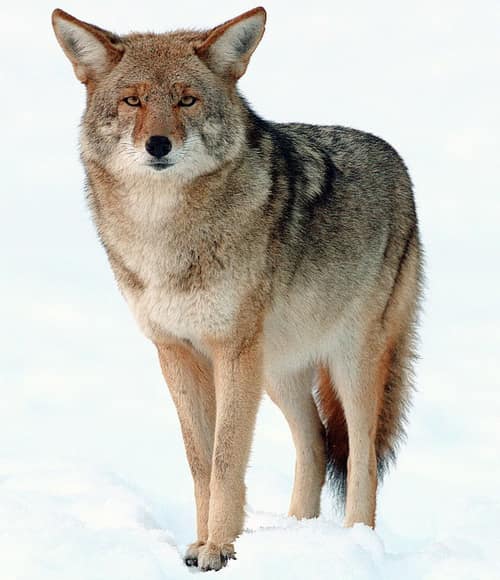
Competitor Yathin S Krishnappa / CC BY-SA 3.0 · cc-by-sa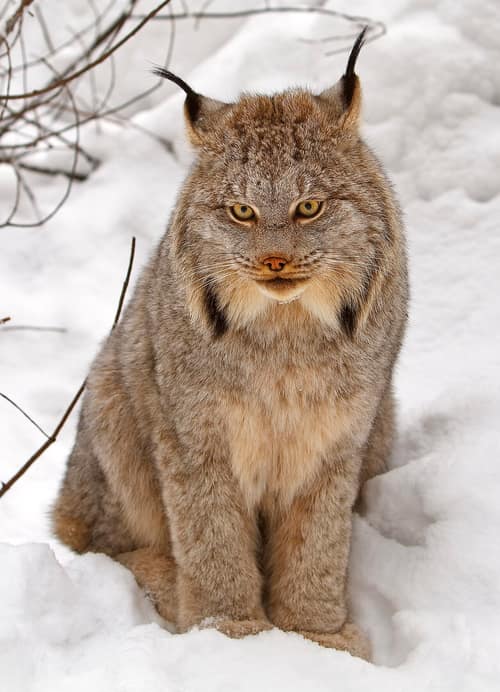
Close Relative Michael Zahra / CC BY-SA 3.0 · cc-by-sa
Help improve the field guideSomething wrong?
Checking your Fauna account…Report a name, category, or profile issue for review.