
Mammal
Mexican Coyote
Canis latrans cagottisAlso known as Cagotis Coyote, Mexican Plateau Coyote
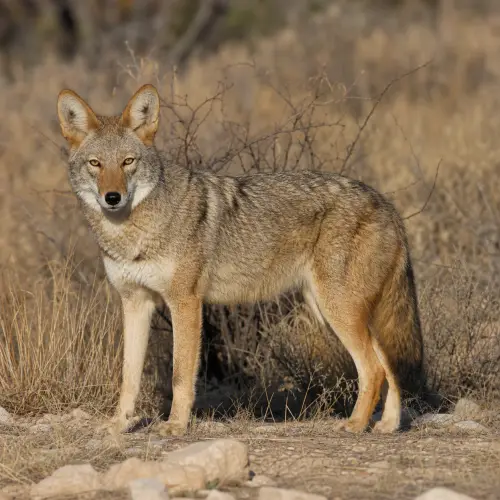
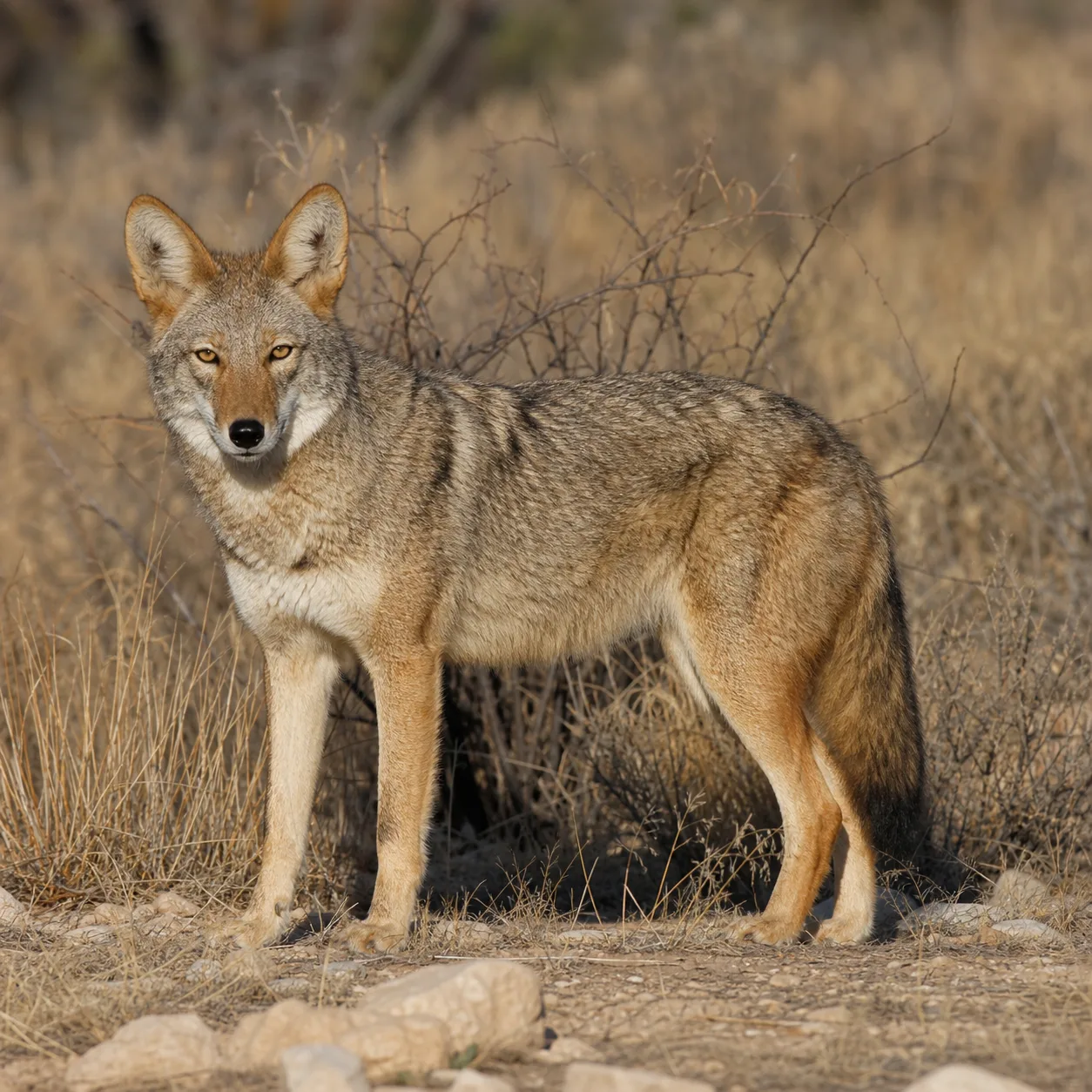
Mexican coyotes are slender, highly adaptable canids that roam the diverse landscapes of Mexico, from arid scrublands to high-altitude pine-oak forests. They are generally smaller and more reddish-grey than their northern counterparts, possessing large ears that help dissipate heat in warmer climates. These clever predators communicate through a complex repertoire of high-pitched yips, howls, and barks that echo across the valleys at dusk.
AdaptableCrepuscularVocal
—observations
—countries
—peak records
Least ConcernConservation statusIUCN Red List categoriesLCNTVUENCREWEXLeast ConcernRed List categories, explained →
Diet & preyPocket Gophers, Cottontail Rabbits, Prickly Pear Fruit
Predators
- Cougar
- Jaguar
- Golden Eagle
ThreatsHabitat fragmentation, human persecution, and hybridization with domestic dogs
HabitatsArid scrublands, temperate pine-oak forests, grasslands, and agricultural areas
Life span10 to 14 years in the wild
Classification
- FamilyCanidae
- SpeciesCanis latrans cagottis
Range data is not available yet.
Interaction riskModerate
- Low
- Moderate
- High
- Very high
- Why interaction risk is moderate
- Capable of a defensive bite and carrying rabies; keep a respectful distance and secure food sources.
- Why it is dangerous
- Can carry rabies and other zoonotic pathogens, and may bite defensively if cornered, threatened, or habituated to human food.
- How to recognize a risky encounter
- Look for a slender, dog-like silhouette with a bushy, black-tipped tail held low, large pointed ears, and a reddish-grey coat.
- What to do
- Never feed or attempt to pet them; back away slowly if encountered, and keep pets on a short leash.
Responsible observation
- Secure attractants: Keep pet food indoors and secure garbage bins to prevent habituation.
- Keep distance: Never approach a coyote, especially if it appears bold or active during the day.
- Haze if approached: Make loud noises, wave your arms, or throw small objects toward them to maintain their natural fear of humans.
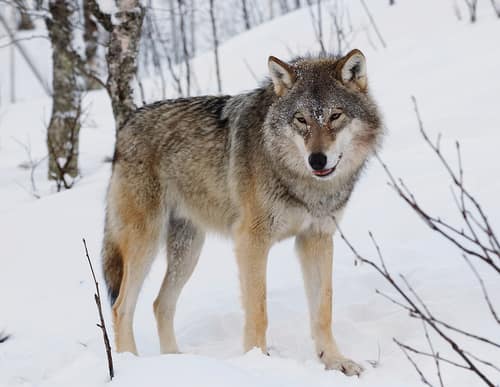
Competitor User:Mas3cf / CC BY-SA 4.0 · cc-by-sa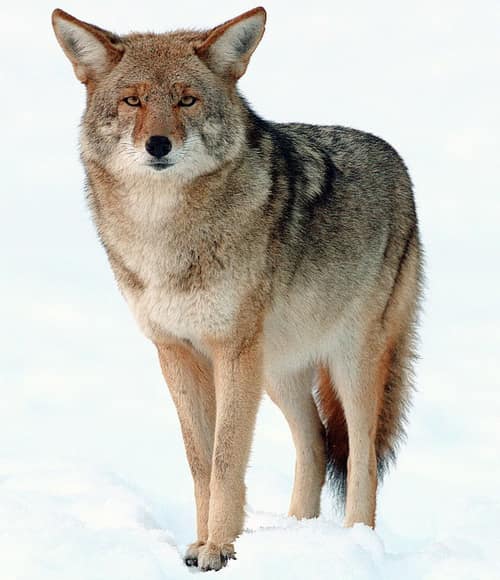
Parent Species Yathin S Krishnappa / CC BY-SA 3.0 · cc-by-sa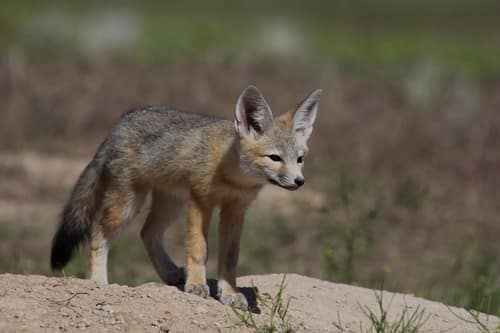
Co-occurring Canid "Kit Fox Pup near Delta, Utah." by BLMUtah is marked with Public Domain Mark 1.0. To view the terms, visit https://creativecommons.org/publicdomain/mark/1.0/. · cc0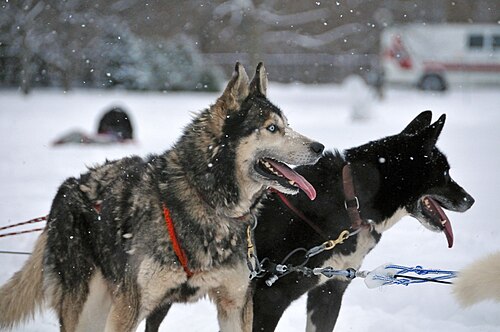
Close Relative M. Rehemtulla / CC BY 2.0 · cc-by
Help improve the field guideSomething wrong?
Checking your Fauna account…Report a name, category, or profile issue for review.