
Mammal
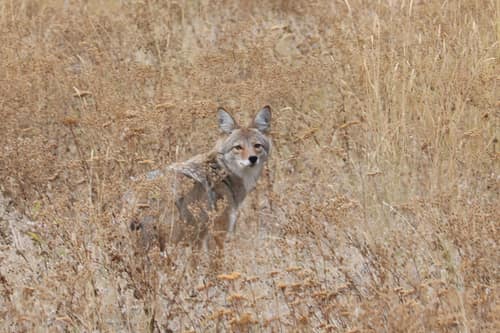
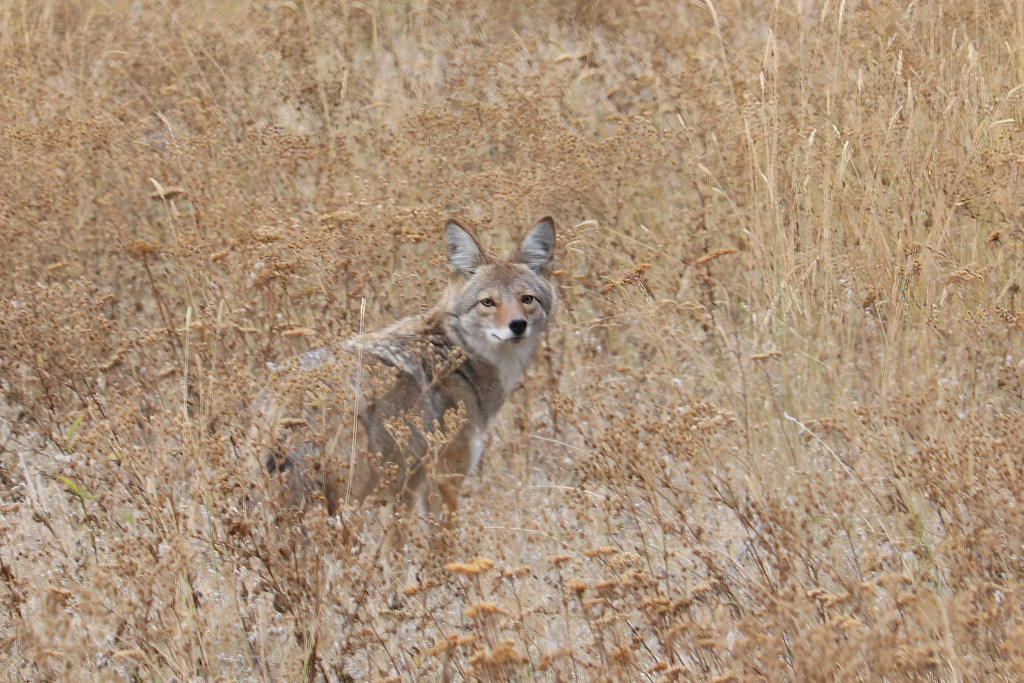
Mountain Coyote
Canis latrans lestesAlso known as Rocky Mountain Coyote, Sierra Coyote, Brush Wolf, Prairie Wolf
Mountain coyotes are larger and possess thicker, darker, and more reddish-tinted winter coats than their lowland desert counterparts to withstand harsh alpine winters. These highly vocal canids communicate across rugged canyons with a complex repertoire of high-pitched yips, barks, and long, mournful howls. They play a vital ecological role by regulating rodent and lagomorph populations across high-elevation forests and meadows.
VocalAdaptableCarnivore
—observations
—countries
—peak records
Least ConcernConservation statusIUCN Red List categoriesLCNTVUENCREWEXLeast ConcernRed List categories, explained →
Diet & preySnowshoe Hare, Montane Vole, Mule Deer Fawns
Predators
- Cougar
- Gray Wolf
- Grizzly Bear
ThreatsHabitat fragmentation, rodenticide poisoning, and human conflict
HabitatsMontane forests, subalpine meadows, shrublands, and alpine tundra
Life span6 to 8 years in the wild
Classification
- FamilyCanidae
- SpeciesCanis latrans lestes
Range data is not available yet.
Interaction riskModerate
- Low
- Moderate
- High
- Very high
- Why interaction risk is moderate
- Can deliver a defensive bite if cornered or habituated; maintain a safe distance and never feed them.
- Why it is dangerous
- Capable of inflicting deep puncture wounds when cornered or defending a den, and can carry rabies or sarcoptic mange.
- How to recognize a risky encounter
- Look for a medium-sized canine with a bushy, black-tipped tail held low, pointed ears, and a thick, grizzled grey-brown coat.
- What to do
- Never approach or feed coyotes; stand tall, make loud noises, and secure all food and pets to prevent habituation.
Responsible observation
- Hazing: If a coyote approaches too closely, make yourself look large, wave your arms, and shout loudly to reinforce their natural fear of humans.
- Leash Pets: Keep dogs on a short leash in coyote territory to prevent defensive territorial conflicts, especially during spring denning season.
- Secure Attractants: Store food, trash, and pet food in wildlife-proof containers to avoid drawing coyotes into campsites or residential areas.
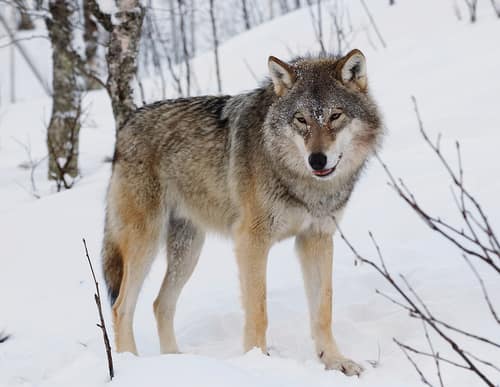
Competitor User:Mas3cf / CC BY-SA 4.0 · cc-by-sa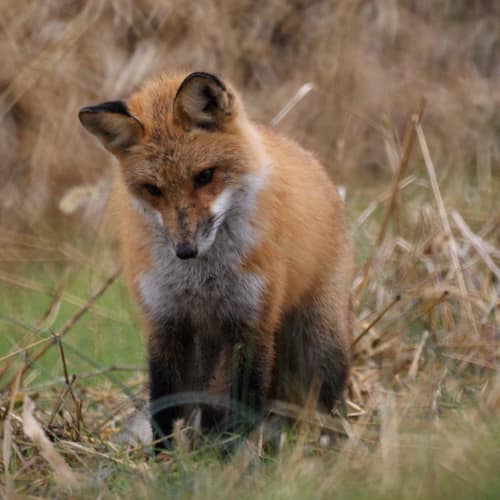
Competitor "Red Fox" by Mike's Birds is licensed under CC BY-SA 2.0. To view a copy of this license, visit https://creativecommons.org/licenses/by-sa/2.0/. · cc-by-sa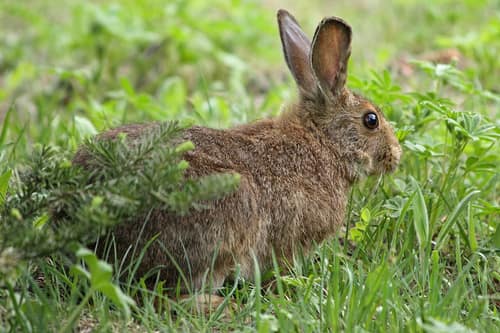
Prey Lepus_americanus_5459.JPG: Walter Siegmund (talk) derivative work: Wsiegmund / CC BY-SA 3.0 · cc-by-sa
Close Relative M. Rehemtulla / CC BY 2.0 · cc-by
Help improve the field guideSomething wrong?
Checking your Fauna account…Report a name, category, or profile issue for review.