
Mammal
Great Plains Wolf
Canis lupus nubilusAlso known as Buffalo Wolf, Lobo Wolf, Loafer
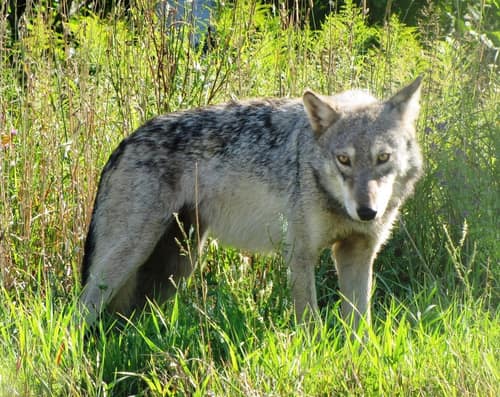
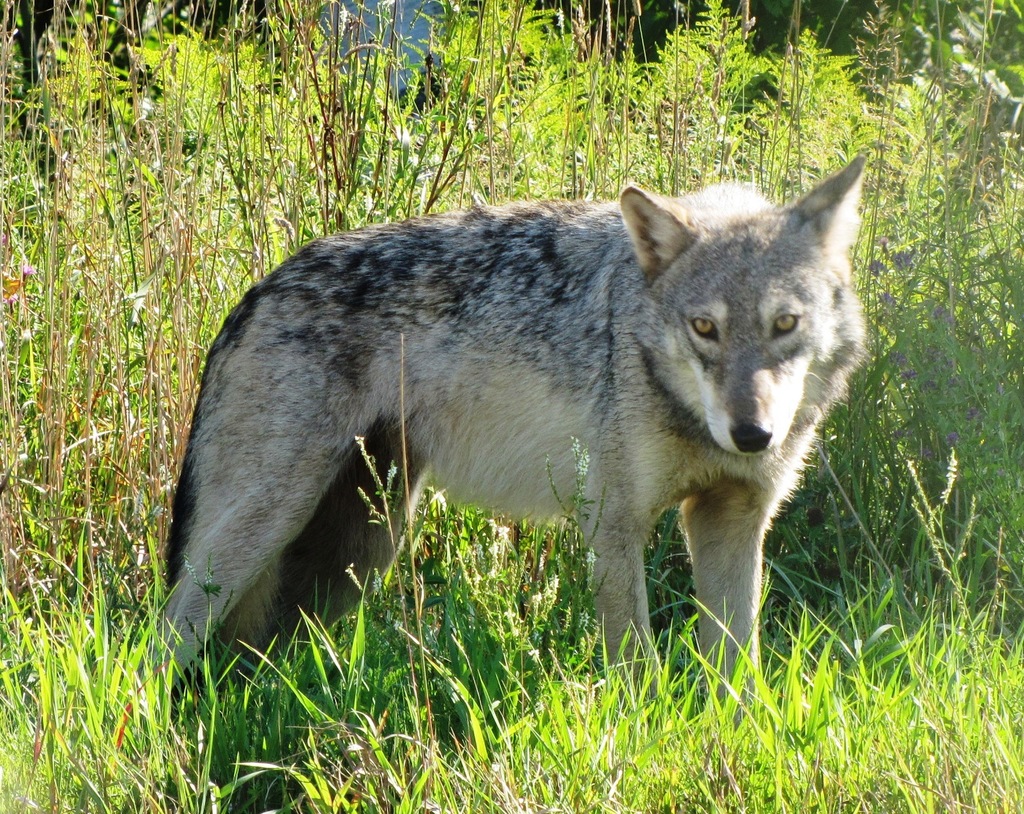
Great Plains wolves are formidable pack-hunting predators historically celebrated for their ability to bring down massive bison across the open prairies. These highly social canids communicate through deep, resonant howls and maintain complex family structures that govern territory defense and pup-rearing. Though once pushed to the brink of extinction, their resilient genetic legacy persists in the forests of the Great Lakes region and dedicated conservation sanctuaries.
Pack HunterApex PredatorResilient
—observations
—countries
—peak records
Least ConcernConservation statusIUCN Red List categoriesLCNTVUENCREWEXLeast ConcernRed List categories, explained →
Diet & preyAmerican Bison, Elk, White-tailed Deer
Predators
- Humans
- Other Wolf Packs
ThreatsHabitat fragmentation, historical overhunting, genetic swamping, and human-wildlife conflict.
HabitatsGrasslands, open prairies, shrublands, and temperate forests.
Life span6 to 8 years in the wild, up to 15 years in captivity.
Classification
- FamilyCanidae
- SpeciesCanis lupus nubilus
Range data is not available yet.
Interaction riskHigh
- Low
- Moderate
- High
- Very high
- Why interaction risk is high
- A large apex predator capable of defensive attacks; observe from a safe distance and never approach.
- Why it is dangerous
- Equipped with powerful jaws and a strong pack instinct, these large carnivores can defend themselves or their pups aggressively if cornered.
- How to recognize a risky encounter
- Look for a large, long-legged canid with a broad snout, rounded ears, and a coat ranging from light grey to black.
- What to do
- Never approach, feed, or corner a wolf; back away slowly while facing the animal if you encounter one.
- What to notice
- Identified by their distinct social howling and large, hand-sized tracks in mud or snow.
- Support conservation
- Report sightings to local wildlife authorities and avoid disturbing active denning sites during spring.
Responsible observation
- Keep Distance: Maintain a distance of at least 100 yards if encountered in the wild.
- Secure Attractants: Keep food and garbage secured to prevent habituation near campsites.
- Leash Pets: Keep domestic dogs on a leash to avoid territorial conflicts with wild packs.
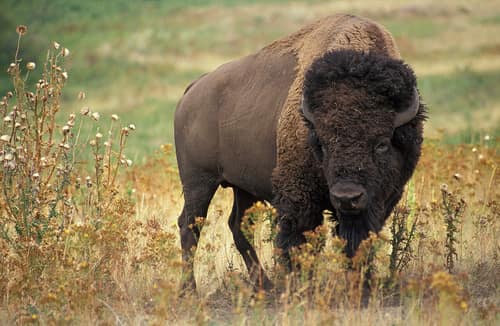
Prey Jack Dykinga / Public domain · cc0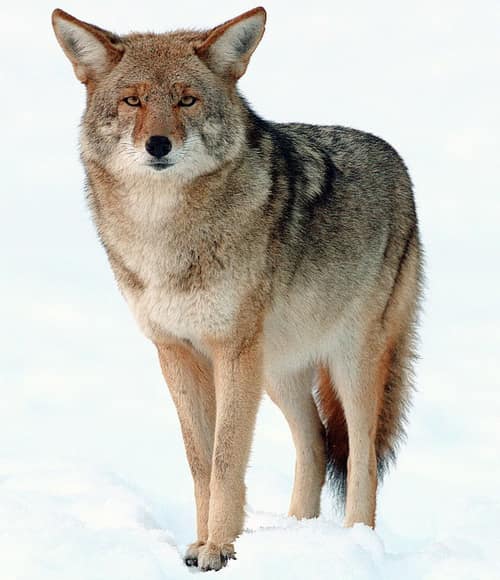
Competitor Yathin S Krishnappa / CC BY-SA 3.0 · cc-by-sa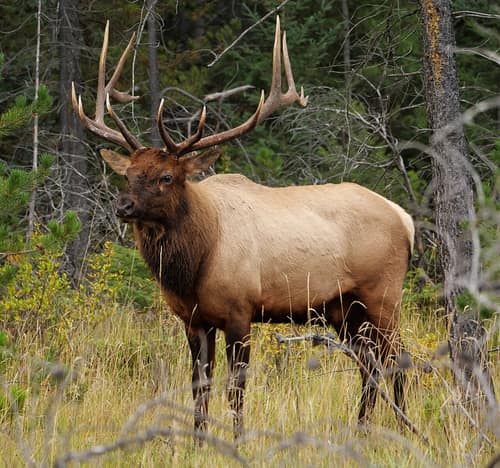
Prey Membeth / CC0 · cc0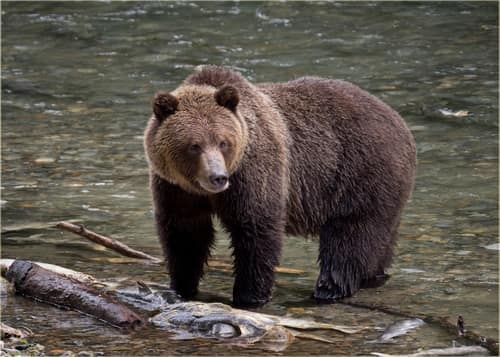
Competitor (c) marneejill, some rights reserved (CC BY-SA) · cc-by-sa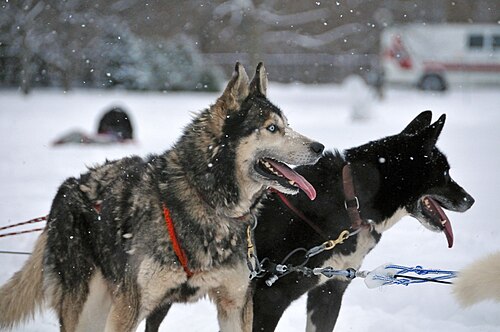
Close Relative M. Rehemtulla / CC BY 2.0 · cc-by
Help improve the field guideSomething wrong?
Checking your Fauna account…Report a name, category, or profile issue for review.