
Mammal
Arctic Wolf
Canis lupus arctosAlso known as White Wolf, Polar Wolf, Arctic Grey Wolf
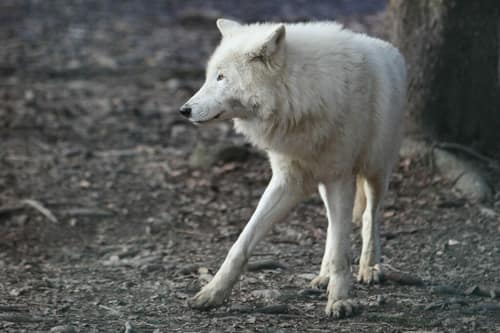
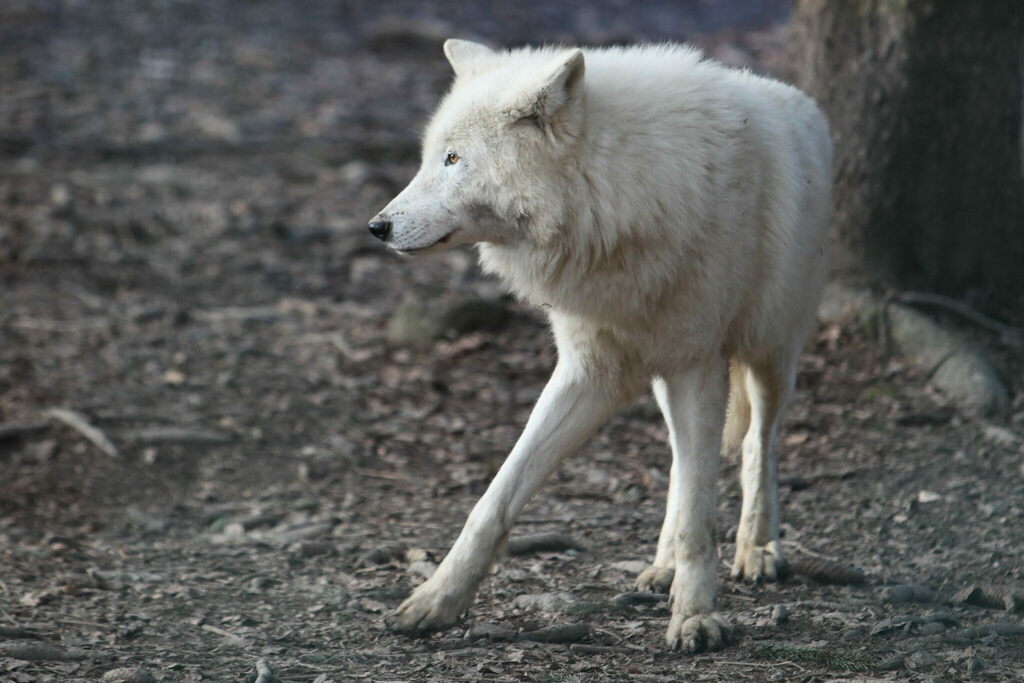
Arctic wolves are highly specialized predators that spend their entire lives in the extreme cold of the High Arctic tundra, north of the treeline. Their thick, double-layered white coats provide both insulation in sub-zero temperatures and camouflage against the perpetual snow. To survive the scarce resources of the polar north, packs maintain massive territories and hunt in highly coordinated groups to bring down large prey.
CarnivorePack HunterArctic
—observations
—countries
—peak records
Least ConcernConservation statusIUCN Red List categoriesLCNTVUENCREWEXLeast ConcernRed List categories, explained →
Diet & preyMuskox, Arctic Hare, Peary Caribou
Predators
- Polar Bear
- Other Wolf Packs
ThreatsClimate change, industrial development, and decline of prey populations
HabitatsHigh Arctic tundra, rocky plains, and ice fields
Life span7 to 10 years in the wild
Classification
- FamilyCanidae
- SpeciesCanis lupus arctos
Range data is not available yet.
Interaction riskHigh
- Low
- Moderate
- High
- Very high
- Why interaction risk is high
- Capable of defensive attacks if cornered or protecting pups; maintain a safe distance.
- Why it is dangerous
- As large apex predators, they possess immense jaw strength and can defend themselves or their pack aggressively if threatened.
- How to recognize a risky encounter
- Distinguished by their pure white or off-white coats, rounded ears, and shorter muzzles than southern wolves.
- What to do
- Never run from a wolf; stand your group together, make loud noises, and slowly back away.
Responsible observation
- Keep Distance: Never approach or attempt to feed wild wolves to prevent habituation.
- Secure Food: Store all food and waste in bear-resistant containers when camping in their range.
- Observe Quietly: Use binoculars or a spotting scope to watch pack dynamics without disrupting them.
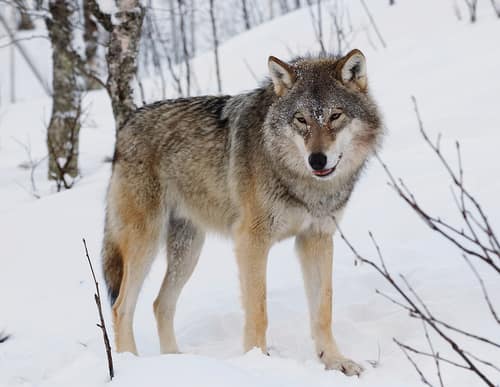
Parent Species User:Mas3cf / CC BY-SA 4.0 · cc-by-sa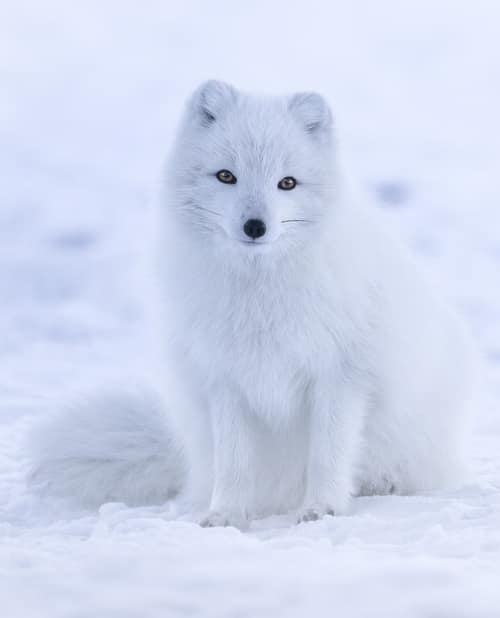
Symbiont Jonathen Pie https://unsplash.com/@r3dmax / CC0 · cc0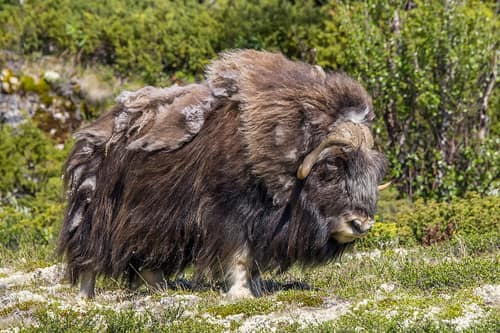
Primary Prey Charles J. Sharp / CC BY-SA 4.0 · cc-by-sa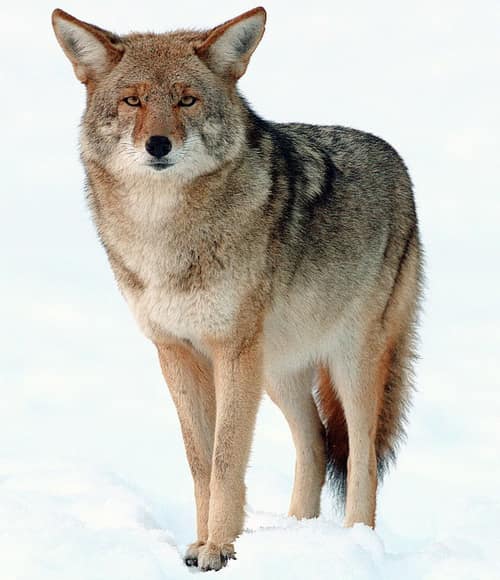
Close Relative Yathin S Krishnappa / CC BY-SA 3.0 · cc-by-sa
Help improve the field guideSomething wrong?
Checking your Fauna account…Report a name, category, or profile issue for review.