
Mammal
Mexican Wolf
Canis lupus baileyiAlso known as Lobo, Lobo Mexicano, Mexican Gray Wolf
Mexican wolves are the smallest and most genetically distinct subspecies of gray wolf in North America, sporting a richly textured coat of grizzled gray, black, and buff. They live in tightly knit family packs led by an alpha pair, communicating through complex vocalizations, scent marking, and expressive body language. Once nearly extinct in the wild, intensive reintroduction programs are slowly helping these apex predators reclaim their historic mountain and desert habitats.
Pack HunterNocturnal
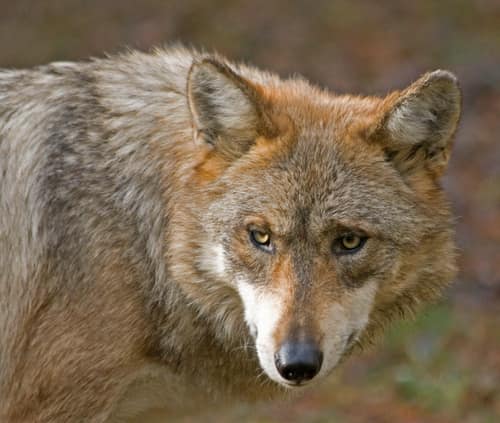
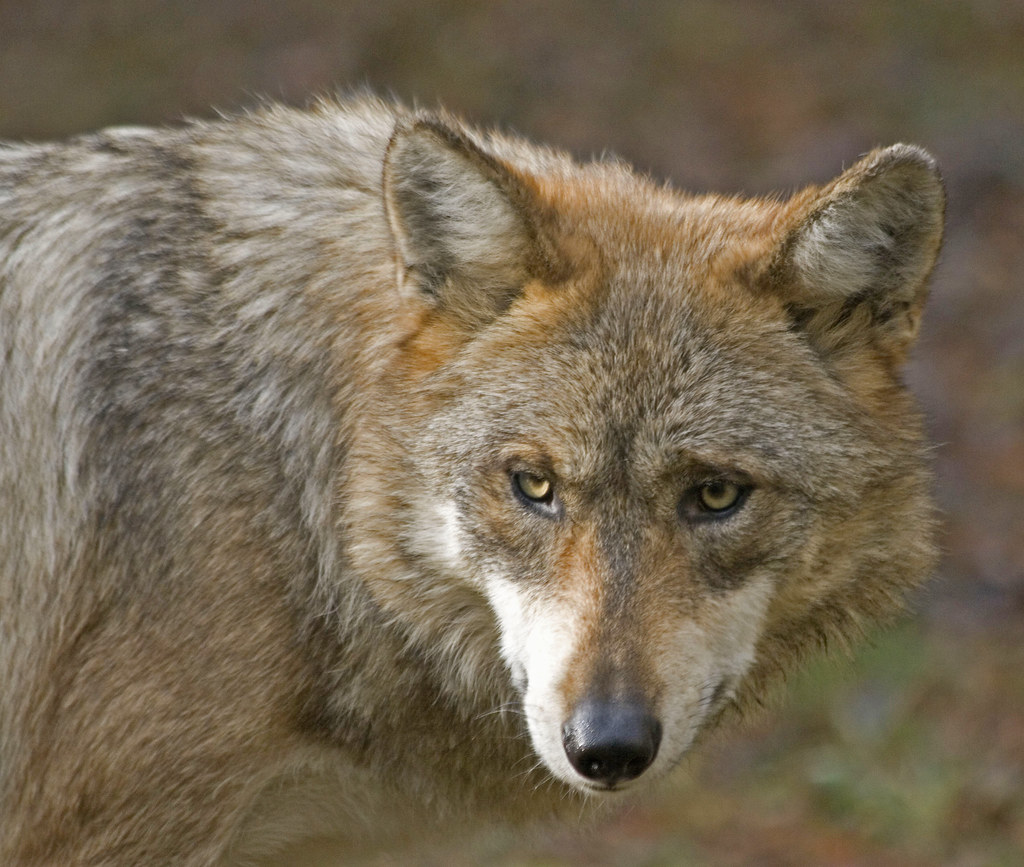
—observations
—countries
—peak records
EndangeredConservation statusIUCN Red List categoriesLCNTVUENCREWEXEndangeredRed List categories, explained →
Diet & preyElk, White-tailed Deer, Mule Deer
Predators
- Cougar
- Golden Eagle
- Humans
ThreatsIllegal shooting, vehicle collisions, genetic inbreeding from a small founder population, and habitat fragmentation.
HabitatsMontane forests, woodlands, and arid shrublands of the southwestern United States and northern Mexico.
Life span6 to 8 years in the wild, up to 15 years in captivity.
Classification
- FamilyCanidae
- SpeciesCanis lupus baileyi
Range data is not available yet.
Interaction riskHigh
- Low
- Moderate
- High
- Very high
- Why interaction risk is high
- A powerful apex predator; maintain a respectful distance and never approach or feed them.
- Why it is dangerous
- As large carnivores, they possess powerful jaws and sharp teeth capable of delivering severe defensive bites if cornered or habituated to humans.
- How to recognize a risky encounter
- Look for a slender, dog-like build with a grizzled coat of black, white, and tan, and large, rounded ears.
- What to do
- Never approach, feed, or attempt to pet a wolf; back away slowly if one approaches you, making noise to deter it.
- What to notice
- Often wear radio collars used by biologists to track pack movements and survival rates.
- Support conservation
- Avoid nesting den sites during spring pup-rearing season and respect all seasonal trail closures.
Responsible observation
- Keep Distance: Use binoculars or a spotting scope to observe wolves without disrupting their natural behavior.
- Secure Attractants: Keep food, trash, and pet food locked away when camping in wolf territory to prevent habituation.
- Report Sightings: Document and report any collared wolf sightings to local wildlife agencies to assist recovery tracking.
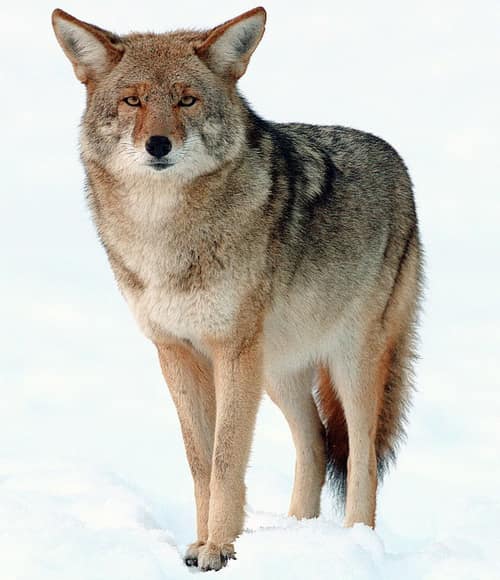
Competitor Yathin S Krishnappa / CC BY-SA 3.0 · cc-by-sa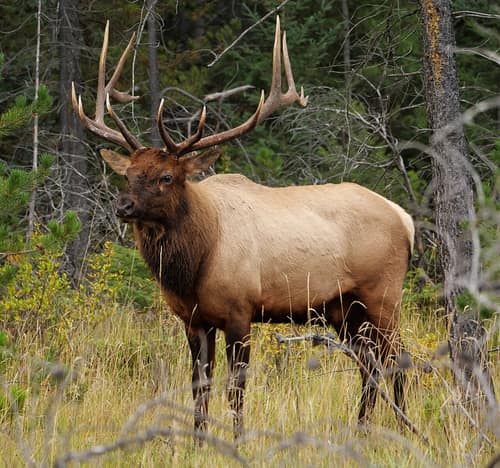
Primary Prey Membeth / CC0 · cc0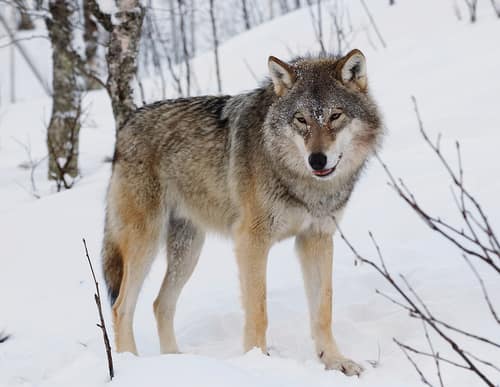
Parent Species User:Mas3cf / CC BY-SA 4.0 · cc-by-sa
Competitor National Park Service / Public domain · cc0
Help improve the field guideSomething wrong?
Checking your Fauna account…Report a name, category, or profile issue for review.