
Insect
Pepsis grossa
Pepsis grossaAlso known as Tarantula Hawk, Tarantula Hawk Wasp, Tarantula Wasp
Tarantula hawk wasps are famous for their metallic blue-black bodies and contrasting bright orange or dark wings. Females hunt large ground spiders, paralyzing them with a swift sting before dragging them into burrows to feed a single developing larva. Adults spend their days feeding peacefully on flower nectar and fermented fruit juices.
ParasitoidDesert InsectWarning Colors
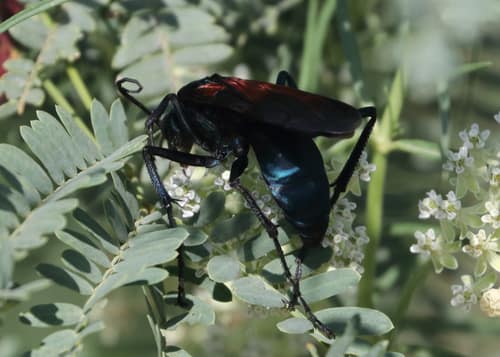
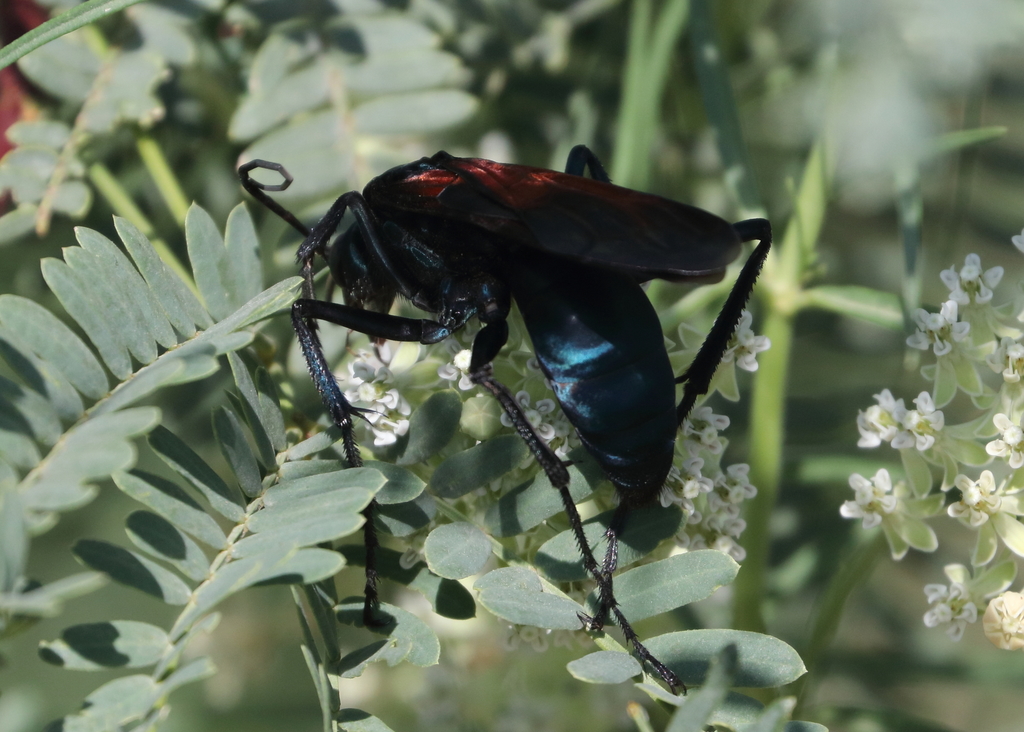
—observations
—countries
—peak records
Not EvaluatedConservation statusIUCN Red List categoriesLCNTVUENCREWEXNot Evaluated — not placed on the risk ladderRed List categories, explained →
Diet & preyDesert Tarantula, Flower Nectar, Tree Sap
Predators
- Greater Roadrunner
- Western Kingbird
- Bullfrog
ThreatsHabitat disruption, pesticide application, and human persecution
HabitatsDeserts, arid grasslands, shrublands, and canyon bottoms
Life span1–2 years
Classification
- FamilyPompilidae
- SpeciesPepsis grossa
Range data is not available yet.
Interaction riskVery high
- Low
- Moderate
- High
- Very high
- Why interaction risk is very high
- Females deliver an intensely painful sting if restrained; observe from a safe distance.
- Why it is dangerous
- Injects venom with a powerful sting that ranks among the most excruciatingly painful insect stings known.
- How to recognize a risky encounter
- Recognizable by its giant size, velvety blue-black body, and vivid orange or black wings.
- What to do
- Give the wasp room to move and never grab, step on, or corner an adult female.
Responsible observation
- Give Space: Maintain a distance of a few meters when observing foraging females on blossoms.
- Avoid Swatting: Do not make sudden movements or attempt to swat at wasps flying near you.
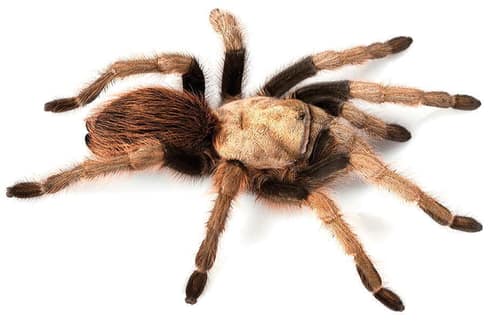
Prey (c) Chris A. Hamilton, Brent E. Hendrixson, Jason E. Bond, some rights reserved (CC BY) · cc-by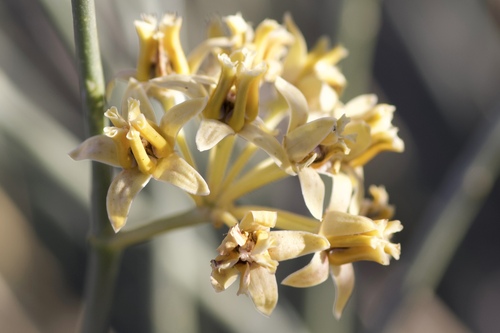
Pollinator Host no rights reserved · cc0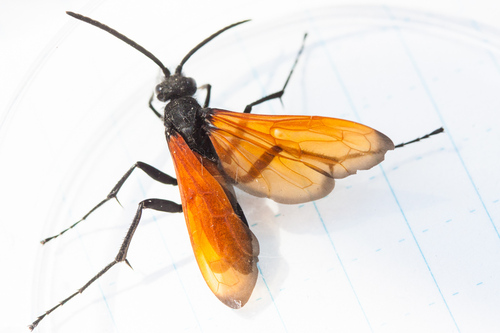
Close Relative (c) Ken-ichi Ueda, some rights reserved (CC BY), uploaded by Ken-ichi Ueda · cc-by
Help improve the field guideSomething wrong?
Checking your Fauna account…Report a name, category, or profile issue for review.