
Bird
Yellow-fronted Canary
Crithagra mozambicaAlso known as Green Singing Finch, Mozambique Serin, Yellow-eyed Canary
Yellow-fronted canaries gather in small vocal flocks across sub-Saharan savannas and cultivated lands, foraging active on ground seeds and small invertebrates. Males deliver rich, liquid song sequences from elevated perches throughout the breeding season to mark territory and attract mates. Widespread and adaptable, these finches frequent gardens and agricultural fields where grass seeds are abundant.
SongbirdGranivoreVibrant
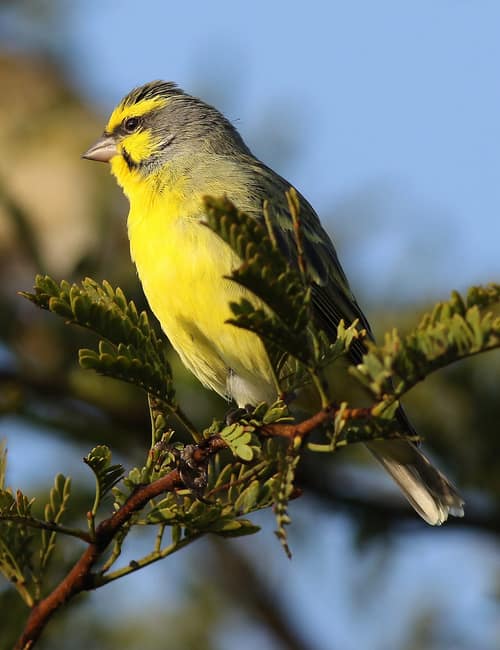
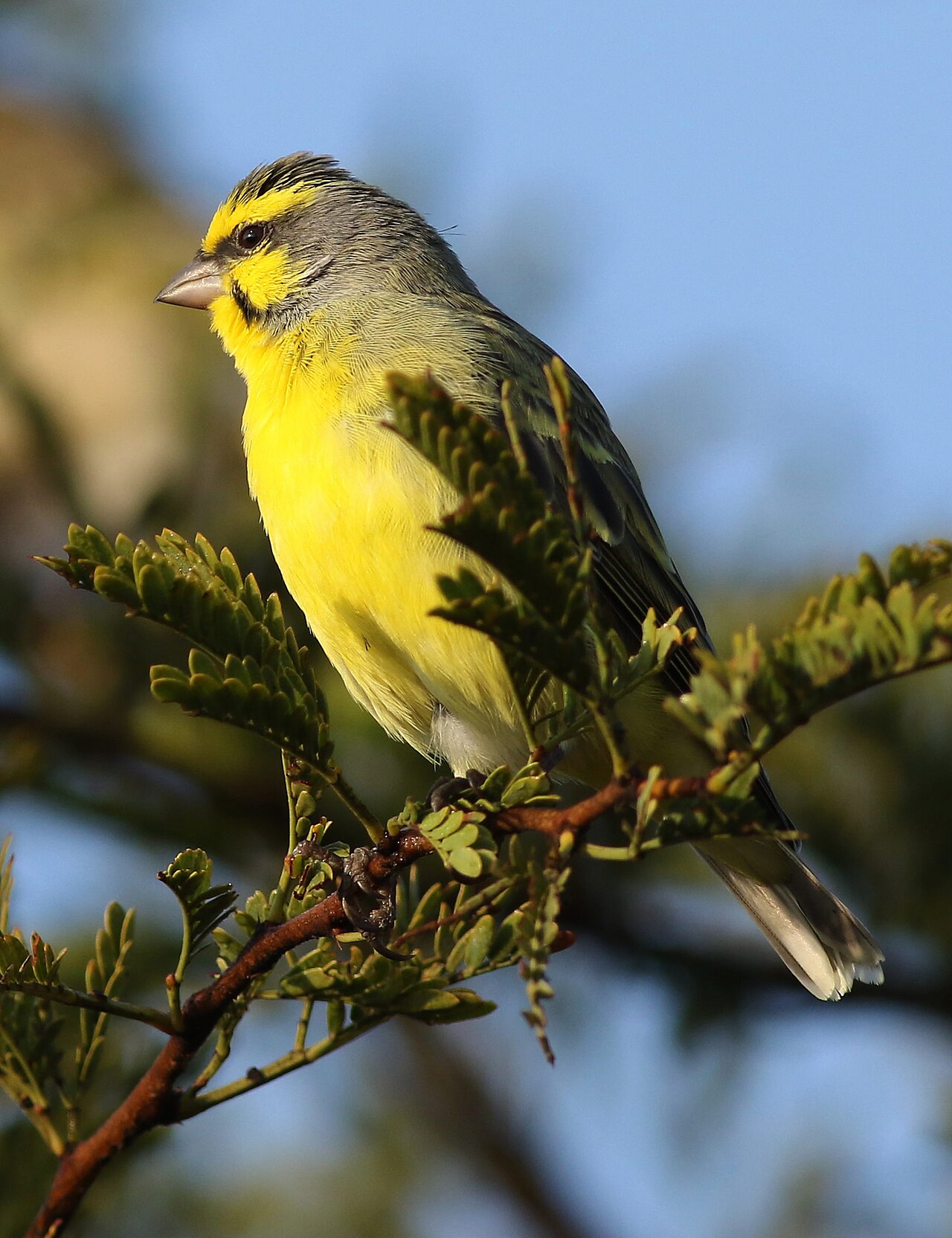
—observations
—countries
—peak records
Least ConcernConservation statusIUCN Red List categoriesLCNTVUENCREWEXLeast ConcernRed List categories, explained →
Diet & preyGrass seeds, Aphids, Termites
Predators
- Accipiter hawks
- Domestic cats
- Snakes
ThreatsTrapping for the pet trade, localized habitat degradation
HabitatsSavannas, open woodlands, scrublands, agricultural fields, gardens
Life span5–10 years in the wild
Classification
- OrderPasseriformes
- FamilyFringillidae
- GenusCrithagra
- SpeciesCrithagra mozambica
Range data is not available yet.
Interaction riskLow
- Low
- Moderate
- High
- Very high
- Why interaction risk is low
- Safe to observe at a normal distance.
Responsible observation
- Listen for Calls: Locate feeding flocks by listening for their distinctive, sweet chirping calls in grassy areas.
- Maintain Distance: Observe foraging groups quietly from a distance to prevent scaring them into flight.
- Garden Habitat: Provide native seed-producing grasses and shallow water baths to attract wild individuals.
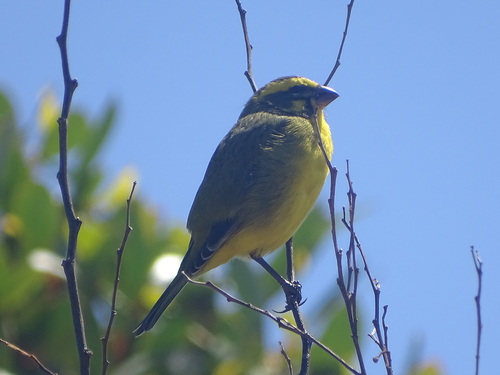
Close Relative (c) Shaun Swanepoel, some rights reserved (CC BY) · cc-by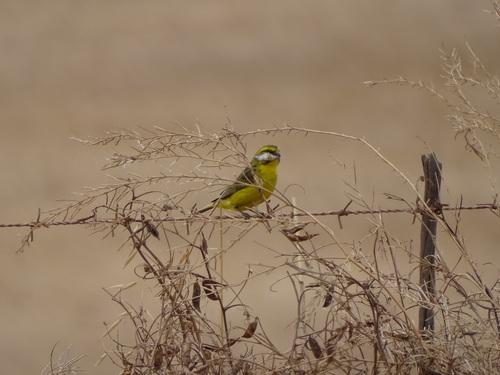
Close Relative (c) Shaun Swanepoel, some rights reserved (CC BY) · cc-by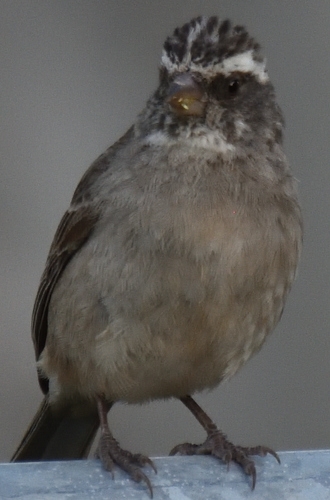
Close Relative (c) Andrew Gillespie, some rights reserved (CC BY-SA) · cc-by-sa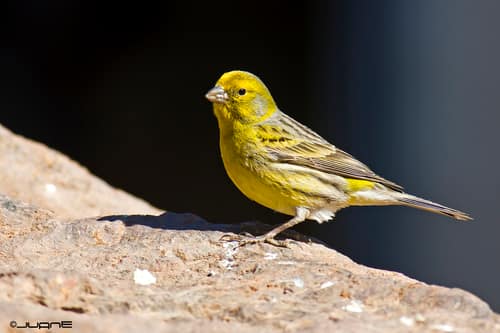
Family Relative (c) Juan Emilio, some rights reserved (CC BY-SA) · cc-by-sa
Help improve the field guideSomething wrong?
Checking your Fauna account…Report a name, category, or profile issue for review.