
Bird
Magnolia Warbler
Setophaga magnoliaAlso known as Black-and-yellow Warbler
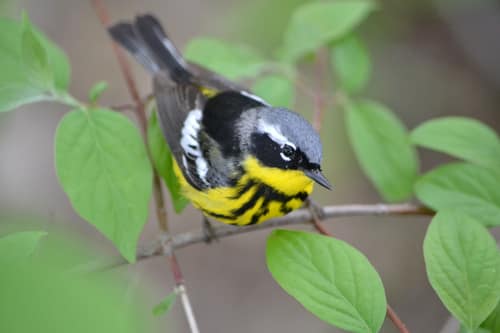
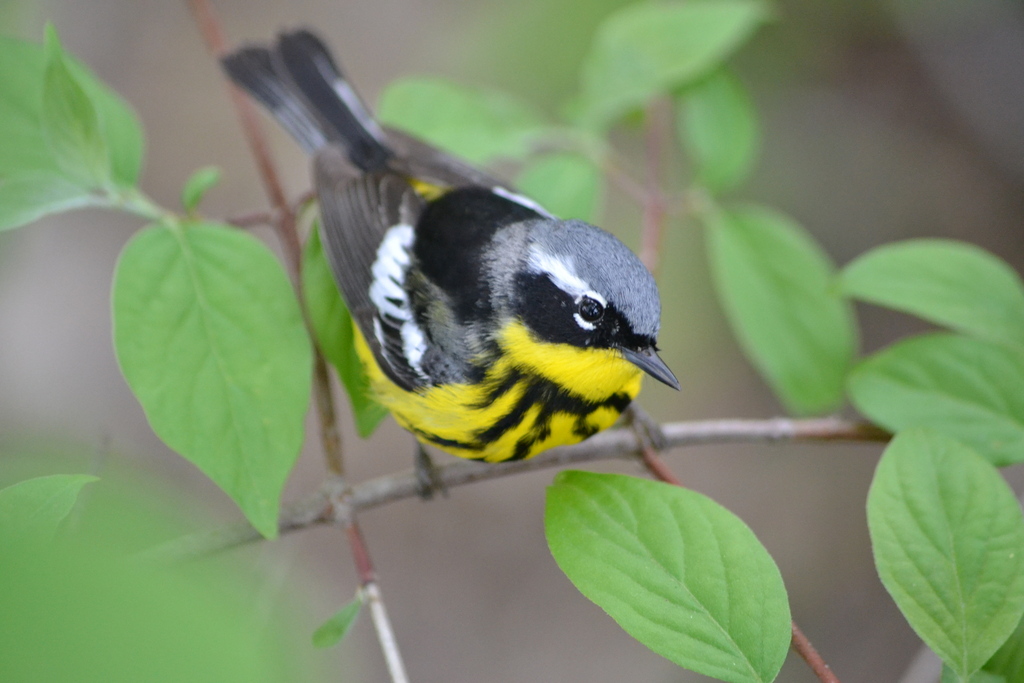
Magnolia warblers flit restlessly through dense conifer boughs, fanning their distinctive white-banded tails while snatching caterpillars from the undersides of needles. Breeding males boast a striking yellow breast streaked with thick black stripes, a jet-black face mask, and a slate-gray crown. Each autumn, millions embark on long nocturnal journeys from boreal spruce forests to spend the winter in Central American humid lowlands and shade-coffee plantations.
SongbirdMigratoryColorful
—observations
—countries
—peak records
Least ConcernConservation statusIUCN Red List categoriesLCNTVUENCREWEXLeast ConcernRed List categories, explained →
Diet & preyCaterpillars, Spiders, Aphids
Predators
- Sharp-shinned Hawk
- Merlin
- Blue Jay
ThreatsCollisions with artificial structures during nocturnal migration and winter habitat loss
HabitatsDense boreal conifer forests, regenerating spruce stands, and mixed migratory woodlands
Life span5–8 years
Classification
- FamilyParulidae
- SpeciesSetophaga magnolia
Range data is not available yet.
Interaction riskLow
- Low
- Moderate
- High
- Very high
- Why interaction risk is low
- Safe to observe at a normal distance.
Responsible observation
- Field Observation: Watch the lower to mid-canopy of small spruces and look for tail-fanning behavior.
- Acoustic Cues: Listen for a cheerful, rapid song often rendered as 'wichety-wichety-wichew'.
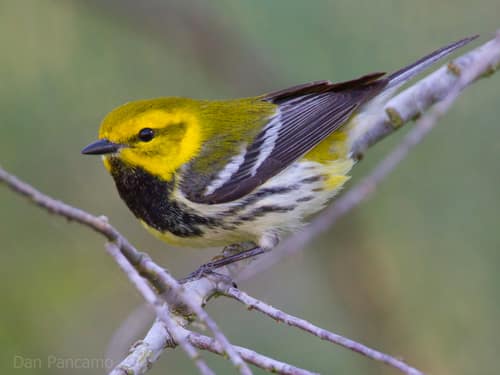
Competitor (c) Dan Pancamo, some rights reserved (CC BY-SA) · cc-by-sa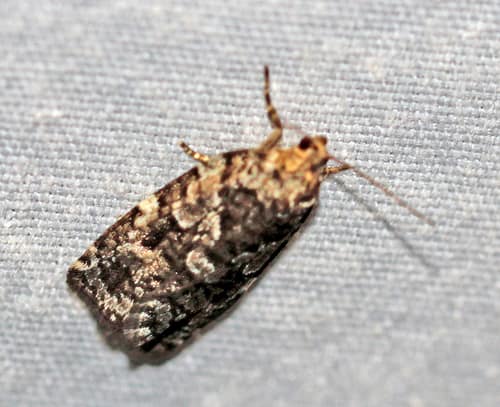
Prey no rights reserved · cc0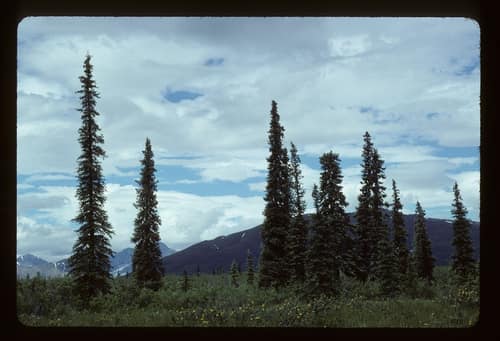
Host Plant (c) Douglas Goldman, some rights reserved (CC BY-SA), uploaded by Douglas Goldman · cc-by-sa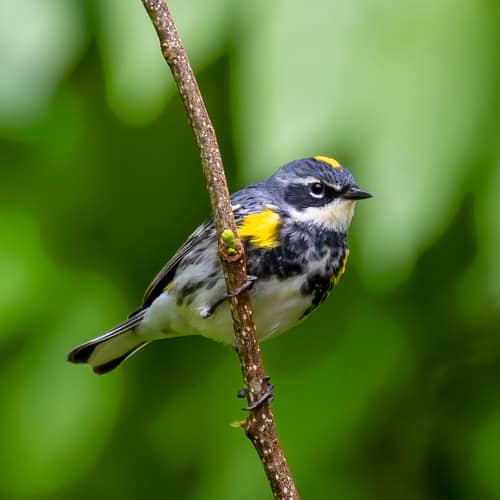
Close Relative (c) Dan Vickers, some rights reserved (CC BY), uploaded by Dan Vickers · cc-by
Help improve the field guideSomething wrong?
Checking your Fauna account…Report a name, category, or profile issue for review.