
Bird
Western Snowy Plover
Charadrius nivosusAlso known as Snowy Plover, Cuban Snowy Plover
Western snowy plovers blend seamlessly into pale coastal sands and alkali flats, running in short, darting bursts before halting abruptly to peck at surface invertebrates. Males carve shallow scrapes directly into exposed sand or dried mud to construct minimal nests, which both parents defend with elaborate wing-dragging distraction displays. Human disturbance, beach development, and introduced coastal vegetation have severely fragmented their breeding habitat, making active beach management essential for their survival.
ShorebirdCoastalGround-Nesting
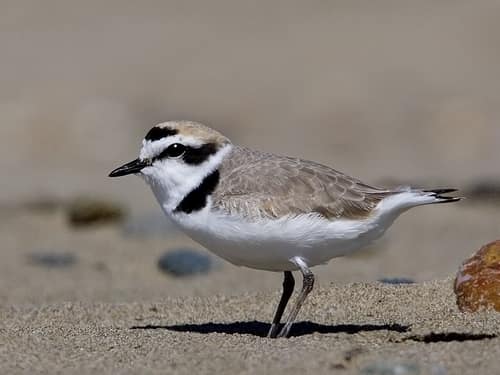
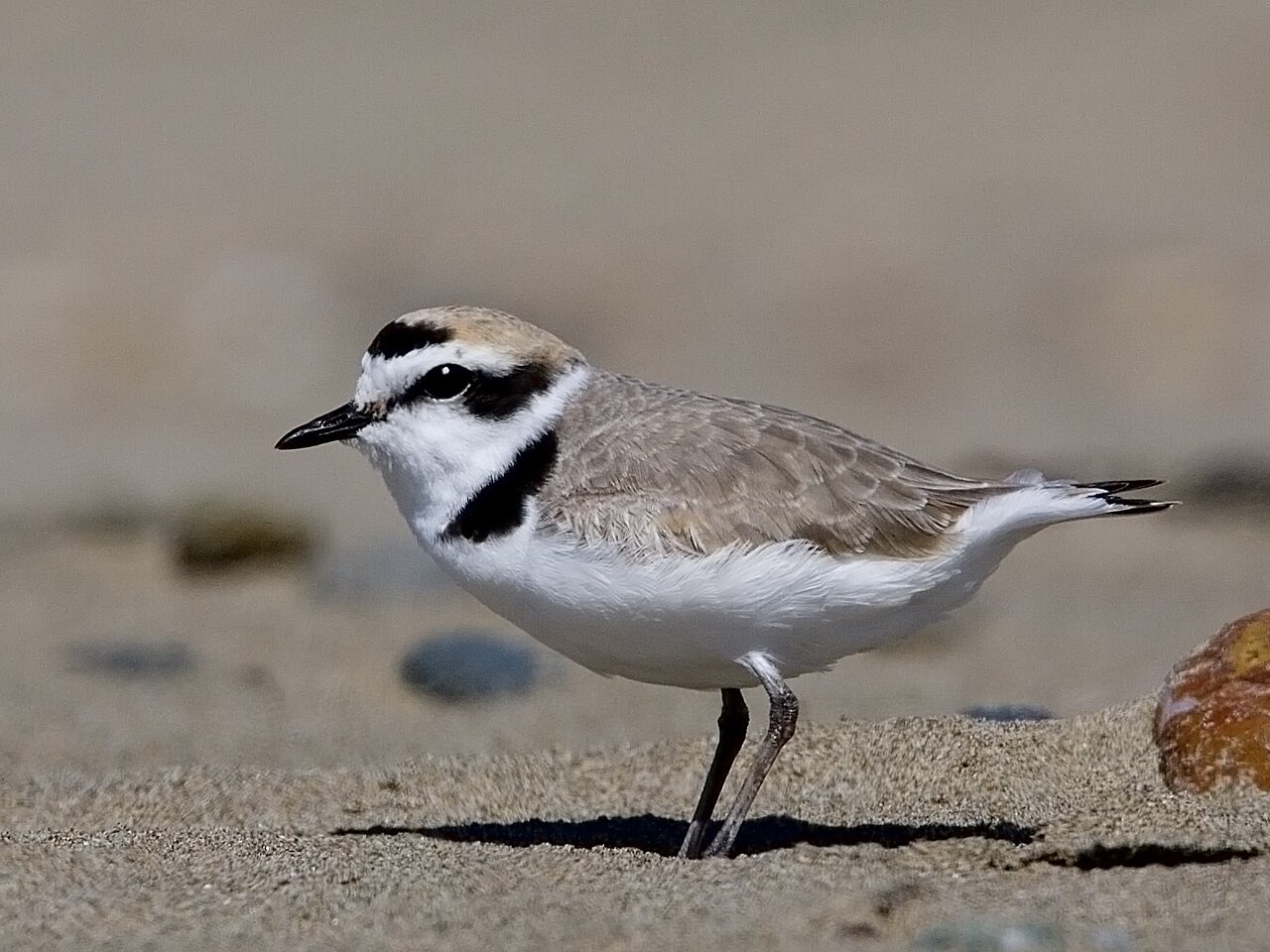
—observations
—countries
—peak records
Near ThreatenedConservation statusIUCN Red List categoriesLCNTVUENCREWEXNear ThreatenedRed List categories, explained →
Diet & preyAmphipods, Beetles, Polychaete Worms
Predators
- Common Raven
- Peregrine Falcon
- Coyote
ThreatsHabitat loss, human recreation, coastal development, and invasive beachgrass
HabitatsSandy coastal beaches, barrier islands, salt flats, and inland alkali lakes
Life span3–15 years
Classification
- FamilyCharadriidae
- SpeciesCharadrius nivosus
Range data is not available yet.
Interaction riskLow
- Low
- Moderate
- High
- Very high
- Why interaction risk is low
- Safe to observe at a normal distance.
- What to notice
- Look for a tiny, pale sand-colored shorebird with dark ear patches and black legs on open beaches.
- Support conservation
- Stay on established trails, keep dogs leashed, and remain clear of marked nesting enclosures.
Responsible observation
- Observe from Distance: Use binoculars or a spotting scope to view nesting adults without triggering defensive displays.
- Respect Enclosures: Obey seasonal beach closures and stay outside fenced nesting zones.
- Control Pets: Keep dogs on leash near coastal dunes to avoid flushing incubating birds.
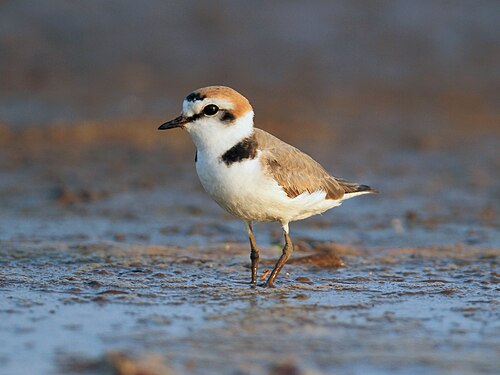
Sister Species Original: Davidvraju, edit: MPF / CC BY-SA 4.0 · cc-by-sa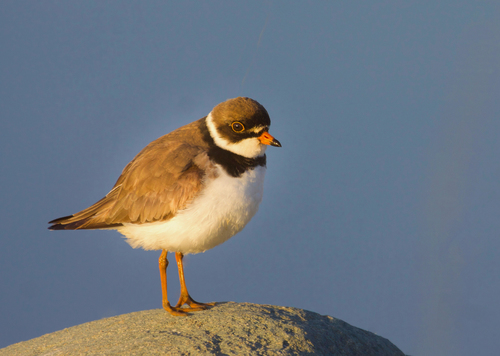
Genus Member (c) Gregory Smith, some rights reserved (CC BY-SA) · cc-by-sa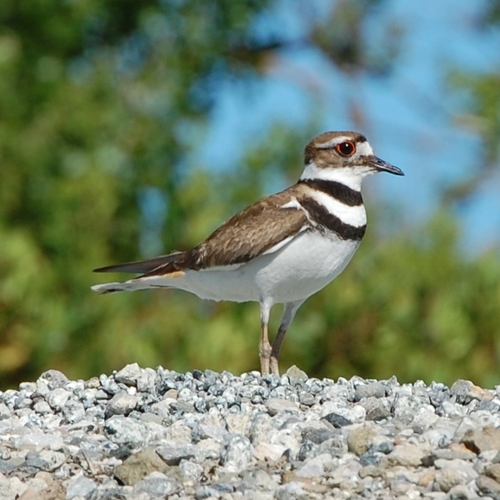
Genus Member (c) Eugene Zelenko, some rights reserved (CC BY-SA) · cc-by-sa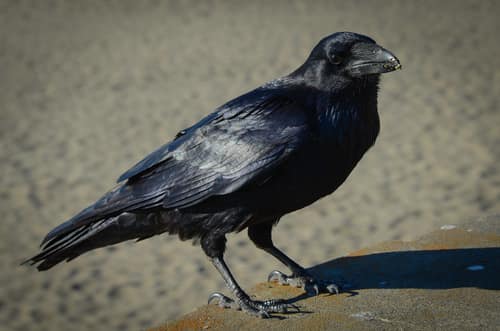
Nest Predator "Common Raven (Corvus corax)" by Franco Folini is licensed under CC BY-SA 2.0. To view a copy of this license, visit https://creativecommons.org/licenses/by-sa/2.0/. · cc-by-sa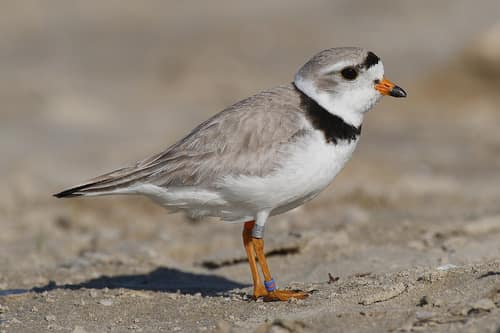
Close Relative Mdf derivative work: User:Tmv23 (talk) / CC BY-SA 3.0 · cc-by-sa
Help improve the field guideSomething wrong?
Checking your Fauna account…Report a name, category, or profile issue for review.