
Bird
Blue-throated Macaw
Ara glaucogularisAlso known as Caninde Macaw, Wagler's Macaw
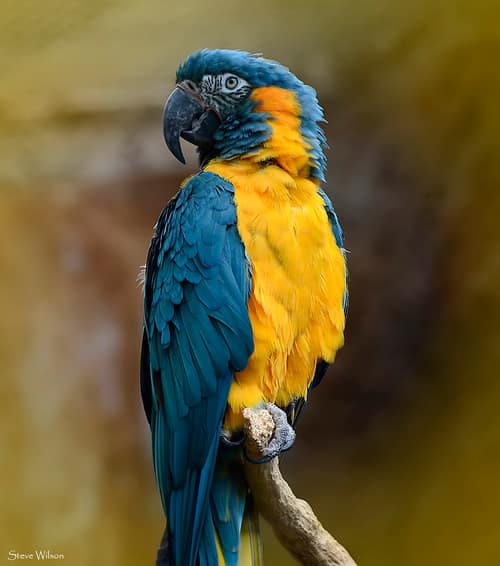
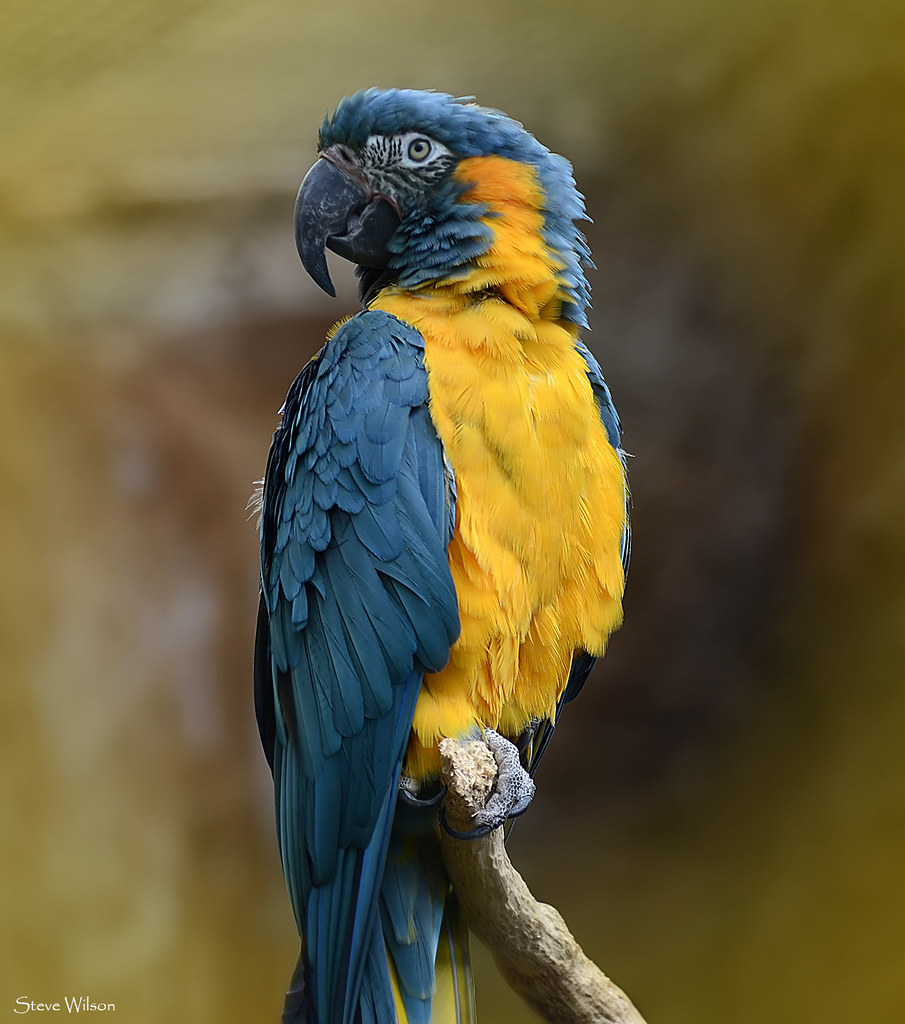
Blue-throated macaws are striking, critically endangered parrots that inhabit the seasonally flooded savannas of northern Bolivia. They nest almost exclusively in the cavities of motacú palms, relying on these trees for both shelter and their primary food source. Highly social and monogamous, pairs remain together for life, performing synchronized aerial duets and preening each other to reinforce their bond.
EndangeredTropicalMonogamous
—observations
—countries
—peak records
Critically EndangeredConservation statusIUCN Red List categoriesLCNTVUENCREWEXCritically EndangeredRed List categories, explained →
Diet & preyMotacú Palm Fruit, Totaí Palm Fruit, Chicharrón Palm Fruit
Predators
- Harpy Eagle
- Tegu Lizard
- Large Arboreal Snakes
ThreatsIllegal pet trade, habitat loss, and historical hunting for ceremonial headdresses
HabitatsSeasonally flooded savannas, palm groves, and gallery forests
Life span50 to 80 years
Classification
- FamilyPsittacidae
- SpeciesAra glaucogularis
Range data is not available yet.
Interaction riskLow
- Low
- Moderate
- High
- Very high
- Why interaction risk is low
- Capable of delivering a powerful bite if cornered; observe quietly from a distance.
- What to notice
- Look for the distinctive turquoise-blue throat patch, a greenish-blue crown, and a bare white facial patch striped with blue feathers.
- Support conservation
- Never disclose nesting locations online, keep a respectful distance of at least 50 meters, and use binoculars to avoid disturbing breeding pairs.
Responsible observation
- Listen for Calls: Identify them by their high-pitched, nasal squeaks, which are distinct from the deeper calls of blue-and-yellow macaws.
- Scan Palm Stands: Look for pairs perched in the crowns of motacú palms, especially during the early morning and late afternoon.
- Support Ecotourism: Visit community-run reserves in the Beni savanna to fund local conservation and nest-box programs.
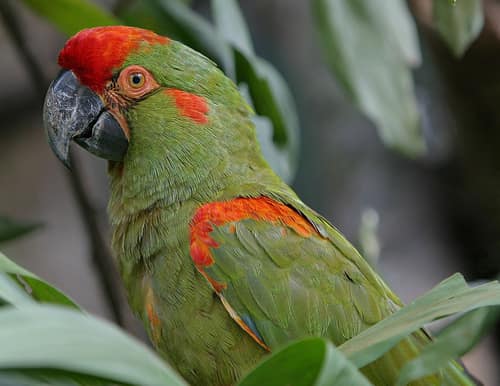
Bolivian Endemic (c) Doug Janson, some rights reserved (CC BY-SA) · cc-by-sa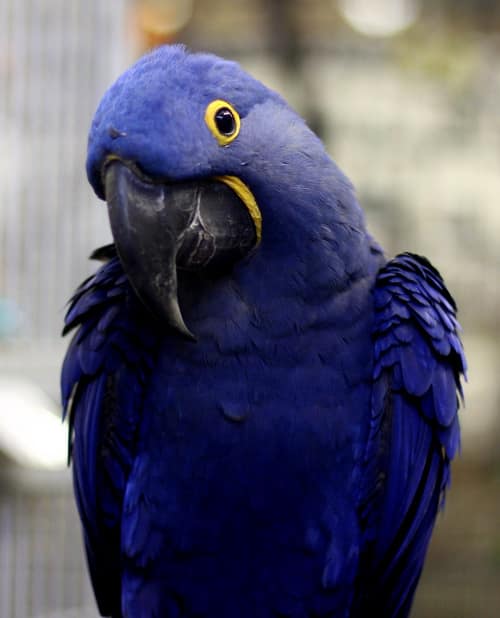
Frequent Companion "Hyacinth Macaw" by eflon is licensed under CC BY 2.0. To view a copy of this license, visit https://creativecommons.org/licenses/by/2.0/. · cc-by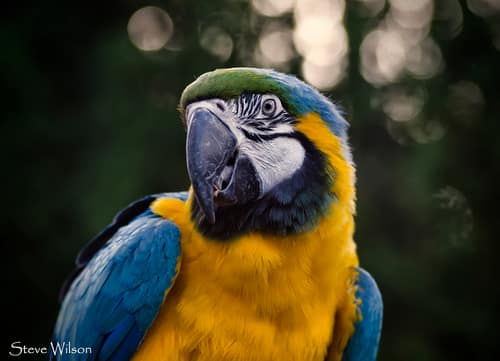
Close Relative "Blue and Yellow Macaw" by Steve Wilson - over 10 million views Thanks !! is licensed under CC BY 2.0. To view a copy of this license, visit https://creativecommons.org/licenses/by/2.0/. · cc-by
Help improve the field guideSomething wrong?
Checking your Fauna account…Report a name, category, or profile issue for review.