
Bird
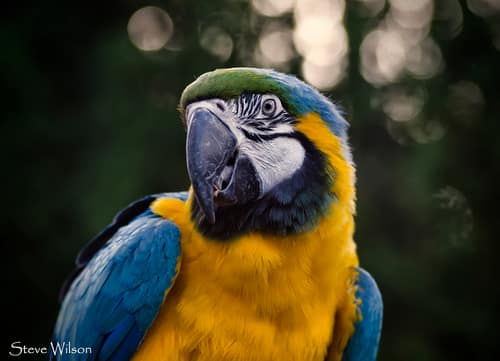
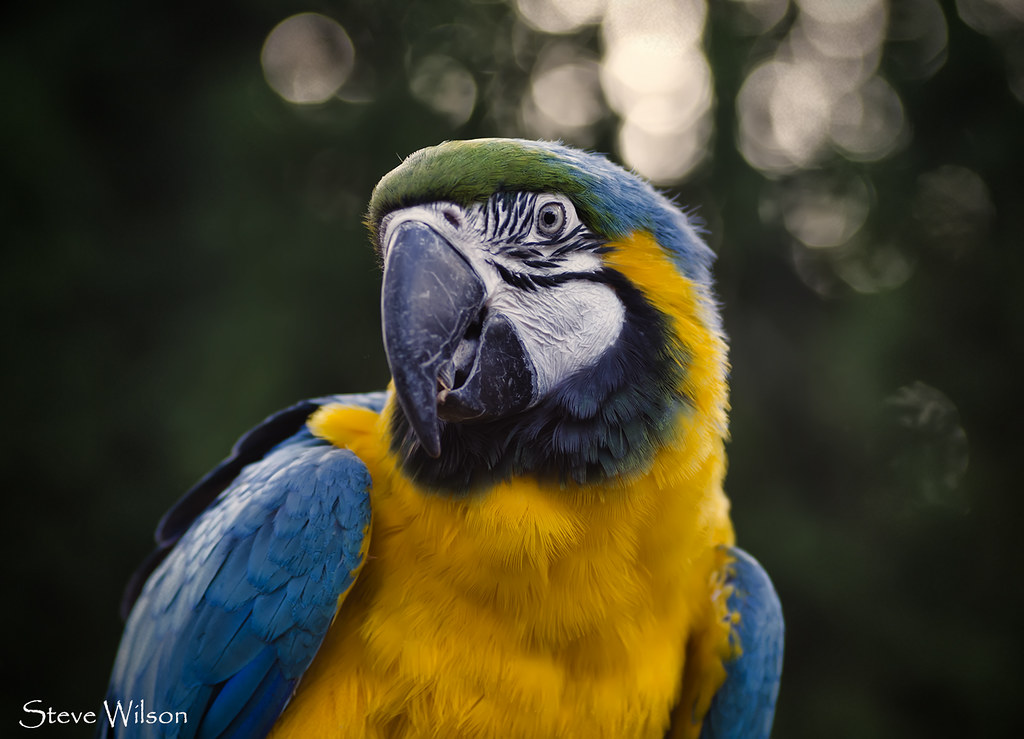
Blue-and-yellow Macaw
Ara araraunaAlso known as Blue-and-gold Macaw
Blue-and-yellow Macaws travel through Neotropical canopy layers in tight-knit pairs or boisterous flocks that call loudly to each other across long distances. They mate for life, roosting high in tall palm trees and nesting inside deep tree hollows or dead palm snags. These resourceful birds ingest mineral-rich riverbank clay to help neutralize dietary toxins encountered from eating unripe seeds and wild fruits.
SocialLoudTropical
—observations
—countries
—peak records
Least ConcernConservation statusIUCN Red List categoriesLCNTVUENCREWEXLeast ConcernRed List categories, explained →
Diet & preyPalm Nuts, Wild Figs, River Clay
Predators
- Harpy Eagle
- Ocelot
- Large Snakes
ThreatsHabitat loss, poaching for the pet trade, and loss of nesting trees
HabitatsRainforests, swamp forests, savannas, and gallery woodlands
Life span30–50 years in the wild
Classification
- OrderPsittaciformes
- FamilyPsittacidae
- GenusAra
- SpeciesAra ararauna
Native
Interaction riskLow
- Low
- Moderate
- High
- Very high
- Why interaction risk is low
- Equipped with a powerful beak capable of inflicting serious bites; observe wild birds from a safe distance.
Responsible observation
- Listen First: Listen for harsh, raucous squawks echoing over the forest canopy before looking up.
- Clay Licks: Position near riverbanks early in the morning to view gathering feeding flocks.
- Keep Distance: Maintain respectful distance around nesting trees to avoid flushing breeding pairs.
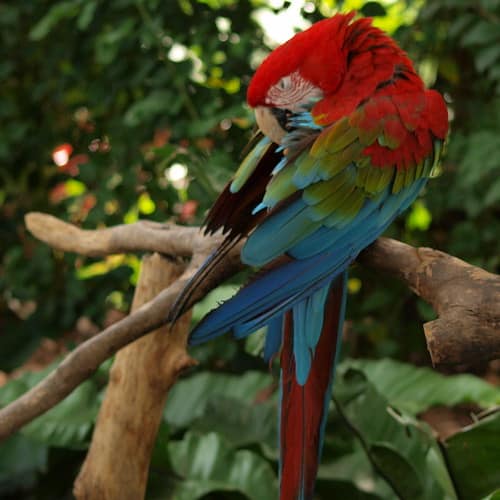
Frequent Companion "Red-and-green Macaw" by ~Shanth is licensed under CC BY-SA 2.0. To view a copy of this license, visit https://creativecommons.org/licenses/by-sa/2.0/. · cc-by-sa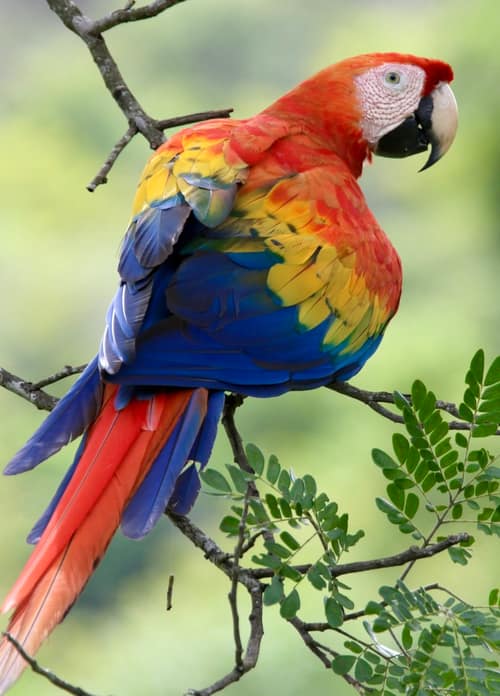
Close Relative (c) Cricket Raspet, some rights reserved (CC BY), uploaded by Cricket Raspet · cc-by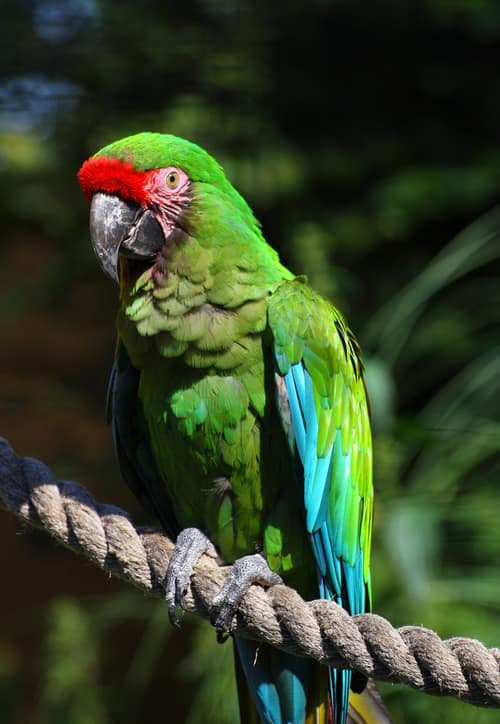
Close Relative neiljs / CC BY 2.0 · cc-by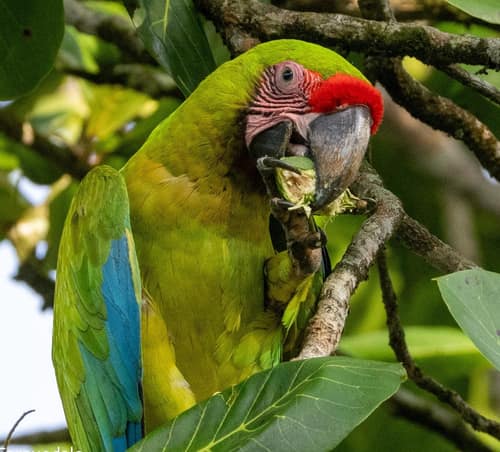
Close Relative David McCorquodale / CC BY 4.0 · cc-by
Keep collecting in Fauna
Found in Collections
Species set Pro
Emerald Kingdom
Blue-and-yellow Macaw is found in this collection. Identify it in Fauna to fill this slot and continue your progress.
Unlock to track progress
Help improve the field guideSomething wrong?
Checking your Fauna account…Report a name, category, or profile issue for review.