
Bird
Red-fronted Macaw
Ara rubrogenysAlso known as Lafresnaye's Macaw, Red-fronted Parrot
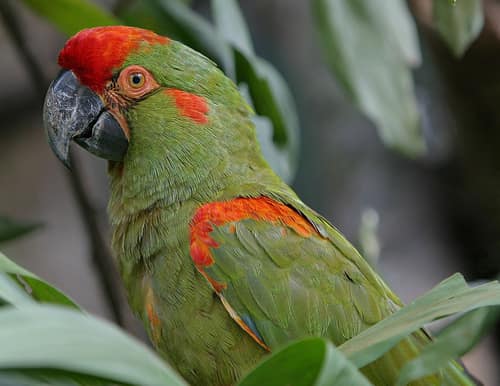
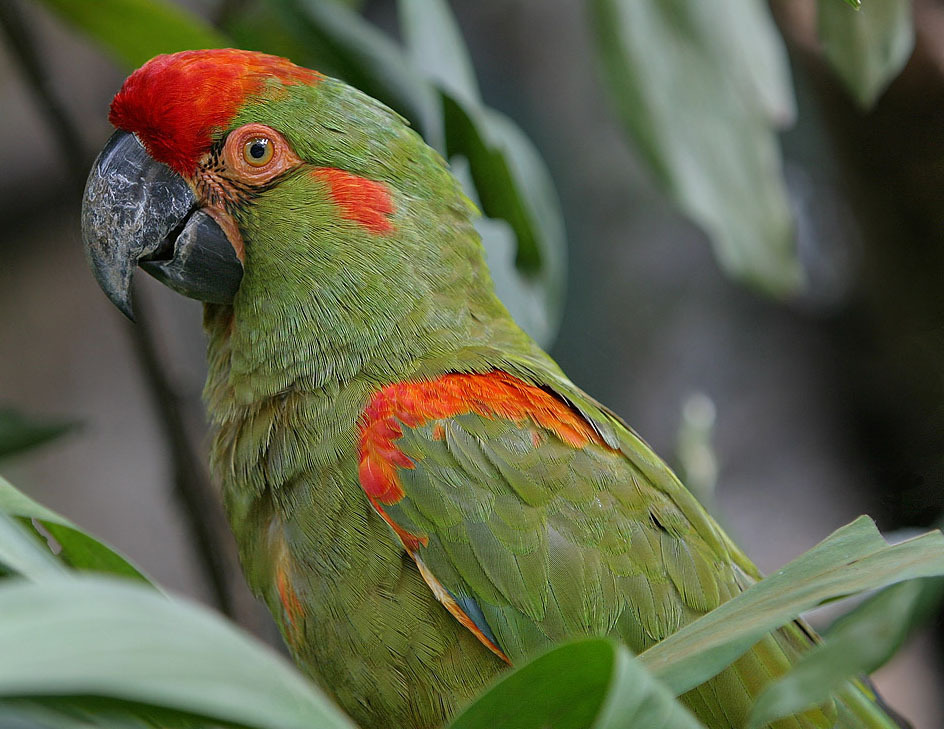
Red-fronted macaws are vibrant, medium-sized parrots that navigate the rugged sandstone canyons and dry thorny scrub of the Bolivian Andes. Unlike most macaws that nest in humid rainforest canopies, these hardy birds rear their young in steep cliff crevices and forage in arid valleys for seeds, cactus fruits, and cultivated crops. They are highly social, communicating with loud, musical squeaks and whistles as they fly in tight-knit flocks between roosting sites and feeding grounds.
EndemicCliff-nestingVocal
—observations
—countries
—peak records
Critically EndangeredConservation statusIUCN Red List categoriesLCNTVUENCREWEXCritically EndangeredRed List categories, explained →
Diet & preyCactus fruits, Maize, Legume seeds
Predators
- Peregrine falcons
- Large raptors
- Feral cats
ThreatsHabitat loss, illegal pet trade, and persecution by farmers as crop pests
HabitatsSemi-desert mountainous valleys, dry thorny scrublands, and sandstone cliffs
Life spanUp to 50 years in the wild
Classification
- FamilyPsittacidae
- SpeciesAra rubrogenys
Range data is not available yet.
Interaction riskLow
- Low
- Moderate
- High
- Very high
- Why interaction risk is low
- Capable of delivering a powerful bite if cornered; observe wild flocks from a respectful distance.
- What to notice
- Look for a medium-sized green macaw with a bright red forehead, crown, and ear patches, plus orange-red underwing coverts.
- Support conservation
- Never disclose exact nesting cliff locations online and support local community guardians who monitor the wild populations.
Responsible observation
- Use Binoculars: Watch their cliffside nesting activity from valley floors to avoid disturbing breeding pairs.
- Listen for Calls: Locate flocks by listening for their distinct, high-pitched musical squeaks echoing off canyon walls.
- Support Eco-tourism: Visit community-run reserves in Bolivia that protect nesting cliffs and fund local conservation.
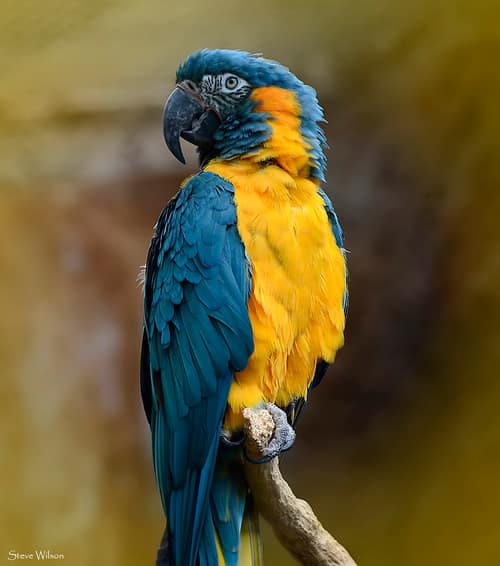
Bolivian Endemic "Blue throated Macaw" by Steve Wilson - over 10 million views Thanks !! is licensed under CC BY 2.0. To view a copy of this license, visit https://creativecommons.org/licenses/by/2.0/. · cc-by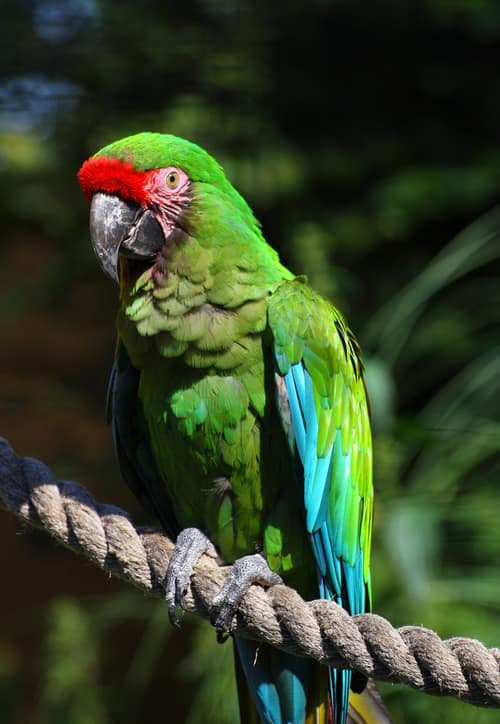
Close Relative neiljs / CC BY 2.0 · cc-by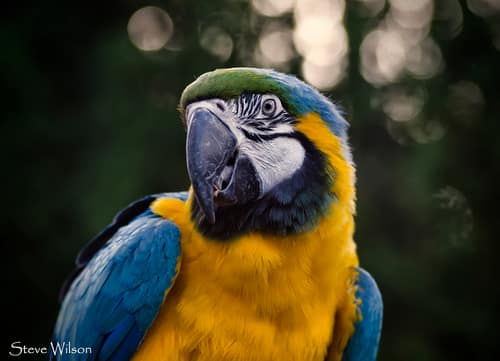
Close Relative "Blue and Yellow Macaw" by Steve Wilson - over 10 million views Thanks !! is licensed under CC BY 2.0. To view a copy of this license, visit https://creativecommons.org/licenses/by/2.0/. · cc-by
Help improve the field guideSomething wrong?
Checking your Fauna account…Report a name, category, or profile issue for review.