
Bird
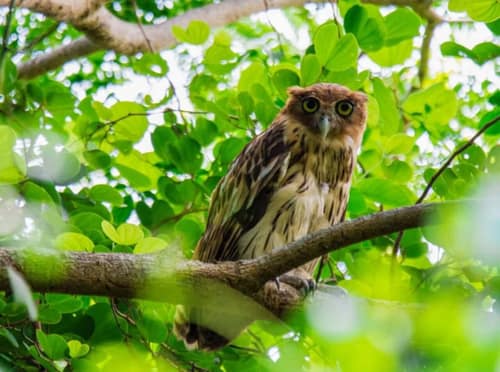
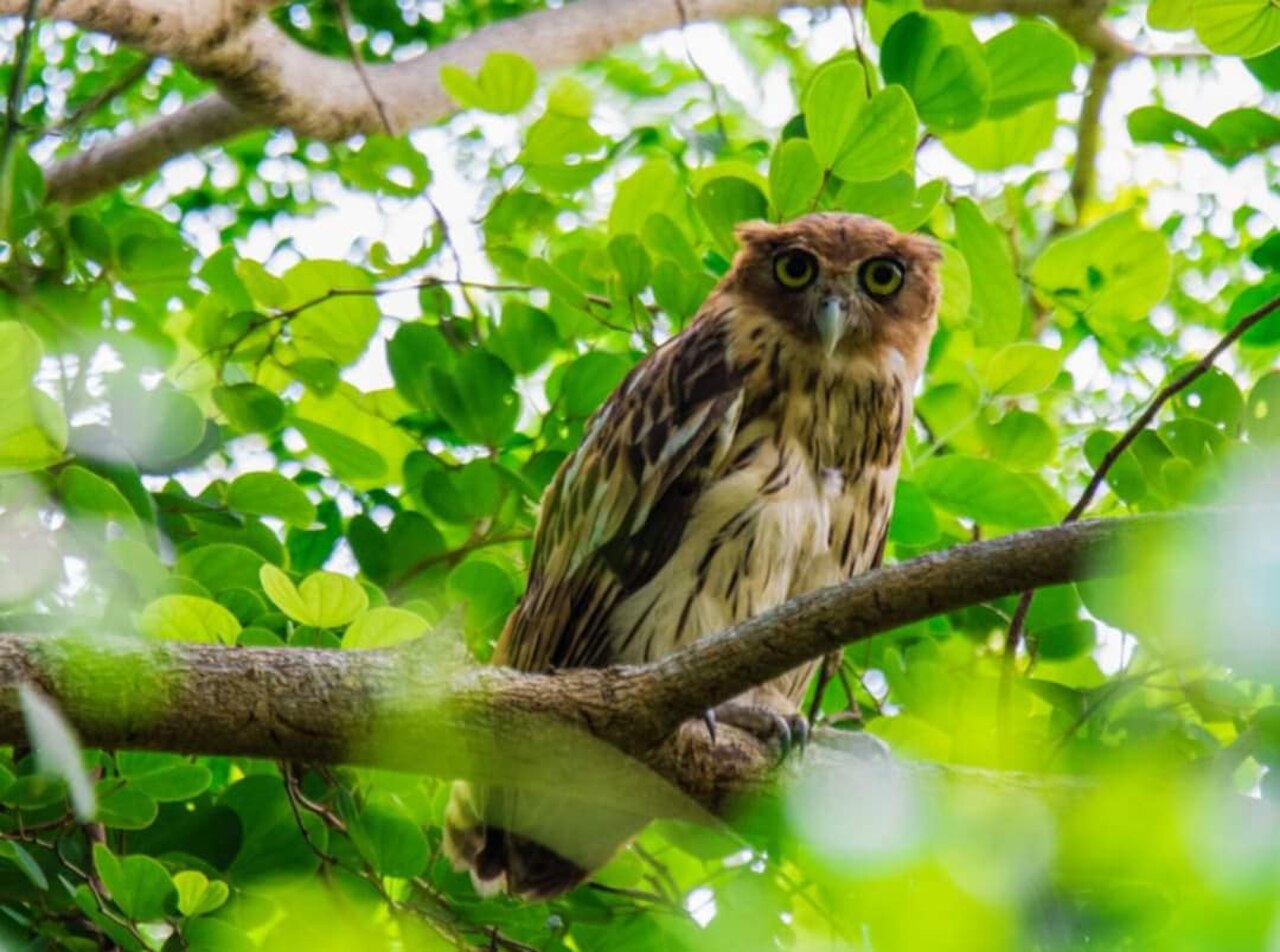
Philippine Eagle-Owl
Bubo philippensisAlso known as Philippine Horned Owl
The Philippine eagle-owl is the largest owl in the Philippines, recognizable by its striking rufous plumage, prominent ear tufts, and massive yellow eyes. These nocturnal predators inhabit lowland rainforests, often near rivers or creeks, where they hunt from low perches. They are highly territorial and communicate with deep, resonant hooting calls that echo through the forest canopy at dusk.
NocturnalEndemicRaptor
—observations
—countries
—peak records
VulnerableConservation statusIUCN Red List categoriesLCNTVUENCREWEXVulnerableRed List categories, explained →
Diet & preyRodents, Small birds, Large insects
Predators
- Philippine Eagle
- Humans
ThreatsHabitat destruction, deforestation, hunting, and poaching for the pet trade
HabitatsLowland tropical rainforests, forest edges, and riparian zones
Life span15 to 20 years
Classification
- FamilyStrigidae
- SpeciesBubo philippensis
Range data is not available yet.
Interaction riskLow
- Low
- Moderate
- High
- Very high
- Why interaction risk is low
- Equipped with powerful talons and a sharp beak; observe from a safe distance and do not approach.
Responsible observation
- Listen at dusk: Listen for their deep, low-pitched hoots echoing near forest edges and rivers just after sunset.
- Use binoculars: Keep a respectful distance and use binoculars to spot them roosting in dense foliage during the day.
- Support conservation: Help protect their declining habitat by supporting local Philippine rainforest preservation initiatives.
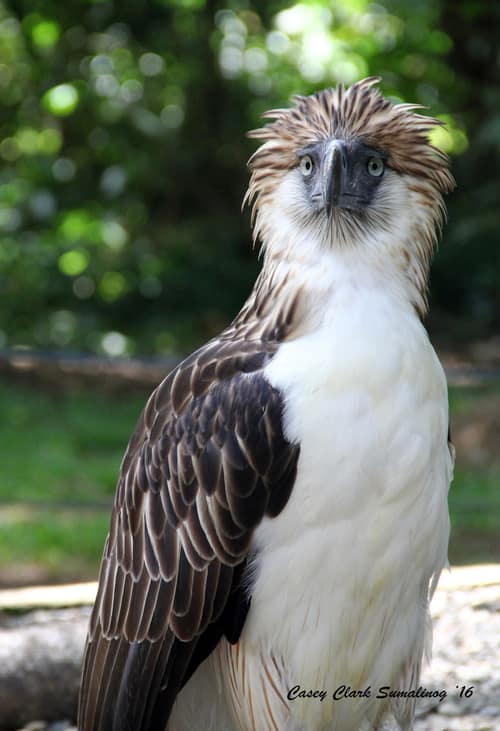
Co-occurring Raptor (c) Vreni Gem O. Caasi, some rights reserved (CC BY), uploaded by Vreni Gem O. Caasi · cc-by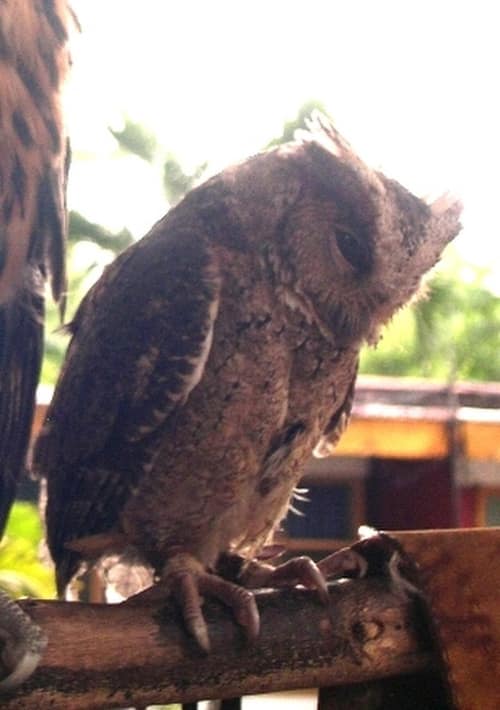
Co-occurring Owl User:Magalhães / CC0 · cc0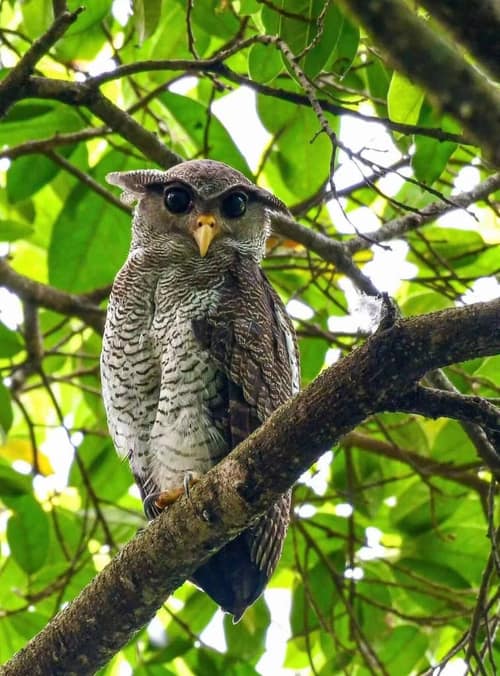
Close Relative John Tan S H (tvpmalaysia) / CC BY 4.0 · cc-by
Help improve the field guideSomething wrong?
Checking your Fauna account…Report a name, category, or profile issue for review.