
Bird
Eurasian Eagle-owl
Bubo buboAlso known as Eagle-Owl, Northern Eagle-Owl
Eurasian eagle-owls are apex nocturnal predators capable of taking down prey as large as roe deer fawns, foxes, and other raptors. Pairs establish vast, permanent territories that they advertise during late winter with deep, resonant hoots that carry over several kilometers across rocky valleys. They nest primarily on sheltered cliff ledges or crags, raising broods that rely on both parents for food well into their first autumn.
NocturnalApex PredatorRaptor
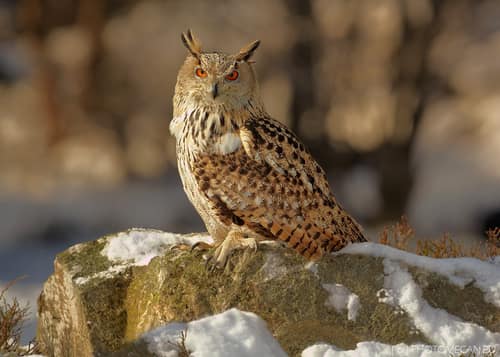
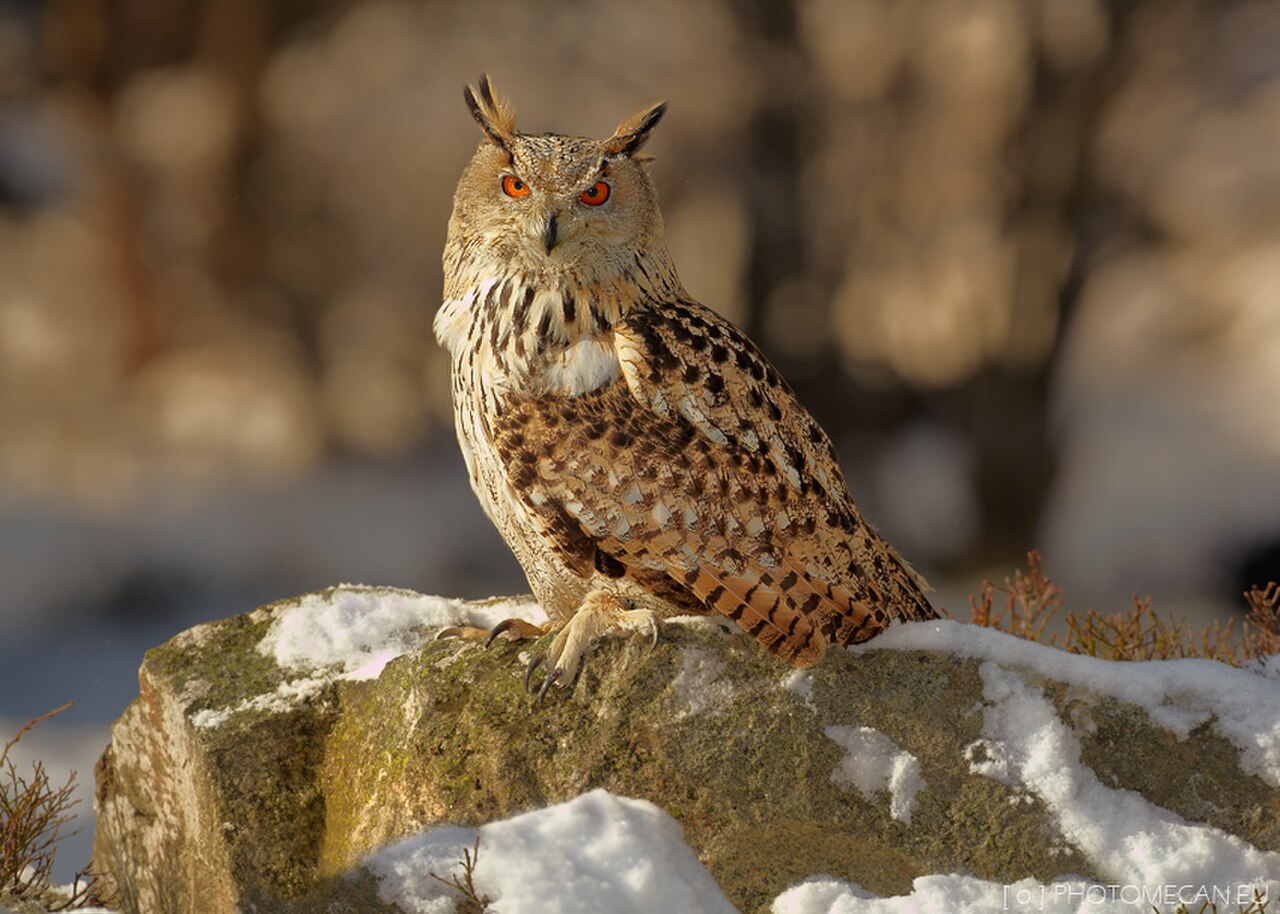
—observations
—countries
—peak records
Least ConcernConservation statusIUCN Red List categoriesLCNTVUENCREWEXLeast ConcernRed List categories, explained →
Diet & preyEuropean Rabbit, European Hedgehog, Brown Rat
ThreatsElectrocution and wire collisions, traffic accidents, direct persecution, and secondary poisoning
HabitatsConiferous and mixed forests, rocky crags, cliffs, mountains, and open woodlands
Life span15–20 years in the wild (up to 60 years in captivity)
Classification
- OrderStrigiformes
- FamilyStrigidae
- GenusBubo
- SpeciesBubo bubo
Range data is not available yet.
Interaction riskLow
- Low
- Moderate
- High
- Very high
- Why interaction risk is low
- Powerful talons can cause serious injury if the owl is handled or its nest approached.
- Why it is dangerous
- Equipped with massive, crushing talons capable of exerting tremendous pressure, delivering deep puncture wounds if cornered or defending a nest.
- How to recognize a risky encounter
- Recognizable by its immense barrel-chested size, prominent upright ear tufts, mottled tawny plumage, and glowing orange-yellow eyes.
- What to do
- Never approach a grounded or injured owl without heavy protective raptor gloves, and maintain wide clearance from active nest ledges.
- What to notice
- Look for large whitewash stains and regurgitated pellets beneath cliff overhangs or remote rocky outcrops.
- Support conservation
- Maintain a distance of at least 300 meters from potential nest cliffs during the spring breeding season.
Responsible observation
- Listening: Listen at dusk during late winter when territorial males deliver deep, echoing two-syllable hoots.
- Binocular Distance: Scan distant rocky cliff faces or quarry ledges with optics to avoid disturbing roosting birds.
- Nest Ethics: Stay well clear of known nest ledges, as adults may abandon chicks or aggressively defend the site.
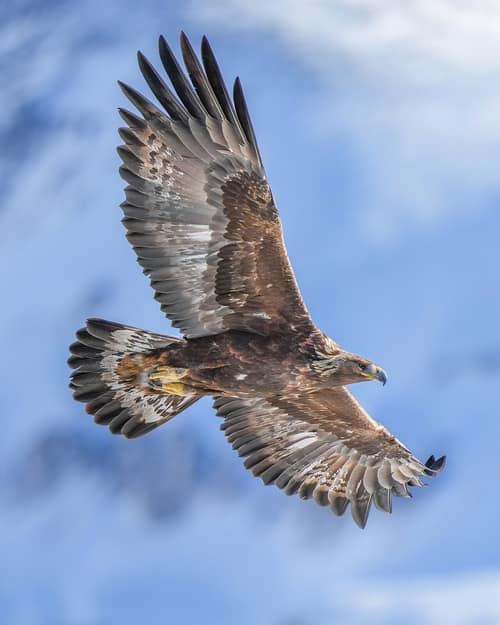
Competitor Giles Laurent / CC BY-SA 4.0 · cc-by-sa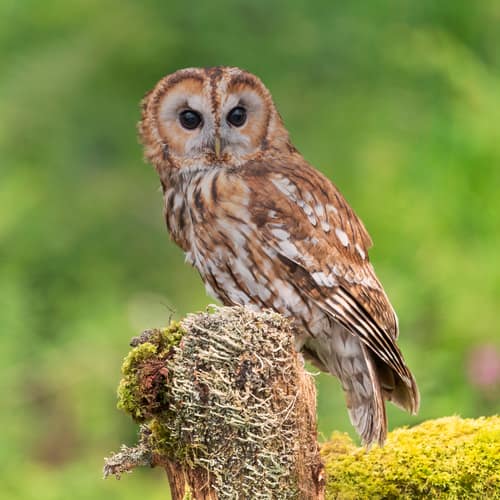
Prey (c) caroline legg, some rights reserved (CC BY) · cc-by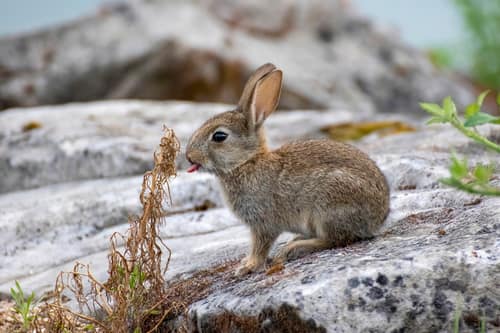
Prey (c) Alexis Lours, some rights reserved (CC BY), uploaded by Alexis Lours · cc-by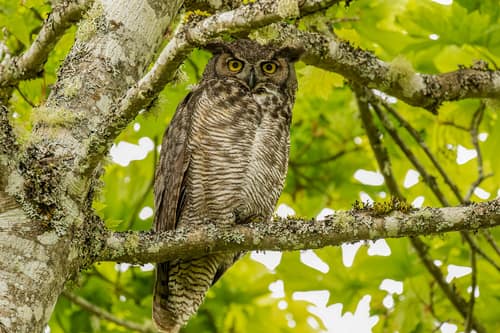
Close Relative "Great Horned Owl, the first I've seen in decent light this year. Didn't want to disturb it for too long so we continued along the trail" by island deborah- is licensed under CC BY-SA 2.0. To view a copy of this license, visit https://creativecommons.org/licenses/by-sa/2.0/. · cc-by-sa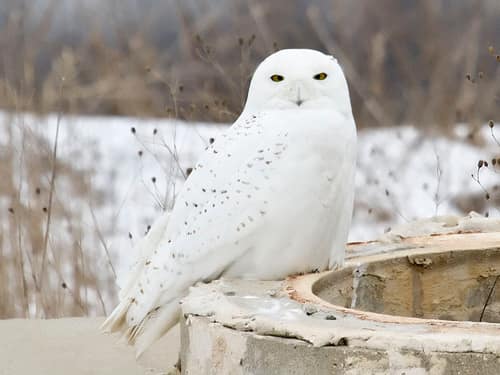
Close Relative (c) Bill Bouton, some rights reserved (CC BY-SA) · cc-by-sa
Keep collecting in Fauna
Found in Collections
Species set
Moonlight Marvels
Eurasian Eagle-owl is found in this collection. Identify it in Fauna to fill this slot and continue your progress.
—/7
Help improve the field guideSomething wrong?
Checking your Fauna account…Report a name, category, or profile issue for review.