
Fungus
King Bolete
Boletus edulisAlso known as Porcini, Penny Bun, Cepe, Steinpilz
King boletes form symbiotic mycorrhizal relationships with conifers and broadleaf trees across northern temperate forests. A distinct network of pale raised veins, known as reticulation, covers the upper portion of their thick, bulbous stalks. Instead of gills, these mushrooms release spores through microscopic tubes lining spongy pore surfaces that shift from white to yellowish-green as they mature.
FungusForest FloorMycorrhizal
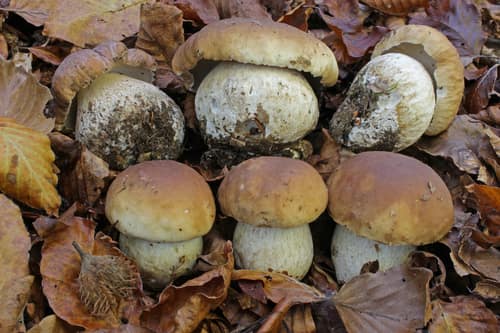
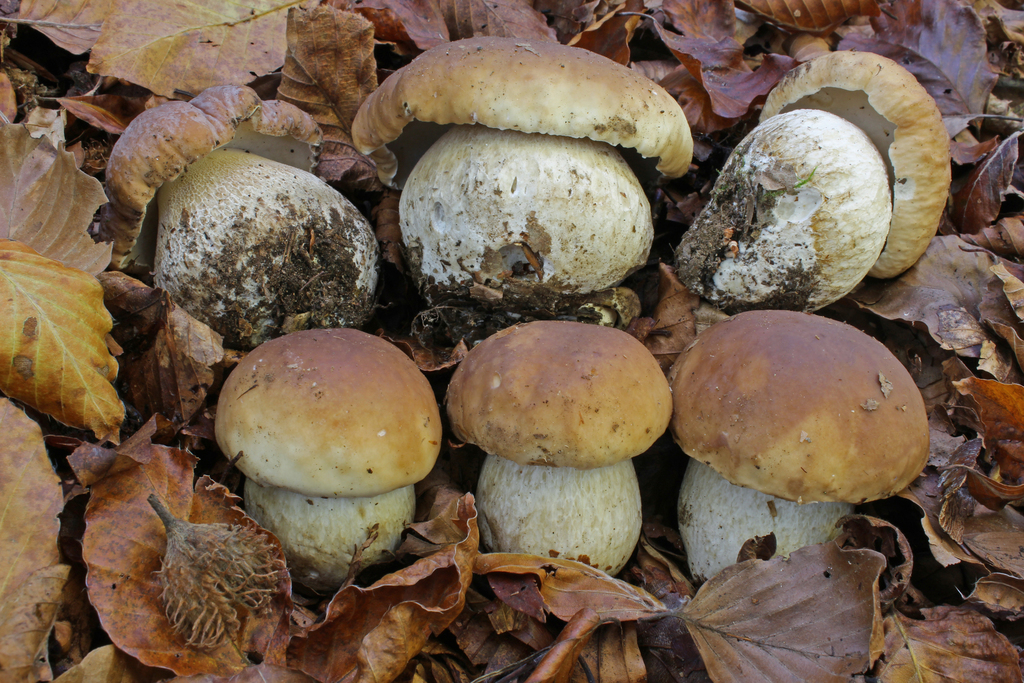
—observations
—countries
—peak records
Least ConcernConservation statusIUCN Red List categoriesLCNTVUENCREWEXLeast ConcernRed List categories, explained →
Diet & preyMycorrhizal partner
Predators
- Slugs
- Fungus Gnat Larvae
- Squirrels
ThreatsHabitat loss, deforestation, extreme drought
HabitatsConiferous, deciduous, and mixed temperate woodland
Life spanFruiting body 1–2 weeks; underground mycelium lives decades
Classification
- OrderBoletales
- FamilyBoletaceae
- GenusBoletus
- SpeciesBoletus edulis
Range data is not available yet.
Interaction riskLow
- Low
- Moderate
- High
- Very high
- Why interaction risk is low
- Many wild mushrooms have toxic look-alikes; never consume wild fungi based on app identification alone.
Responsible observation
- Identification: Look for fine white reticulation veining on the upper stalk.
- Pore Inspection: Observe how the spongy undersides transition from white to olive-green as spores mature.
- Habitat Scouting: Search around mature spruce, pine, and oak trees following autumnal rains.
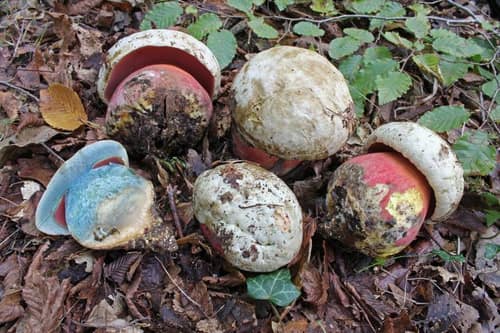
Toxic Look-Alike (c) Davide Puddu, some rights reserved (CC BY), uploaded by Davide Puddu · cc-by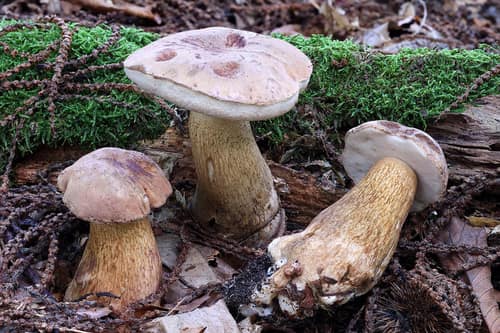
Look-Alike (c) Daniel Ghyselinck, some rights reserved (CC BY), uploaded by Daniel Ghyselinck · cc-by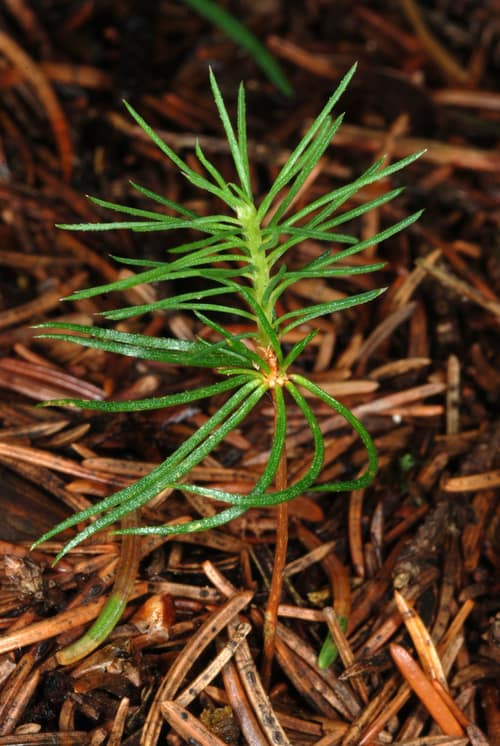
Mycorrhizal Host (c) Douglas Goldman, some rights reserved (CC BY-SA), uploaded by Douglas Goldman · cc-by-sa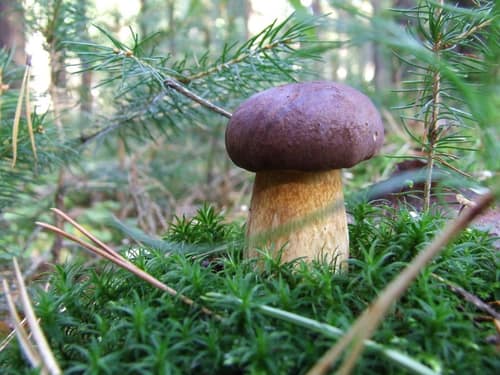
Close Relative Tocekas / CC BY-SA 3.0 · cc-by-sa
Keep collecting in Fauna
Found in Collections
Species set Pro
Fungi Forager
King Bolete is found in this collection. Identify it in Fauna to fill this slot and continue your progress.
Unlock to track progress
Help improve the field guideSomething wrong?
Checking your Fauna account…Report a name, category, or profile issue for review.