
Bird
Franklin's Gull
Leucophaeus pipixcanAlso known as Prairie Dove
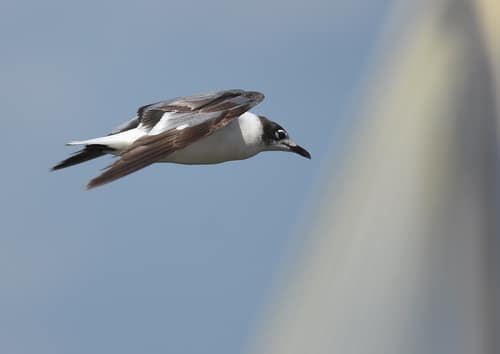
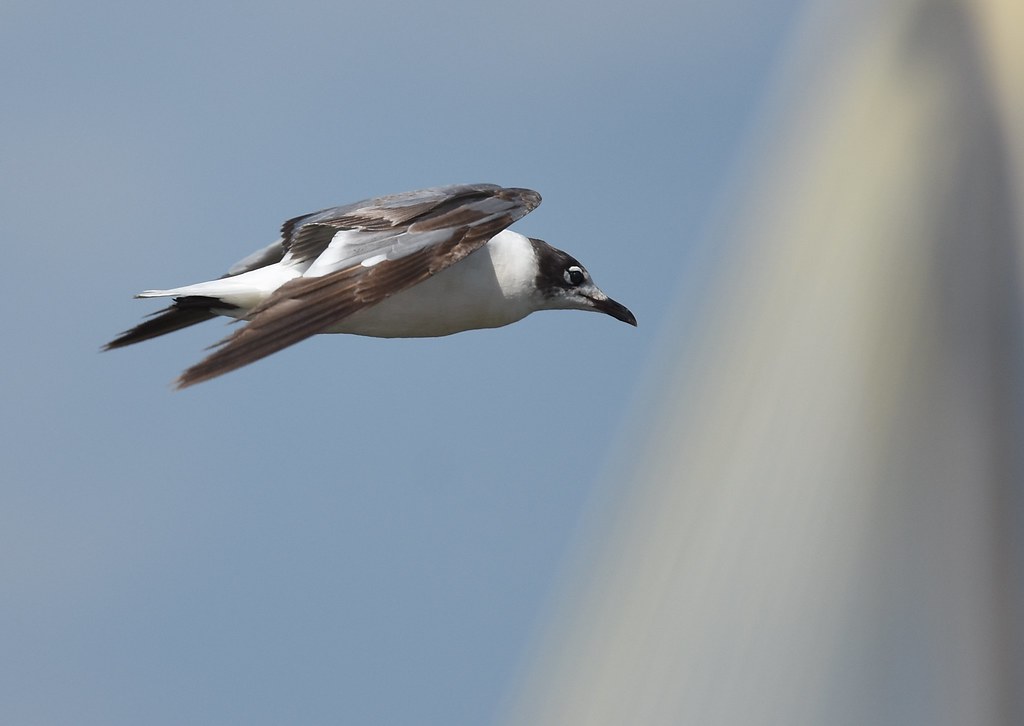
Franklin's gulls are famous for their massive, noisy breeding colonies in North American prairie marshes and their remarkable long-distance migration to the Pacific coast of South America. Adult birds in breeding plumage exhibit a full black hood with prominent white eye arcs and a subtle rosy bloom on their white underparts. Flocks often follow agricultural plows across farmland, opportunistically feasting on unearthed grubs and grasshoppers.
MigratorySocialWetland
—observations
—countries
—peak records
Least ConcernConservation statusIUCN Red List categoriesLCNTVUENCREWEXLeast ConcernRed List categories, explained →
Diet & preyGrasshoppers, Earthworms, Aquatic Insects
Predators
- Peregrine Falcon
- Great Horned Owl
- Raccoon
ThreatsWetland drainage, agricultural pesticides, and extreme weather
HabitatsPrairie marshes, lakes, farmland, and coastal waters
Life span9–15 years
Classification
- FamilyLaridae
- SpeciesLeucophaeus pipixcan
Range data is not available yet.
Interaction riskLow
- Low
- Moderate
- High
- Very high
- Why interaction risk is low
- Safe to observe at a normal distance.
- What to notice
- Recognize breeding adults by their dark red bills, black hoods, and pink-tinged white breasts in dense marsh habitats.
- Support conservation
- Observe colonies from a distance using a spotting scope and avoid paddling watercraft into nesting reed beds.
Responsible observation
- Scan Marsh Edges: Look for floating nest platforms in dense cattails and bulrushes during late spring.
- Watch Farm Fields: Spot large flocks following tractors across prairie fields to hunt turned-up soil pests.
- Look for Eye Arcs: Distinguish them from other black-headed gulls by their broad white eye arcs.
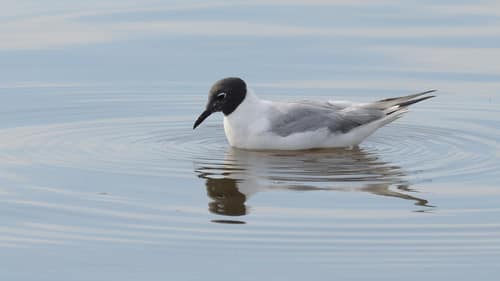
Similar Species "Bonaparte's Gull" by marknenadov is licensed under CC BY 2.0. To view a copy of this license, visit https://creativecommons.org/licenses/by/2.0/. · cc-by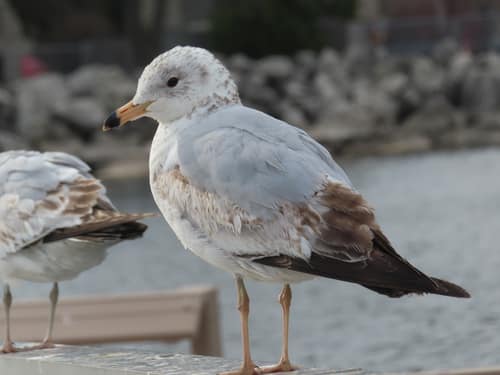
Frequent Companion (c) Eric Schmidt, some rights reserved (CC BY), uploaded by Eric Schmidt · cc-by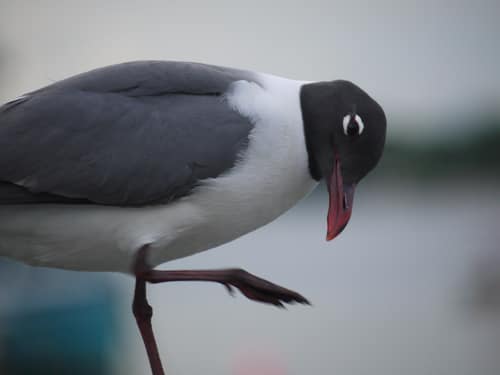
Close Relative "Laughing Gull" by grongar is licensed under CC BY 2.0. To view a copy of this license, visit https://creativecommons.org/licenses/by/2.0/. · cc-by
Help improve the field guideSomething wrong?
Checking your Fauna account…Report a name, category, or profile issue for review.