
Mammal
Snow Leopard
Panthera unciaAlso known as Ounce, Ghost of the Mountains
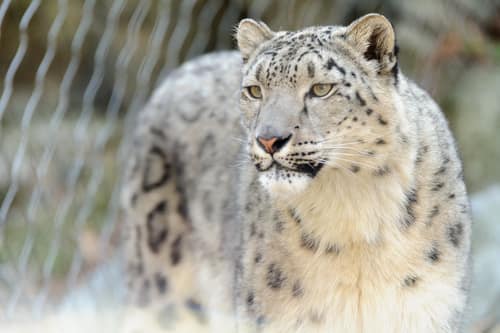
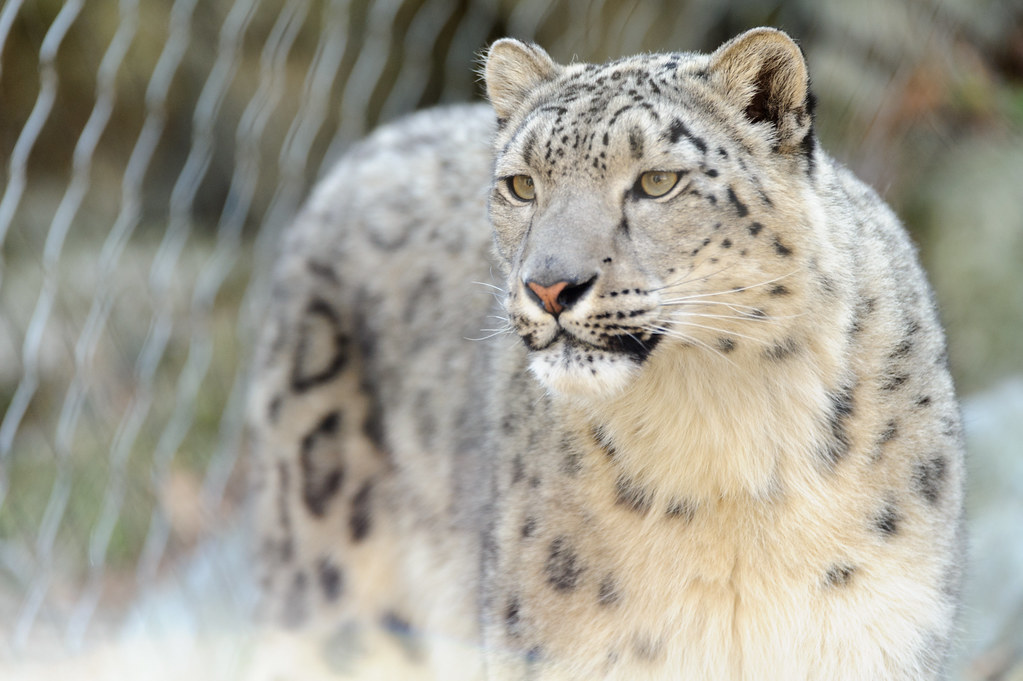
Snow leopards are solitary masters of the high mountains, perfectly adapted to freezing alpine environments with thick, smoky-grey fur patterned in dark rosettes. Their exceptionally long, thick tails provide balance on steep cliffs and wrap around their bodies for warmth during sleep. These elusive predators navigate rugged, rocky terrain with massive paws that act as natural snowshoes.
AlpineSolitaryCamouflaged
—observations
—countries
—peak records
VulnerableConservation statusIUCN Red List categoriesLCNTVUENCREWEXVulnerableRed List categories, explained →
Diet & preyBlue Sheep (Bharal), Siberian Ibex, Argali Wild Sheep
Predators
- Humans
- Gray Wolves
ThreatsPoaching, habitat fragmentation, climate change, and retaliatory killing by herders
HabitatsAlpine and subalpine zones, rocky cliffs, and high-altitude meadows
Life span10 to 12 years in the wild, up to 22 years in captivity
Classification
- OrderCarnivora
- FamilyFelidae
- GenusUncia
- SpeciesPanthera uncia
Native
Interaction riskHigh
- Low
- Moderate
- High
- Very high
- Why interaction risk is high
- A powerful predator capable of defensive attacks if cornered; maintain a safe distance.
- Why it is dangerous
- Equipped with powerful jaws, sharp claws, and immense leaping ability, this large carnivore can inflict fatal injuries if it feels threatened.
- How to recognize a risky encounter
- Look for a thick, smoky-grey coat with dark rosettes, an exceptionally long tail, and pale green or grey eyes.
- What to do
- Never approach, corner, or attempt to feed; back away slowly while maintaining eye contact if encountered.
- What to notice
- Recognizable by its pale, rosette-patterned fur and thick tail, inhabiting remote alpine zones above the tree line.
- Support conservation
- Report sightings to local conservation databases and avoid sharing precise GPS coordinates of active dens.
Responsible observation
- Keep your distance: Never attempt to approach, follow, or corner a wild cat.
- Use binoculars: Spotting these elusive cats requires high-powered optics and immense patience.
- Support local communities: Choose eco-tourism operators that actively fund livestock insurance programs for herders.
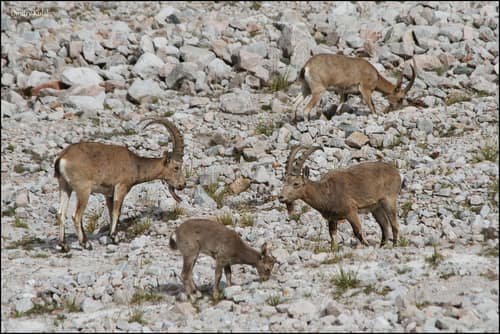
Primary Prey (c) Dmitry Kulakov, some rights reserved (CC BY), uploaded by Dmitry Kulakov · cc-by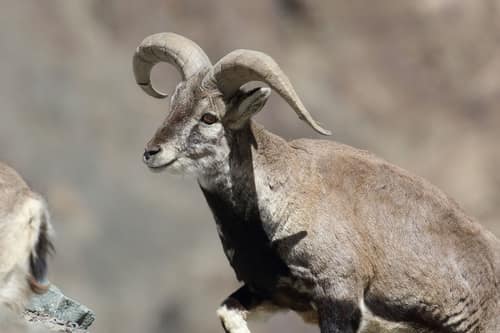
Primary Prey (c) Fabrice Stoger, some rights reserved (CC BY-SA) · cc-by-sa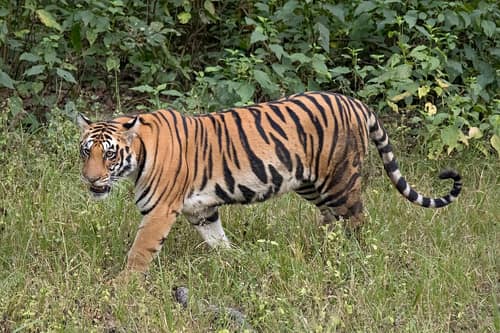
Close Relative Charles J. Sharp / CC BY-SA 4.0 · cc-by-sa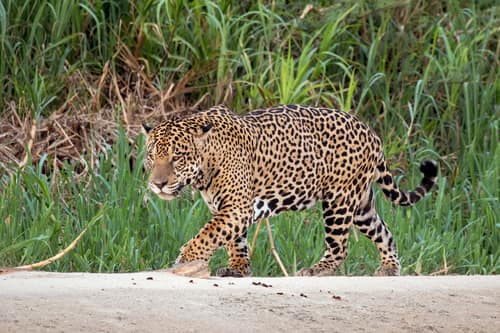
Close Relative (c) Charles J. Sharp , some rights reserved (CC BY-SA) · cc-by-sa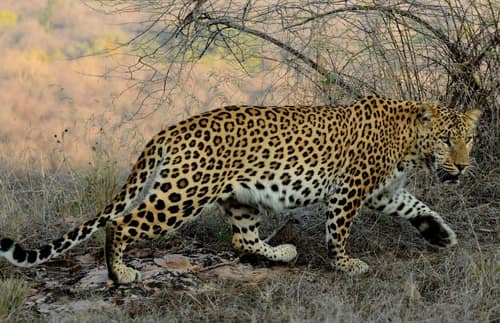
Close Relative (c) Raja bandi, some rights reserved (CC BY), uploaded by Raja bandi · cc-by
Help improve the field guideSomething wrong?
Checking your Fauna account…Report a name, category, or profile issue for review.