
Insect
Common Glow-worm
Lampyris noctilucaAlso known as European Glow-worm, Glow-worm
Common glow-worms are famous for the brilliant, yellowish-green light emitted by wingless females to attract flying males on warm summer nights. While the adult females resemble larvae and cannot fly, the smaller males possess fully functional wings and large, sensitive eyes adapted for spotting glows from above. The predatory larvae spend up to three years hunting snails and slugs before undergoing a brief, non-feeding adult stage.
BioluminescentNocturnalPredatory
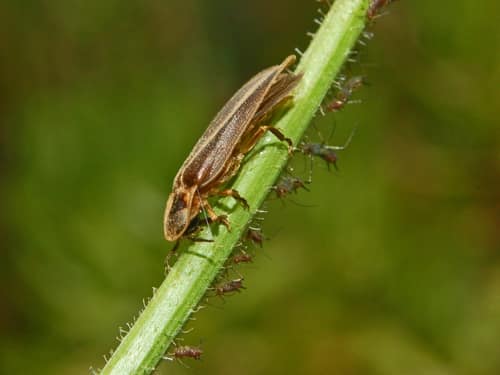
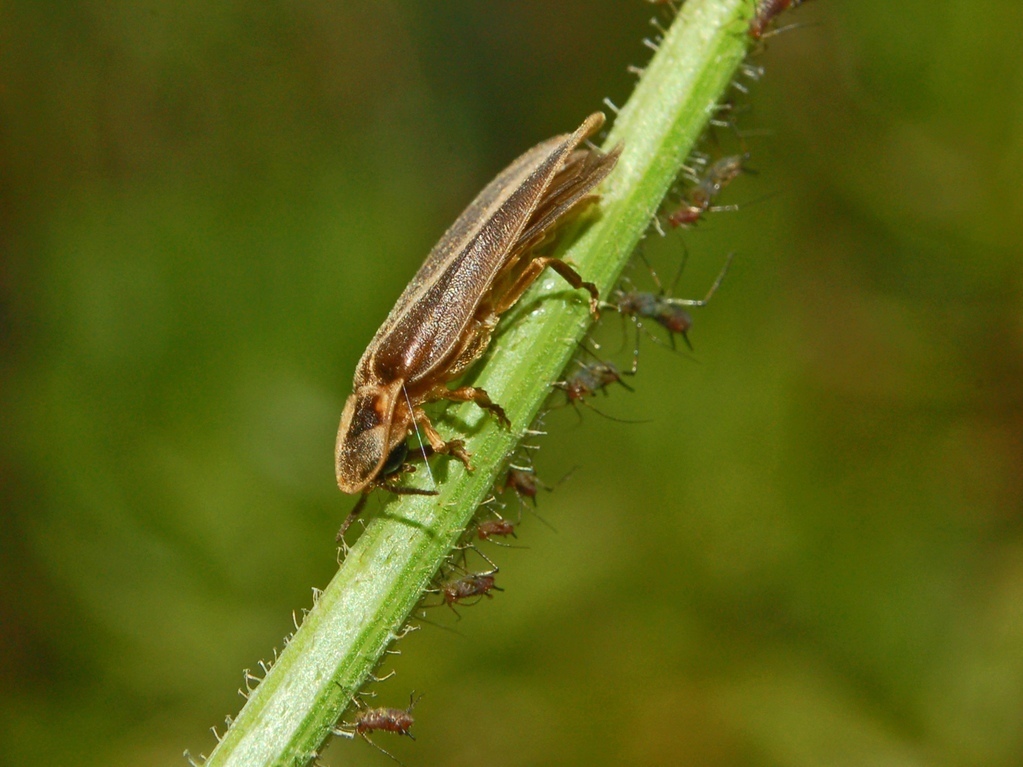
—observations
—countries
—peak records
Near ThreatenedConservation statusIUCN Red List categoriesLCNTVUENCREWEXNear ThreatenedRed List categories, explained →
Diet & preySnails, Slugs
Predators
- Toads
- Spiders
- Hedgehogs
ThreatsLight pollution, habitat fragmentation, pesticides, and decline of prey
HabitatsGrasslands, hedgerows, woodland edges, and limestone downs
Life span2 to 3 years
Classification
- FamilyLampyridae
- SpeciesLampyris noctiluca
Range data is not available yet.
Interaction riskLow
- Low
- Moderate
- High
- Very high
- Why interaction risk is low
- Safe to observe at a normal distance.
- What to notice
- Look for tiny, steady green lights shining from low vegetation or grass verges during summer nights.
- Support conservation
- Never shine bright lights directly on glowing females, and avoid handling them to prevent disrupting their short mating window.
Responsible observation
- Use red light: Avoid using white flashlights or phone screens, which disrupt their mating signals.
- Look on warm nights: Search grassy banks and hedgerows from June to July just after dusk.
- Watch your step: Keep to established paths to avoid trampling the wingless females on the ground.
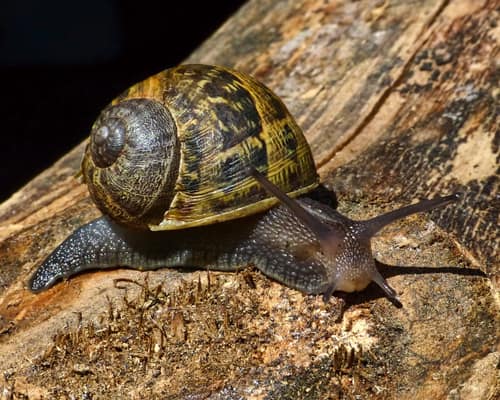
Prey "Garden Snail" by SidPix is licensed under CC BY 2.0. To view a copy of this license, visit https://creativecommons.org/licenses/by/2.0/. · cc-by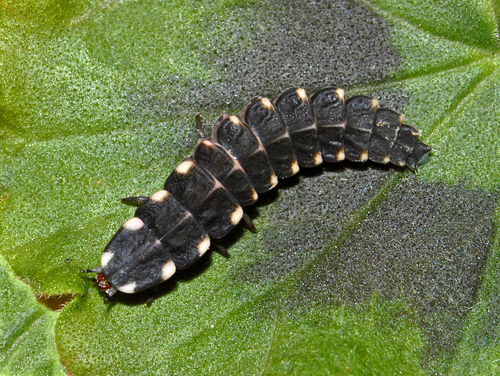
Close Relative (c) Hectonichus, some rights reserved (CC BY-SA) · cc-by-sa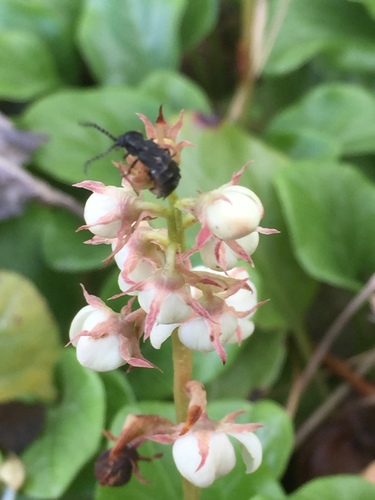
Close Relative (c) Andre Hosper, some rights reserved (CC BY) · cc-by
Help improve the field guideSomething wrong?
Checking your Fauna account…Report a name, category, or profile issue for review.