Invertebrate · GBIF taxon 5721235
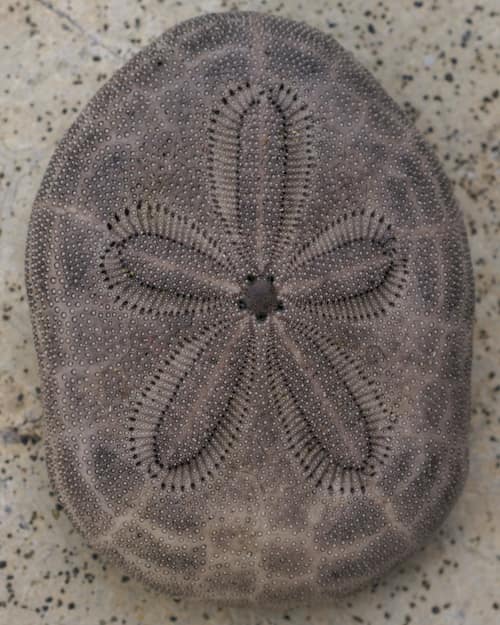
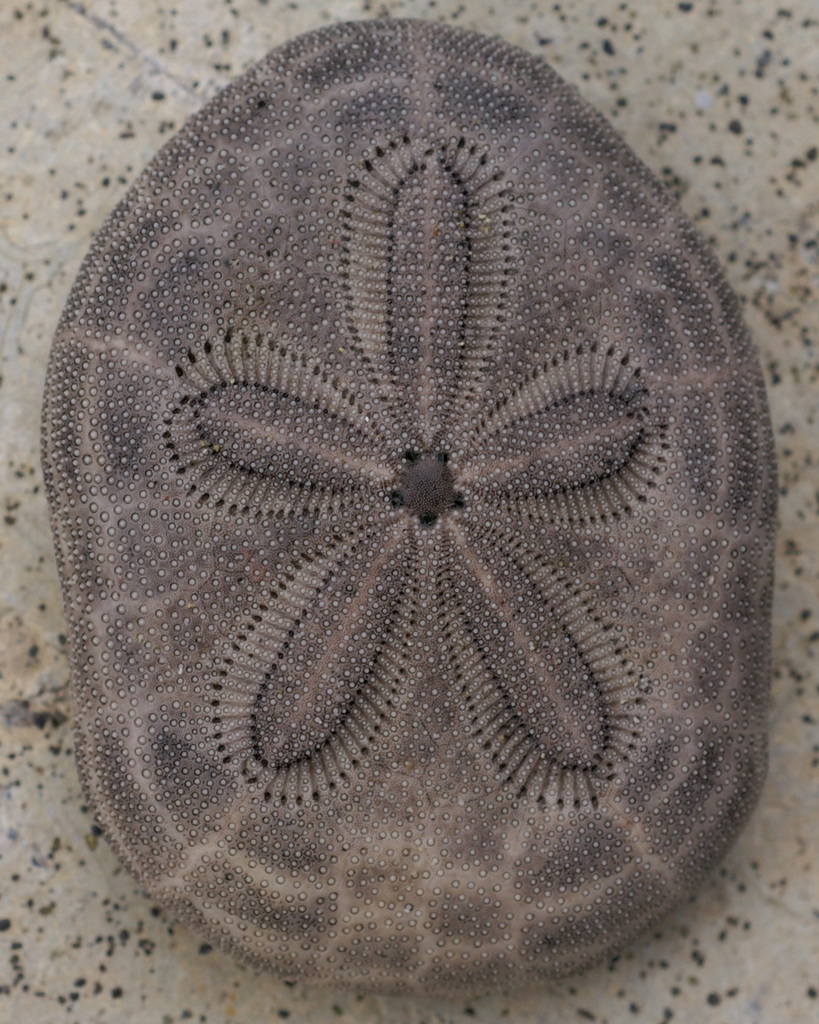
Clypeaster reticulatus
clypeaster reticulatusAlso known as Reticulated Sea Biscuit, Reticulate Sand Dollar, Network Sea Biscuit
Reticulated sea biscuits are small, flattened echinoderms characterized by an oval or pentagonal test with a distinctive raised central petal pattern. They burrow shallowly in sandy tropical sediments, using thousands of tiny, fur-like spines to crawl and sift for food. To protect themselves from predators and intense sunlight, they often cover their upper surfaces with a thin layer of sand grains and shell debris.
MarineBenthicInvertebrate

Licensed reference(c) B.navez, some rights reserved (CC BY-SA) · cc-by-sa
- diet
- Organic detritus, diatoms, and microalgae filtered from sandy sediment
- family
- Clypeasteridae
- threats
- Habitat destruction, coastal runoff, and ocean acidification
- life Span
- 5 to 10 years
NE
Safe to observe at a normal distance.
- Look for mounds: Scan shallow sandy flats for small, oval-shaped mounds where they may be buried.
- Handle gently: If picked up, handle with care to avoid damaging their delicate spines and return them immediately.
- Leave live ones: Ensure the sea biscuit is just an empty skeleton before collecting, as live ones have moving spines.