
Plant
Giant Chain Fern
Woodwardia fimbriataAlso known as Chain Fern, Western Chain Fern
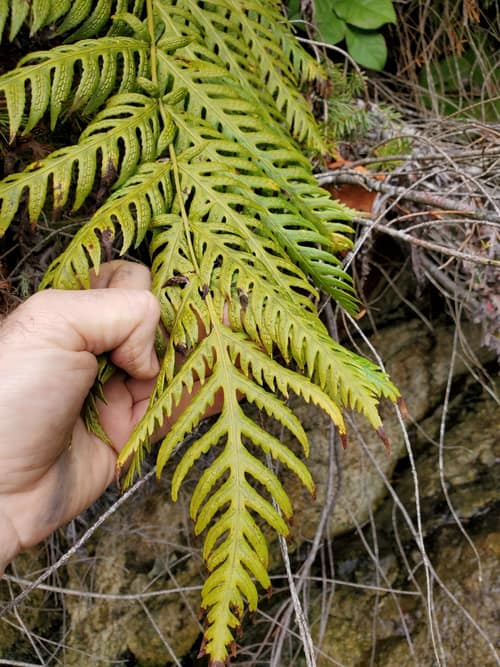
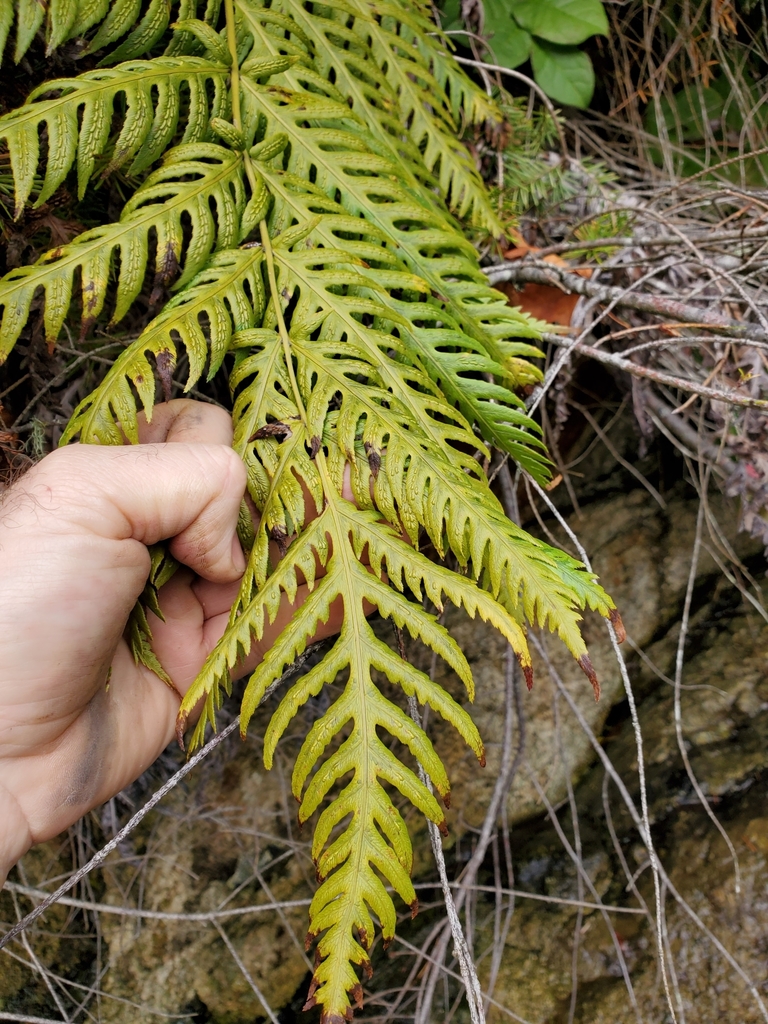
Towering up to nine feet in height, giant chain fern is the largest fern native to North America. Its massive fronds cascade over damp coastal bluffs, shaded stream banks, and spring-fed ravines, creating lush microhabitats for amphibians and moisture-loving invertebrates. The fern reproduces via linear spore clusters arranged like tiny link chains on the undersides of mature fronds.
EvergreenNorth American NativeGiant Fern
—observations
—countries
—peak records
Least ConcernConservation statusIUCN Red List categoriesLCNTVUENCREWEXLeast ConcernRed List categories, explained →
Diet & preySunlight, Water, Soil Minerals
Predators
- Slugs
- Snails
- Deer
ThreatsHabitat loss, drought, groundwater depletion, and climate change
HabitatsMoist coastal forests, stream banks, spring-fed ravines, and damp woodlands
Life spanPerennial (decades)
Classification
- FamilyBlechnaceae
- SpeciesWoodwardia fimbriata
Range data is not available yet.
Interaction riskLow
- Low
- Moderate
- High
- Very high
- Why interaction risk is low
- Safe to observe at a normal distance.
Responsible observation
- Lush Landscaping: Plant in rich, moist soil with partial shade to mimic its natural streamside habitat.
- Frond Care: Leave old fronds in place through winter to insulate the central root crown.
- Spore Observation: Look under mature leaves in late summer to see the chain-like spore patterns.
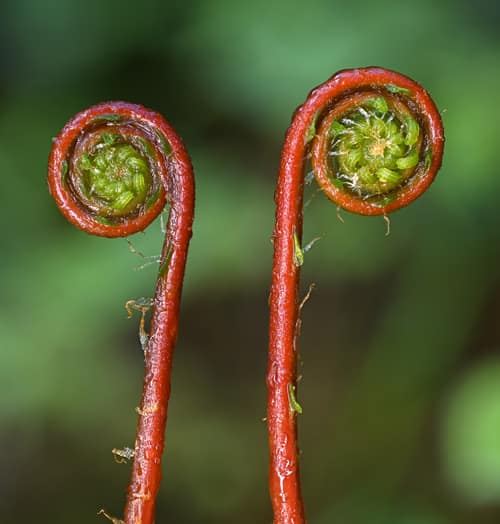
Co-occurring Fern (c) Alan Rockefeller, some rights reserved (CC BY), uploaded by Alan Rockefeller · cc-by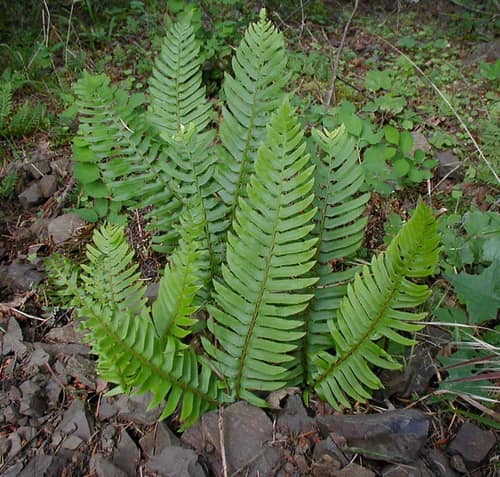
Frequent Companion Jami Dwyer / CC BY-SA 2.0 · cc-by-sa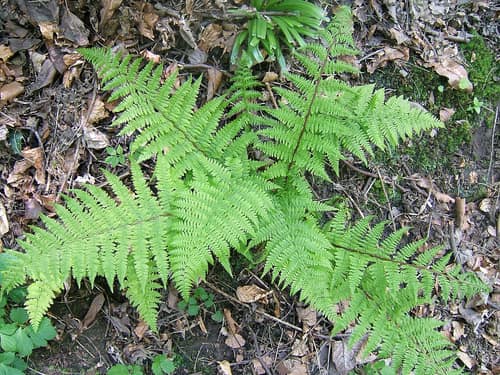
Co-occurring Fern No machine-readable author provided. MPF assumed (based on copyright claims). / CC BY 2.5 · cc-by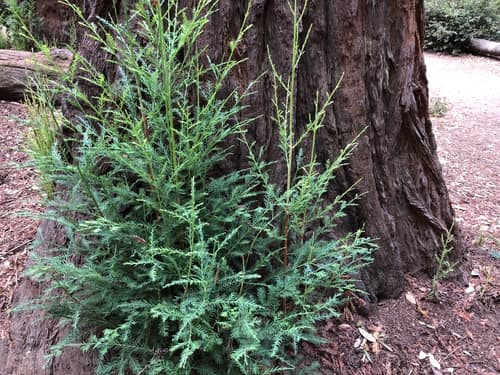
Canopy Partner (c) Miguel Vieira, some rights reserved (CC BY), uploaded by Miguel Vieira · cc-by
Help improve the field guideSomething wrong?
Checking your Fauna account…Report a name, category, or profile issue for review.