
Plant
Common Polypody
Polypodium vulgareAlso known as Adder's Fern, Wood Licorice, Golden Maidenhair, Wall Fern
Common polypody is a resilient evergreen fern that anchors itself to mossy rocks, tree trunks, and stone walls via creeping, scale-covered rhizomes. Its deeply divided, leathery fronds remain vibrant throughout the winter, providing vital green cover in temperate woodlands. During late summer and autumn, bright yellow-orange circular spore cases called sori develop in neat rows on the undersides of the leaves.
EvergreenEpiphyticShade-Loving
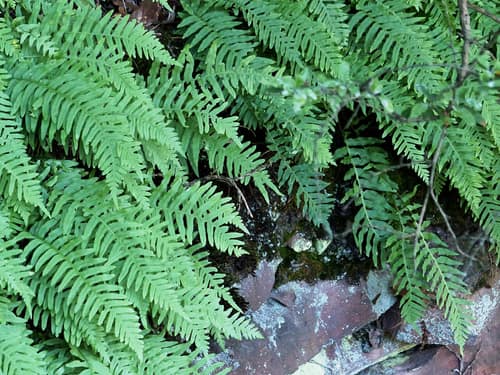
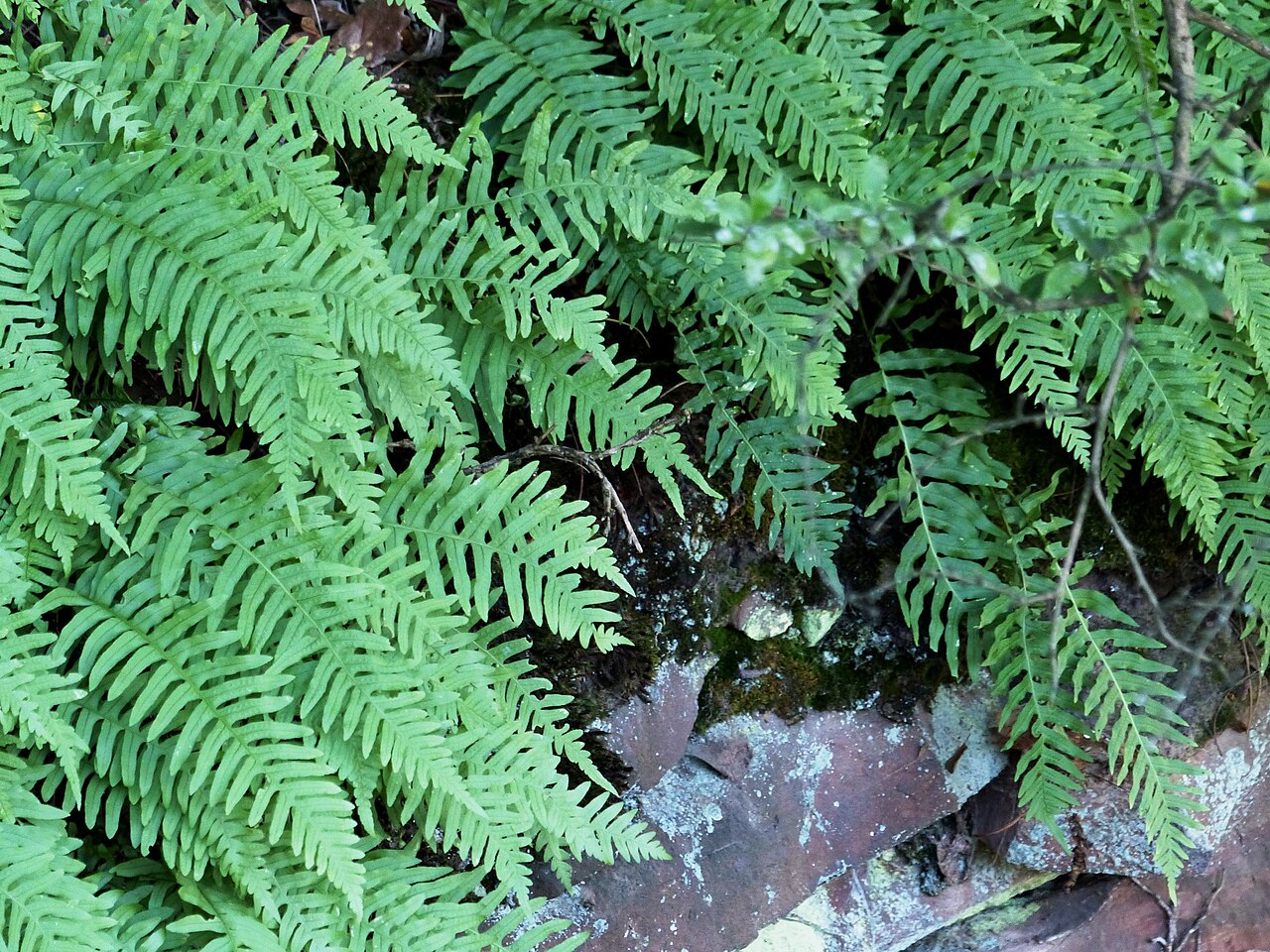
—observations
—countries
—peak records
Least ConcernConservation statusIUCN Red List categoriesLCNTVUENCREWEXLeast ConcernRed List categories, explained →
Diet & preyAutotrophic (Photosynthetic)
Predators
- Slugs
- Snails
- Woodlice
ThreatsHabitat destruction, over-harvesting for horticulture, extreme droughts
HabitatsDeciduous woodlands, rocky cliffs, stone walls, mossy tree trunks
Life spanPerennial (Rhizomes can live for decades)
Classification
- FamilyPolypodiaceae
- SpeciesPolypodium vulgare
Range data is not available yet.
Interaction riskLow
- Low
- Moderate
- High
- Very high
- Why interaction risk is low
- Safe to observe at a normal distance.
Responsible observation
- Check the undersides: Look beneath the fronds in late summer to see the bright orange, circular spore cases arranged in neat rows.
- Examine the rhizome: Notice the creeping, scale-covered rhizomes that allow this fern to scale vertical rock faces and tree trunks.
- Observe winter resilience: Look for this plant during winter hikes, as its evergreen fronds stand out when other vegetation has died back.
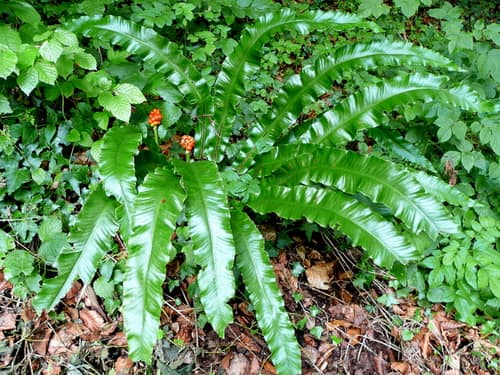
Frequent Companion Jonathan Billinger / CC BY-SA 2.0 · cc-by-sa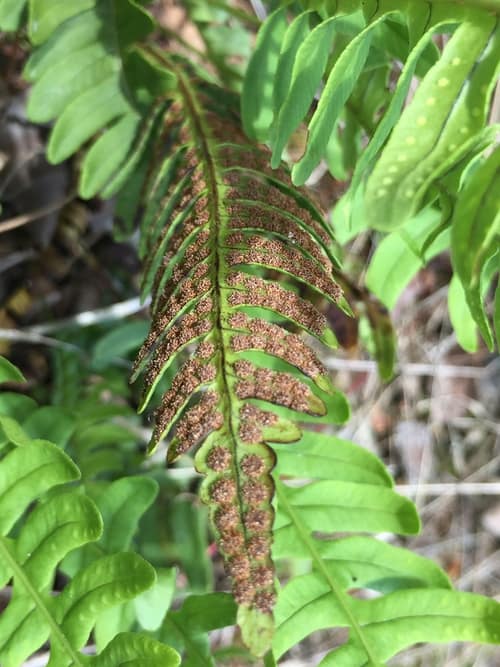
Close Relative (c) Mary Krieger, some rights reserved (CC BY) · cc-by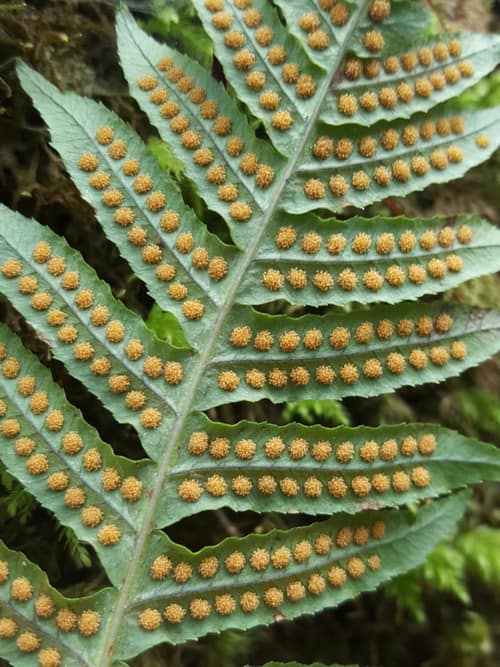
Close Relative (c) Alex Abair, some rights reserved (CC BY), uploaded by Alex Abair · cc-by Image unavailable
Close Relative
Help improve the field guideSomething wrong?
Checking your Fauna account…Report a name, category, or profile issue for review.