
Fungus
Honeycomb Polypore
Favolus brasiliensisAlso known as White Hexagonal-pored Fungus
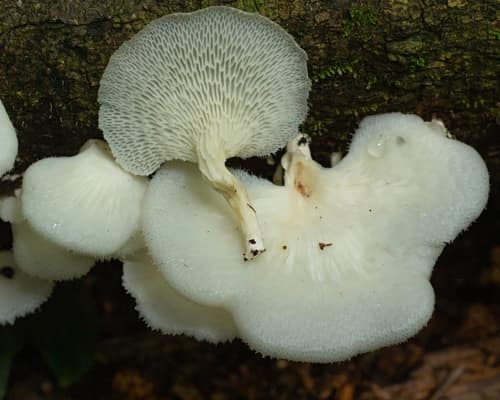
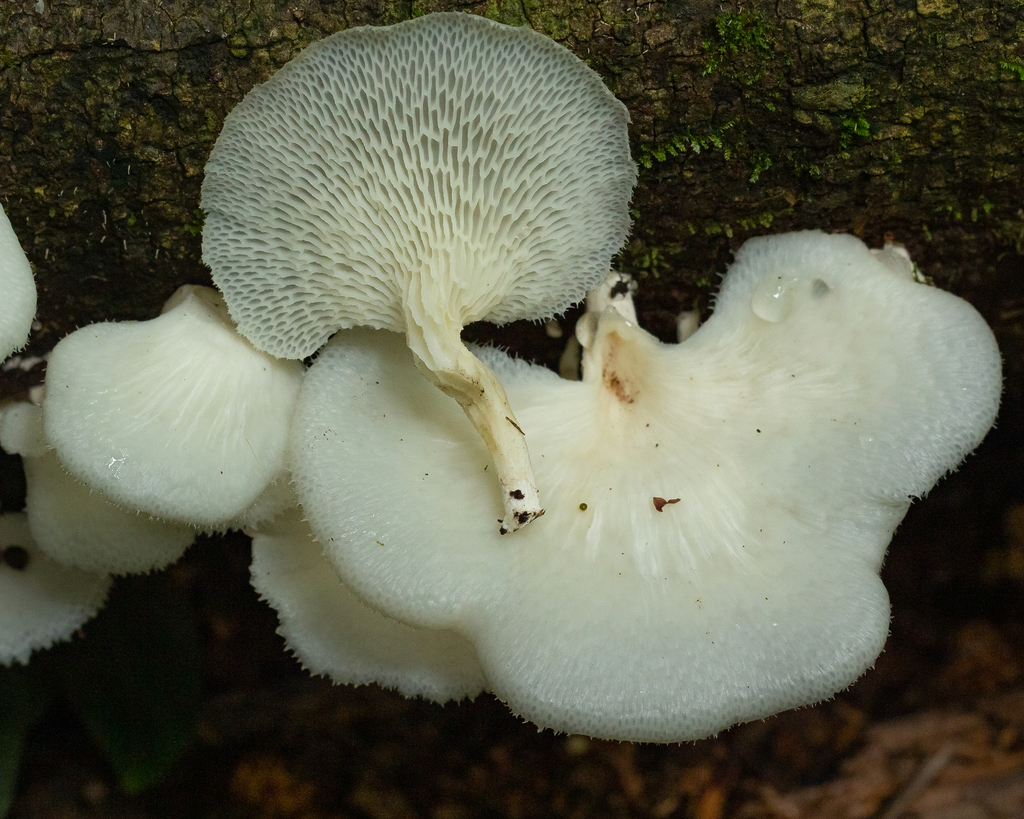
This striking wood-decaying fungus stands out in tropical and subtropical forests with its fan-shaped, cream-colored caps and remarkably large, hexagonal pores underneath. It plays a vital ecological role by breaking down dead hardwood branches and recycling nutrients back into the forest soil. The tough, leathery fruiting bodies often sprout in clusters after heavy rains, clinging tightly to fallen logs.
SaprotrophicWood-decayingTropical
—observations
—countries
—peak records
Not EvaluatedConservation statusIUCN Red List categoriesLCNTVUENCREWEXNot Evaluated — not placed on the risk ladderRed List categories, explained →
Diet & preyDecaying wood, Lignin, Cellulose
Predators
- Fungus gnats
- Beetles
- Slugs
ThreatsDeforestation and loss of coarse woody debris
HabitatsTropical and subtropical moist forests, woodlands
Life spanMycelium lives for years; fruiting bodies persist for several weeks
Classification
- FamilyPolyporaceae
- SpeciesFavolus brasiliensis
Range data is not available yet.
Interaction riskLow
- Low
- Moderate
- High
- Very high
- Why interaction risk is low
- Many edible mushrooms have toxic look-alikes; never eat wild fungi based on app identification alone.
Responsible observation
- Inspect the underside: Gently tilt the cap to observe the beautiful, honeycomb-like hexagonal pore structure.
- Check decaying logs: Look for these fan-shaped caps on fallen hardwood branches in damp, shaded forest areas.
- Leave undisturbed: Allow the fruiting bodies to remain in place to release spores and continue decomposing wood.
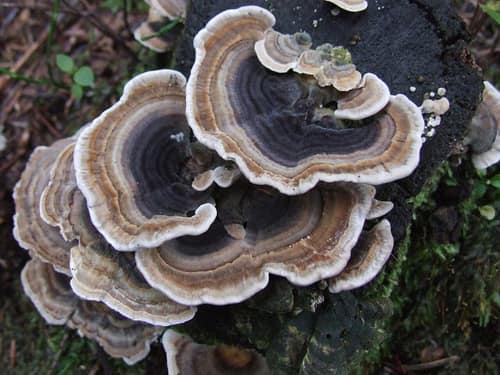
Co-occurring Polypore Jerzy Opioła / CC BY-SA 3.0 · cc-by-sa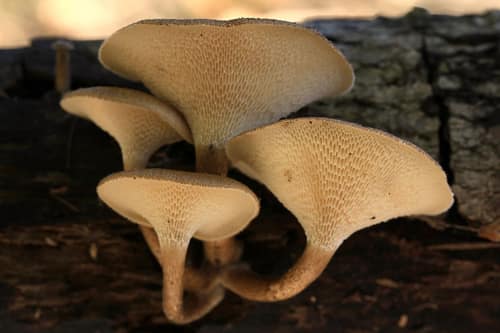
Close Relative Rocky Houghtby from Chicago, Il, USA / CC BY 2.0 · cc-by
Help improve the field guideSomething wrong?
Checking your Fauna account…Report a name, category, or profile issue for review.