
Fungus
Almond Mushroom
Agaricus subrufescensAlso known as Almond Agaric, Himematsutake, Royal Sun Agaric, Fiery Mushroom
Almond mushrooms emerge during warm seasons from rich leaf litter and composted soil, distinguished by a silky white to brown-speckled cap and a strong fragrance reminiscent of crushed almonds. As the umbrella-shaped cap expands, the underside gills shift from pale greyish pink to a rich chocolate brown as spores mature. This saprotrophic species plays a vital role in forest and garden ecosystems by breaking down decaying plant matter.
FungusAromaticSaprotrophic
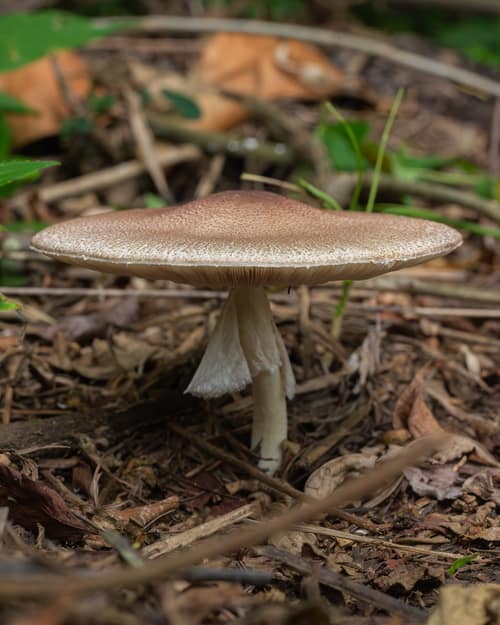
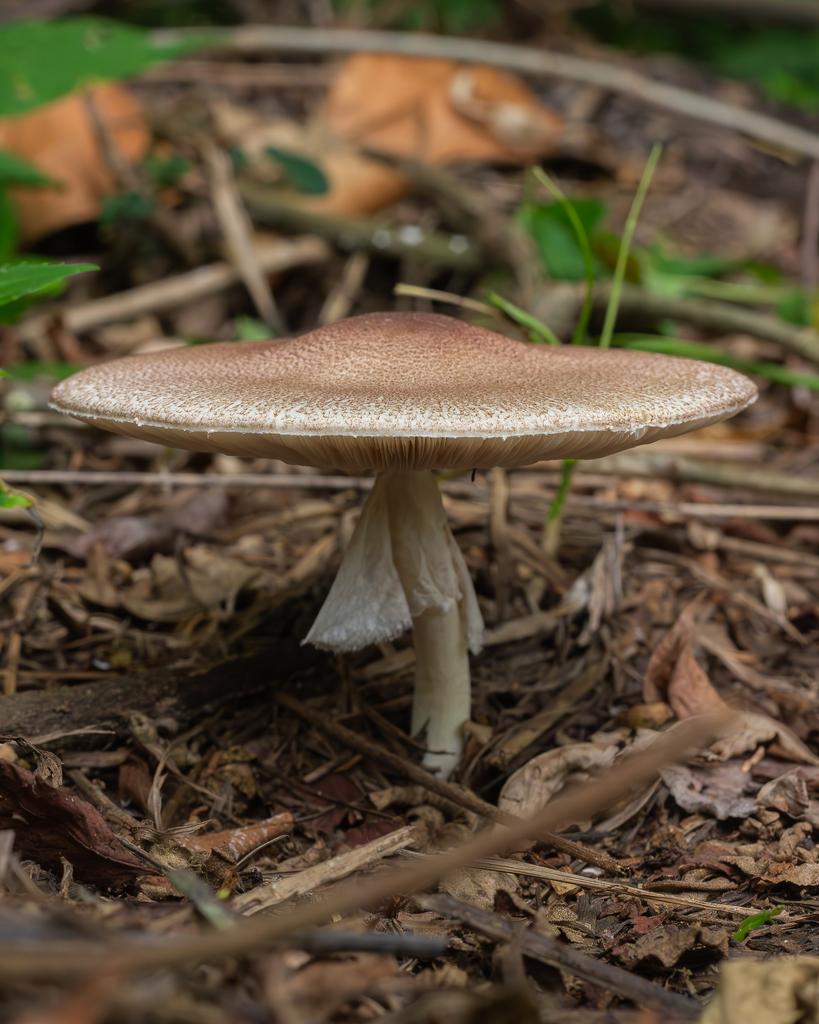
—observations
—countries
—peak records
Not EvaluatedConservation statusIUCN Red List categoriesLCNTVUENCREWEXNot Evaluated — not placed on the risk ladderRed List categories, explained →
Diet & preyDecaying Leaf Litter, Woody Debris, Soil Microbes
Predators
- Fungus Gnats
- Slugs
- Rodents
ThreatsHabitat disruption, soil contamination
HabitatsForest litter, rich soils, compost, disturbed woodland edges
Life spanFruiting body lasts 4–10 days; mycelium persists indefinitely
Classification
- FamilyAgaricaceae
- SpeciesAgaricus subrufescens
Range data is not available yet.
Interaction riskLow
- Low
- Moderate
- High
- Very high
- Why interaction risk is low
- Many wild mushrooms have toxic look-alikes; never harvest or ingest wild fungi based on app identification alone.
Responsible observation
- Scent Check: Gently rub the cap or stem base to check for the distinctive aroma of sweet almonds.
- Inspect Gills: Observe how the gills change color from pale pink to dark chocolate brown as the cap matures.
- Habitat Scouting: Look around compost heaps and rich leaf litter following warm summer rains.
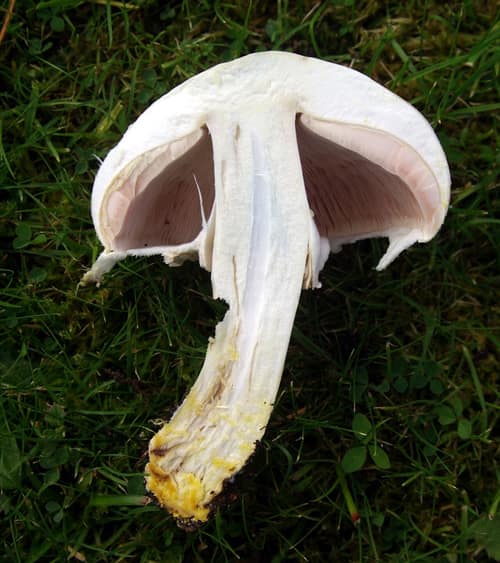
Toxic Look-Alike Velella / CC BY-SA 3.0 · cc-by-sa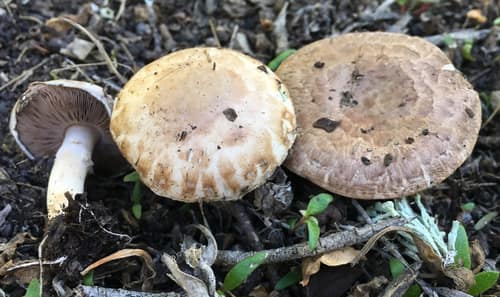
Close Relative (c) Adam J. Searcy, some rights reserved (CC BY), uploaded by Adam J. Searcy · cc-by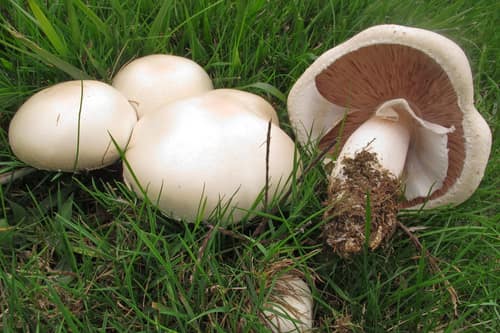
Close Relative (c) anonymous, some rights reserved (CC BY-SA) · cc-by-sa
Help improve the field guideSomething wrong?
Checking your Fauna account…Report a name, category, or profile issue for review.