
Bird
Long-tailed Mockingbird
Mimus longicaudatusLong-tailed Mockingbirds are conspicuous, slender songbirds of western South America, easily recognized by their exceptionally long, graduated tails and bold white wing patches. They are highly vocal and energetic, frequently singing from prominent perches like fence posts, cacti, or low trees in arid scrublands. Bold and curious, they often forage on the ground for insects and berries while flashing their wings to flush out hidden prey.
VocalistArid ScrublandLong-tailed
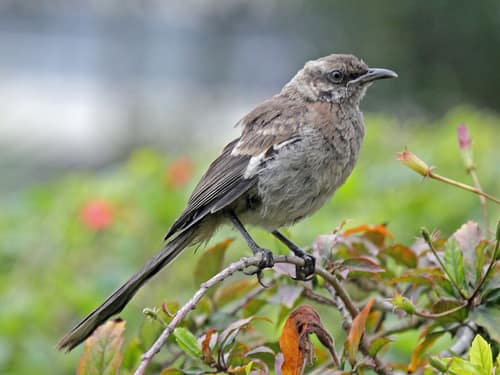
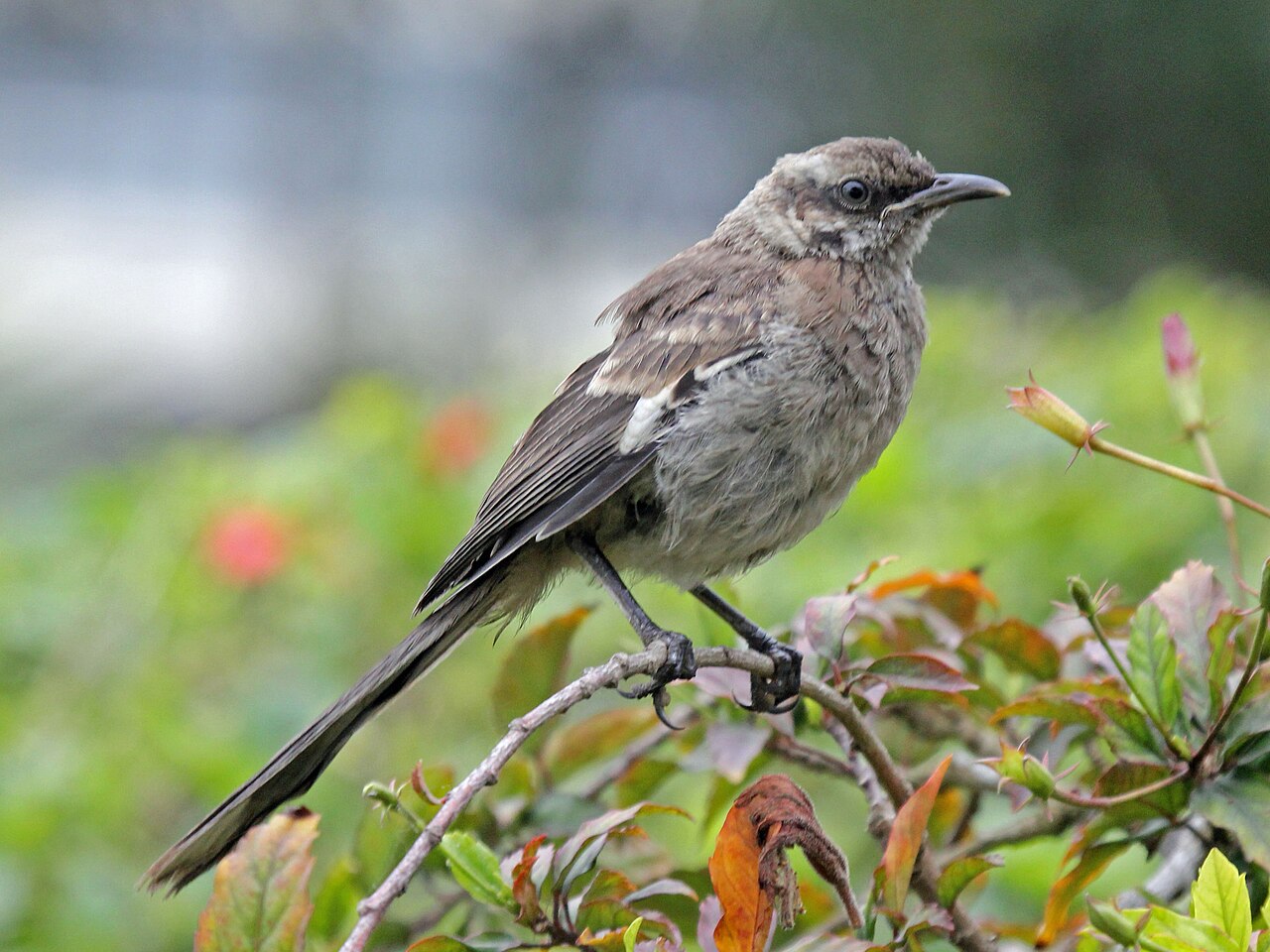
—observations
—countries
—peak records
Least ConcernConservation statusIUCN Red List categoriesLCNTVUENCREWEXLeast ConcernRed List categories, explained →
Diet & preyInsects, Berries, Small Lizards
Predators
- Raptors
- Snakes
- Feral Cats
ThreatsHabitat loss from agricultural expansion and urbanization
HabitatsDry scrublands, desert borders, agricultural areas, and suburban gardens
Life span6 to 10 years
Classification
- FamilyMimidae
- SpeciesMimus longicaudatus
Range data is not available yet.
Interaction riskLow
- Low
- Moderate
- High
- Very high
- Why interaction risk is low
- Safe to observe at a normal distance.
Responsible observation
- Listen for mimicry: Sit quietly near dry scrub or gardens to hear their complex songs, which often incorporate calls of other local birds.
- Watch the ground: Look for their characteristic wing-flashing behavior as they run along the ground to startle insects.
- Keep your distance: Avoid approaching active nests in low thorny bushes to prevent stressing the breeding pair.
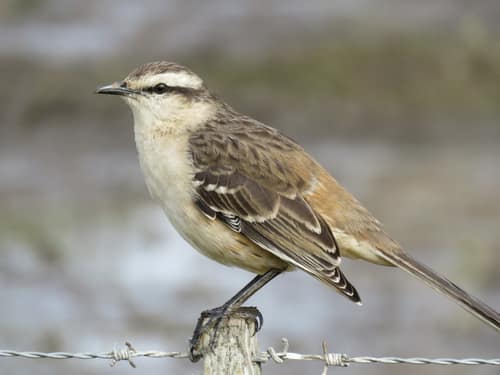
Close Relative (c) Nicolas Olejnik, some rights reserved (CC BY), uploaded by Nicolas Olejnik · cc-by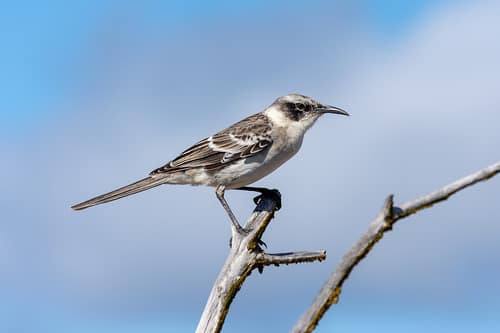
Close Relative © Nicolas Völcker / CC BY-SA 4.0 · cc-by-sa Image unavailable
Close Relative 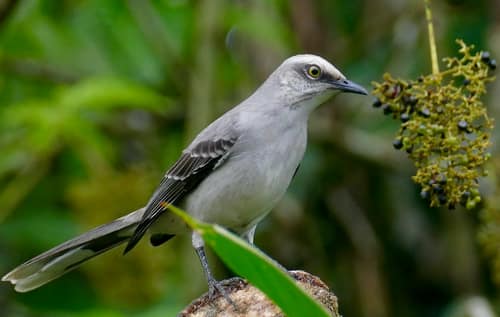
Close Relative "Tropical Mockingbird (Mimus gilvus)" by Bernard DUPONT is licensed under CC BY-SA 2.0. To view a copy of this license, visit https://creativecommons.org/licenses/by-sa/2.0/. · cc-by-sa
Help improve the field guideSomething wrong?
Checking your Fauna account…Report a name, category, or profile issue for review.