
Bird
American White Pelican
Pelecanus erythrorhynchosAlso known as Rough-billed Pelican, White Pelican
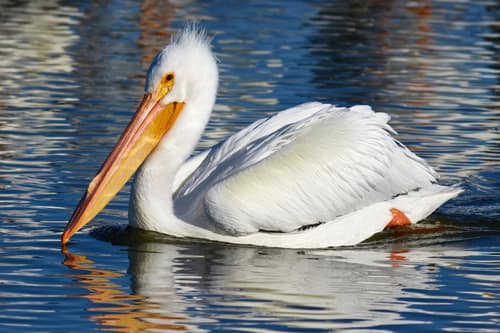
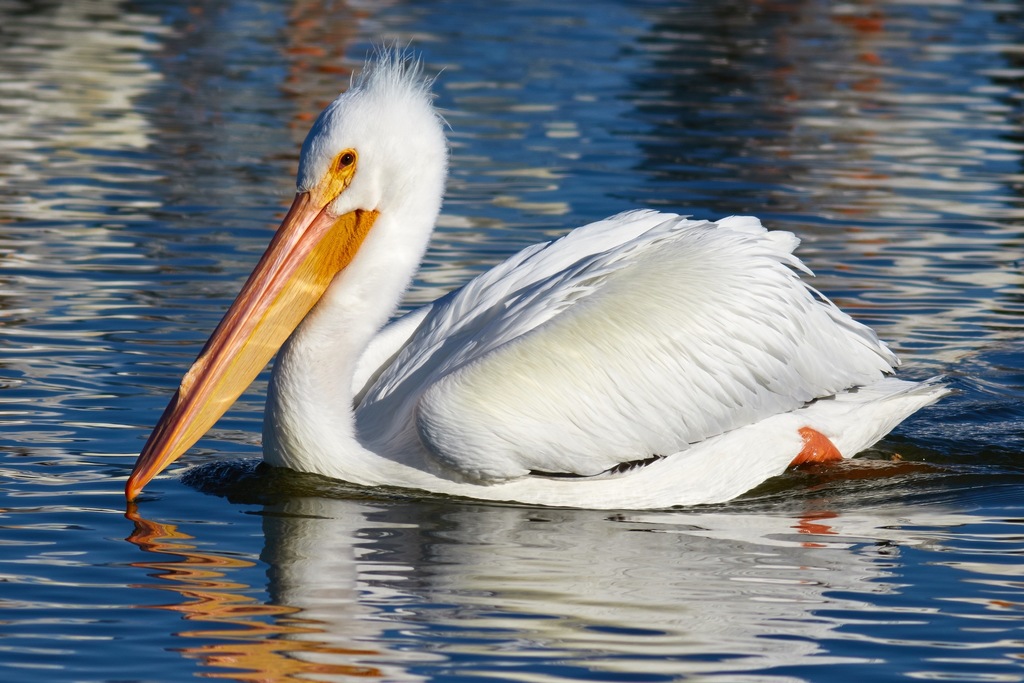
American white pelicans rank among the largest birds in North America, boasting massive wingspans that allow them to soar effortlessly over immense distances. Unlike brown pelicans, they never plunge-dive, instead dipping their broad yellow pouches into shallow water to herd fish cooperatively in synchronized feeding groups. During the spring breeding season, adults develop a prominent fibrous horn on their upper beak that sheds after egg laying.
SoaringColonialAquatic
—observations
—countries
—peak records
Least ConcernConservation statusIUCN Red List categoriesLCNTVUENCREWEXLeast ConcernRed List categories, explained →
Diet & preyMinnows, Crayfish, Salamanders
Predators
- Coyotes
- Red foxes
- Bald eagles
ThreatsNesting site disturbance, wetland loss, water pollution
HabitatsLakes, rivers, wetlands, coastal bays
Life span15–30 years
Classification
- OrderPelecaniformes
- FamilyPelecanidae
- GenusPelecanus
- SpeciesPelecanus erythrorhynchos
Range data is not available yet.
Interaction riskLow
- Low
- Moderate
- High
- Very high
- Why interaction risk is low
- Safe to observe at a normal distance.
- What to notice
- Recognized by bright white plumage, black wingtips, yellow pouches, and massive ten-foot wingspans.
- Support conservation
- Maintain a distance of several hundred meters from nesting islands and never flush flocks from lake margins.
Responsible observation
- Observe Nesting Sites: Stay far back from island colonies because human intrusion causes adults to abandon eggs.
- Watch Group Foraging: Scan shallow lake margins to witness synchronized horseshoe herding behavior.
- Look for Beak Horns: Check bill tops in late spring to spot adults in peak breeding condition.
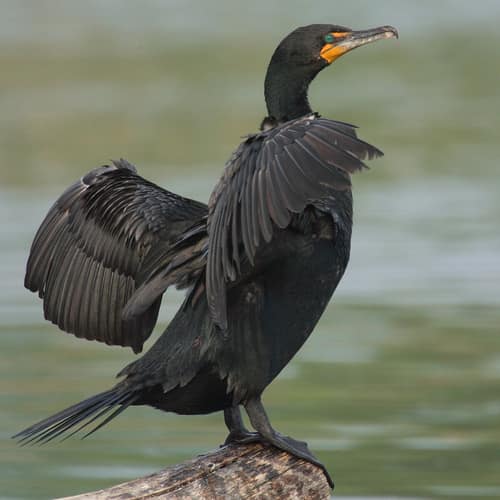
Frequent Companion Mdf / CC BY-SA 3.0 · cc-by-sa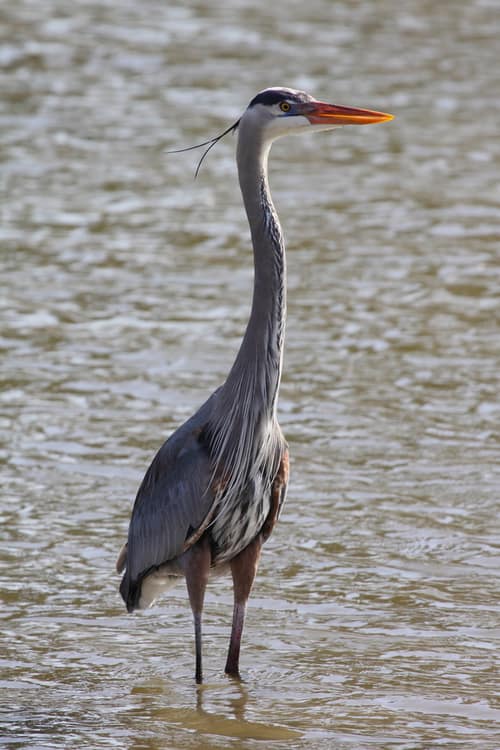
Competitor (c) Basar, some rights reserved (CC BY-SA) · cc-by-sa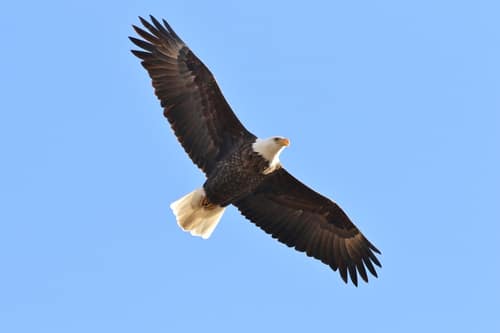
Predator (c) Thibaud Aronson, some rights reserved (CC BY-SA), uploaded by Thibaud Aronson · cc-by-sa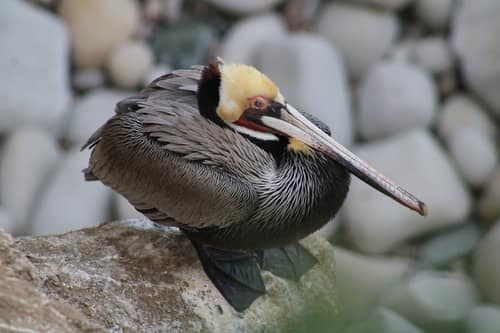
Close Relative (c) Henrik Kibak, some rights reserved (CC BY), uploaded by Henrik Kibak · cc-by
Help improve the field guideSomething wrong?
Checking your Fauna account…Report a name, category, or profile issue for review.