
Mammal
Llama
Lama glamaAlso known as Domestic Llama
Llamas are social, highly adaptable herd animals that communicate through subtle body postures, ear movements, and gentle humming calls. Descended from wild guanacos thousands of years ago, they possess specialized three-chambered stomachs and hemoglobin-rich blood suited for low-oxygen high-altitude environments. When threatened or annoyed, individuals pin back their ears and may spit regurgitated stomach contents to establish dominance.
DomesticatedPack AnimalHerbivore
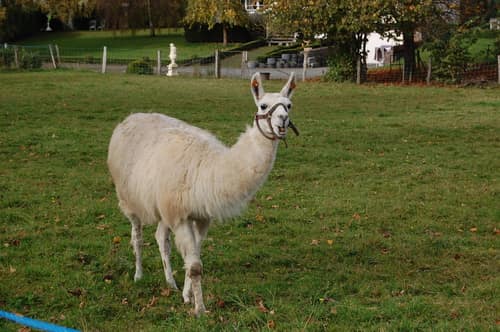
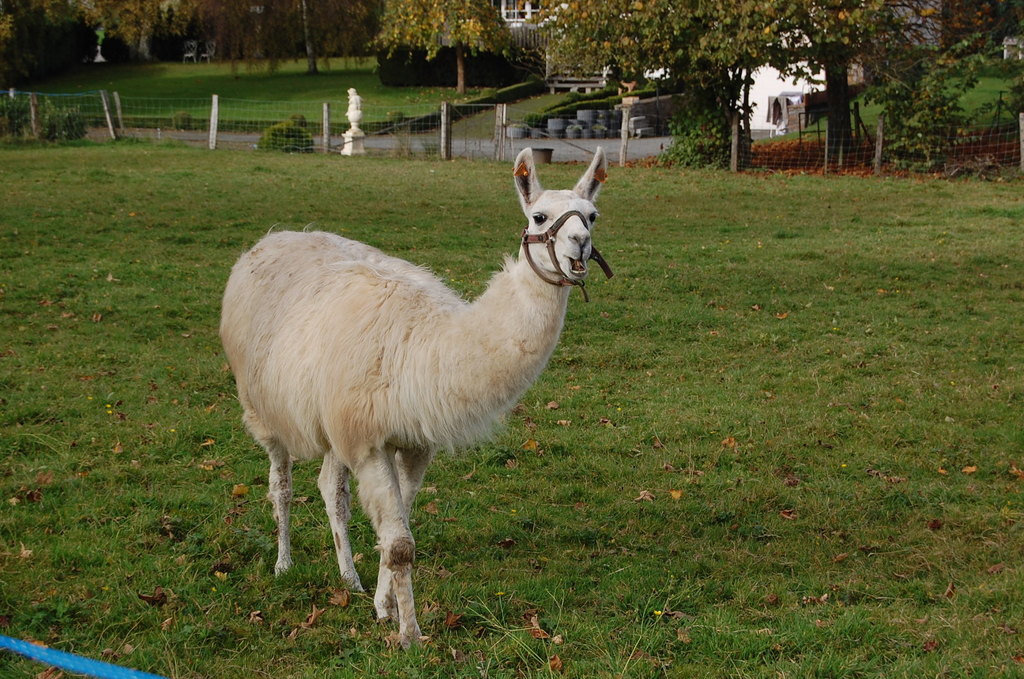
—observations
—countries
—peak records
Not EvaluatedConservation statusIUCN Red List categoriesLCNTVUENCREWEXNot Evaluated — not placed on the risk ladderRed List categories, explained →
Diet & preyGrasses, Sedges, Shrub Leaves
Predators
- Puma
- Andean Condor
- Feral Dog
ThreatsHabitat loss, competition with livestock, and puma predation
HabitatsHigh-altitude grasslands, montane shrublands, and pastures
Life span15–25 years
Classification
- OrderArtiodactyla
- FamilyCamelidae
- GenusLama
- SpeciesLama glama
Range data is not available yet.
Interaction riskHigh
- Low
- Moderate
- High
- Very high
- Why interaction risk is high
- May spit or kick if cornered or provoked; observe quietly from a comfortable distance.
Responsible observation
- Body Language: Watch their ears, as ears pinned flat back indicate irritation or impending spitting.
- Keep Distance: Avoid approaching unfamiliar animals abruptly, especially during feeding or around young.
- Respect Space: Give adult males plenty of room, as overly habituated llamas can exhibit dominant herd behavior.
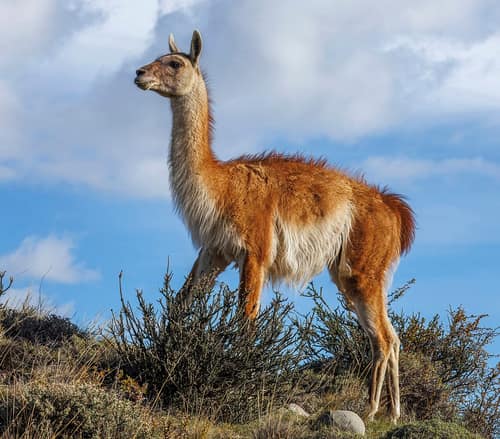
Wild Ancestor Charles J. Sharp / CC BY-SA 4.0 · cc-by-sa
Predator National Park Service / Public domain · cc0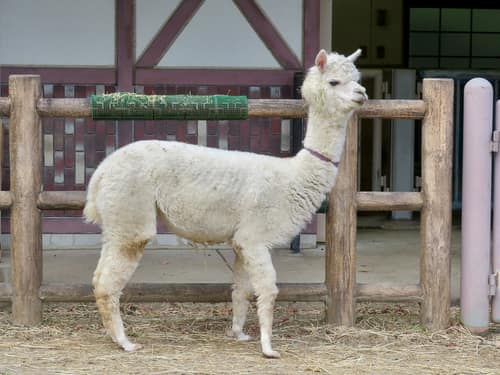
Close Relative KKPCW / CC BY-SA 4.0 · cc-by-sa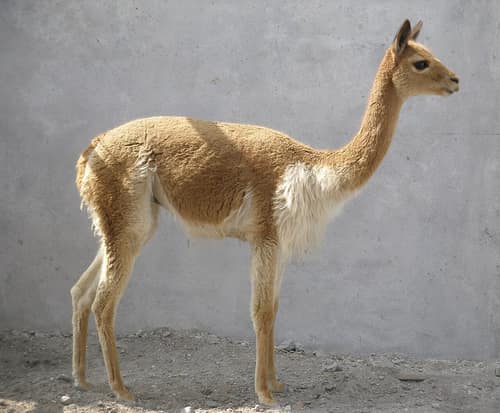
Wild Relative Thomas Quine / CC BY 2.0 · cc-by
Help improve the field guideSomething wrong?
Checking your Fauna account…Report a name, category, or profile issue for review.