
Mammal
Giant Armadillo
Priodontes maximusAlso known as Tatu-canastra, Ocarro, Tatu Carreta, Tatou
Giant armadillos are elusive, solitary ecosystem engineers that excavate burrows up to five meters deep using an extraordinarily enlarged third claw. These massive subterranean dens provide critical thermal refuges and shelter for dozens of other vertebrate species, from ocelots to peccaries. Highly nocturnal and rarely glimpsed, they spend their nights roaming vast home ranges to tear open fortified termite mounds and subterranean ant colonies with immense physical strength.
NocturnalBurrowerArmored
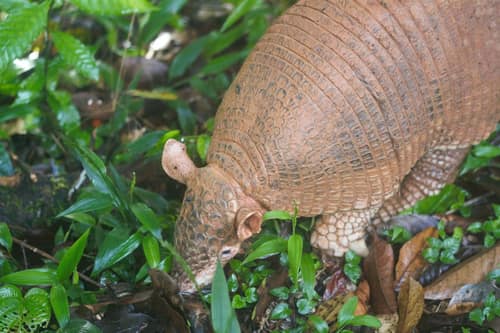
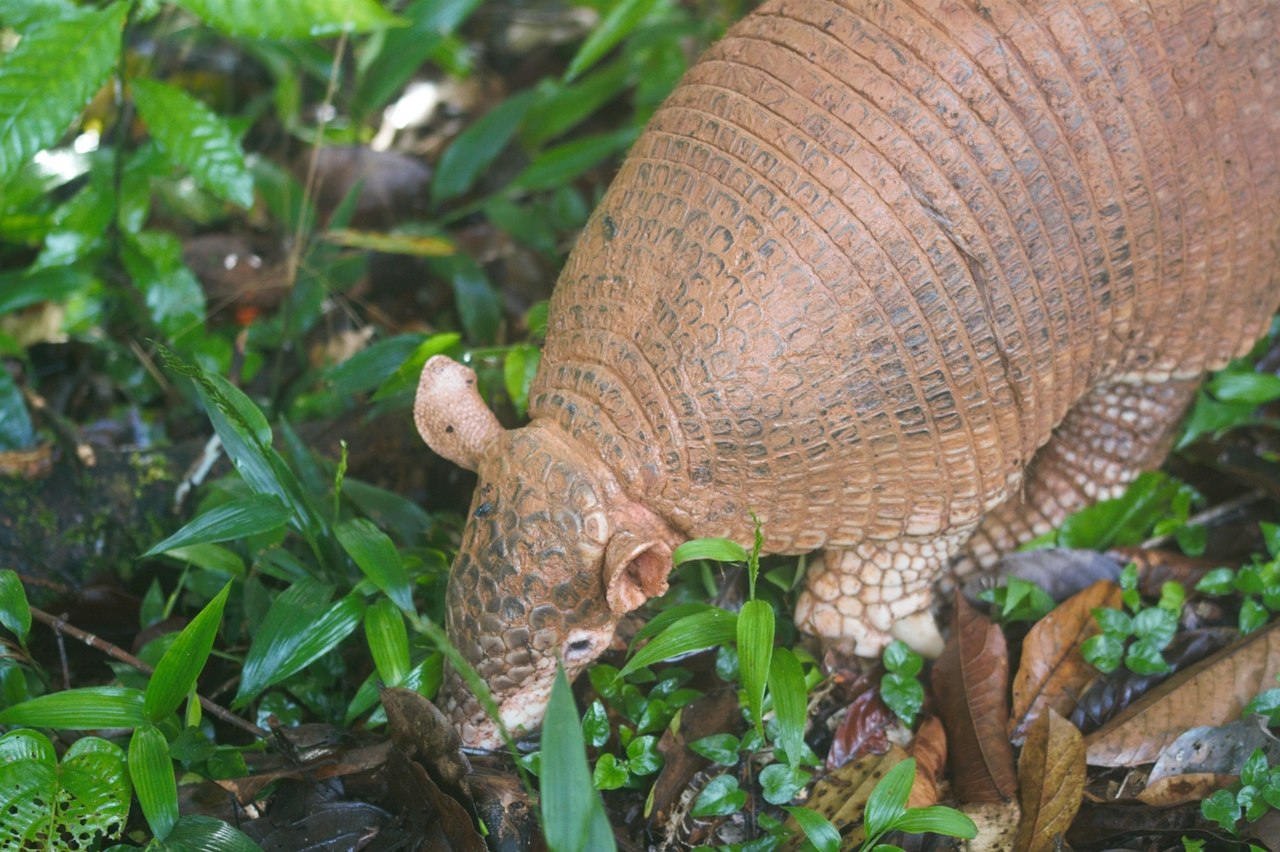
—observations
—countries
—peak records
VulnerableConservation statusIUCN Red List categoriesLCNTVUENCREWEXVulnerableRed List categories, explained →
Diet & preyTermites, Ants, Beetle larvae
Predators
- Jaguar
- Puma
ThreatsHabitat loss from agricultural expansion, road mortality, and hunting for meat
HabitatsTropical rainforests, Cerrado savannahs, Chaco woodlands, and open grasslands
Life span12–15 years in the wild
Classification
- FamilyDasypodidae
- SpeciesPriodontes maximus
Native
Interaction riskHigh
- Low
- Moderate
- High
- Very high
- Why interaction risk is high
- Carries massive front claws capable of inflicting severe wounds if cornered; observe from a respectful distance.
- Why it is dangerous
- Possesses sickle-shaped central claws reaching up to twenty centimeters long, which can cause severe deep lacerations during defensive thrashing.
- How to recognize a risky encounter
- Recognizable by immense bulk, dark brown carapace with a distinct pale yellowish lower border, and huge front digging claws.
- What to do
- Never corner, touch, or attempt to block an individual entering or exiting a burrow.
- What to notice
- Distinguished by huge size, distinct armored bands across the back, and freshly mounded dirt outside expansive burrows.
- Support conservation
- Keep artificial lighting to a minimum around active burrows and log coordinates with regional wildlife monitoring projects.
Responsible observation
- Camera Traps: Install motion-activated infrared cameras near termite mounds to observe nocturnal activity without disturbance.
- Burrow Signs: Identify their presence by spotting oversized burrow entrances measuring over thirty centimeters in diameter.
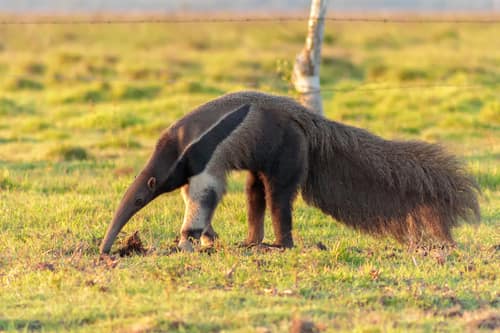
Competitor (c) Fernando Flores, some rights reserved (CC BY-SA) · cc-by-sa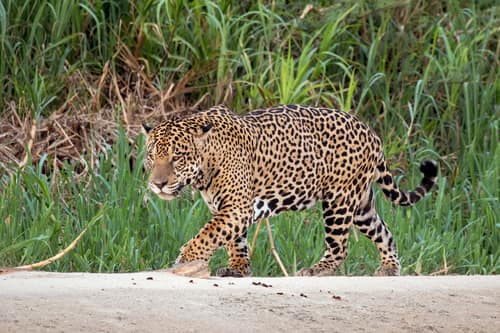
Predator (c) Charles J. Sharp , some rights reserved (CC BY-SA) · cc-by-sa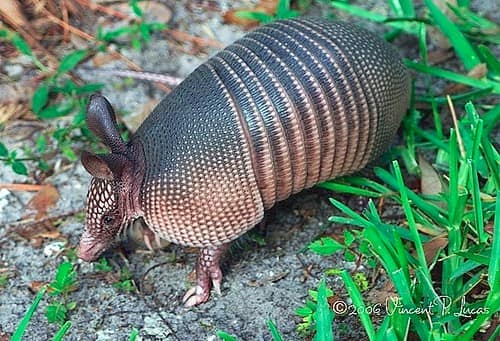
Same Family "Nine-banded Armadillo" by leppyone is licensed under CC BY 2.0. To view a copy of this license, visit https://creativecommons.org/licenses/by/2.0/. · cc-by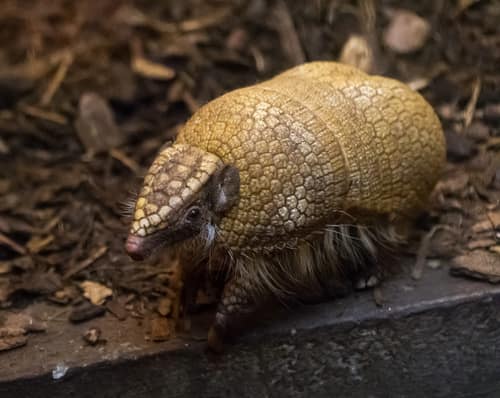
Close Relative Hedwig Storch / CC BY-SA 3.0 · cc-by-sa
Help improve the field guideSomething wrong?
Checking your Fauna account…Report a name, category, or profile issue for review.