
Mammal
Humpback Whale
Megaptera novaeangliaeAlso known as Bunch Whale, Humpbacked Whale
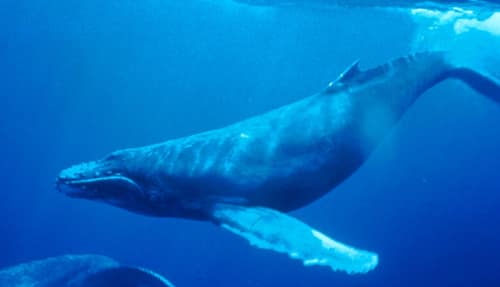
Humpback whales complete some of the longest seasonal migrations of any mammal, traveling between frigid polar feeding grounds and warm tropical nursery waters. Males compose complex, multi-patterned songs that evolve over years and reverberate across entire ocean basins during the breeding season. Groups often collaborate using bubble-net feeding, blowing rings of air to corral vast schools of fish or swarms of krill toward the surface.
MigratoryMarine MammalOceanic
—observations
—countries
—peak records
Least ConcernConservation statusIUCN Red List categoriesLCNTVUENCREWEXLeast ConcernRed List categories, explained →
Diet & preyKrill, Herring, Sand Lance
Predators
- Killer Whale
ThreatsVessel strikes, entanglement in fishing gear, ocean noise pollution
HabitatsPolar feeding grounds, tropical breeding lagoons, open ocean
Life span40–90 years
Classification
- OrderCetacea
- FamilyBalaenopteridae
- GenusMegaptera
- SpeciesMegaptera novaeangliae
Range data is not available yet.
Interaction riskHigh
- Low
- Moderate
- High
- Very high
- Why interaction risk is high
- Maintain a safe distance of at least 100 meters while boating to avoid collisions or capsizing from breaching.
- What to notice
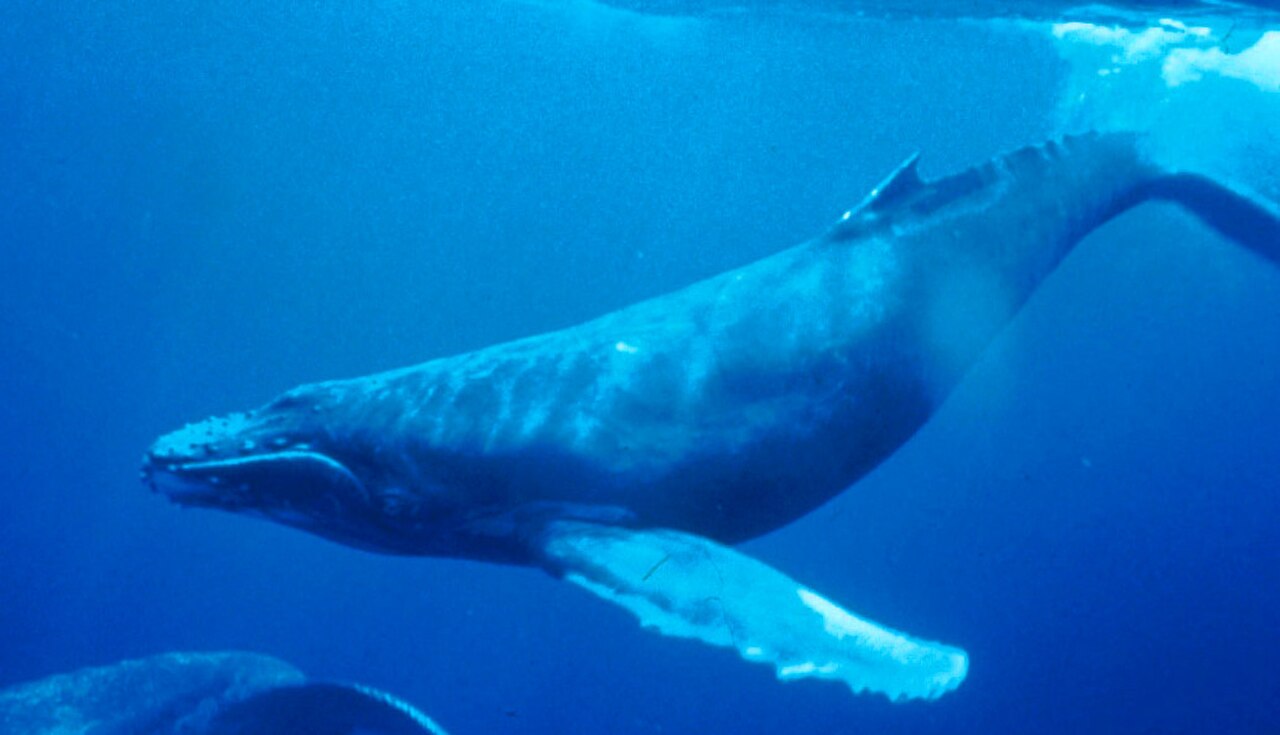
- Recognized by exceptionally long white-and-black pectoral fins, knobby head tubercles, and a low dorsal hump.
- Support conservation
- Maintain legally required observation distances, reduce vessel speeds in active whale zones, and never cut across a pod's path.
Responsible observation
- Boat Distance: Keep at least 100 meters away from whales to prevent stress, vessel strikes, and unexpected breaching hazards.
- Watching Behavior: Watch for blows, tail slaps, and pectoral fin slaps, which indicate active social communication at the surface.
- Acoustic Observation: Use a hydrophone near breeding grounds to listen to the complex, evolving acoustic songs of males.
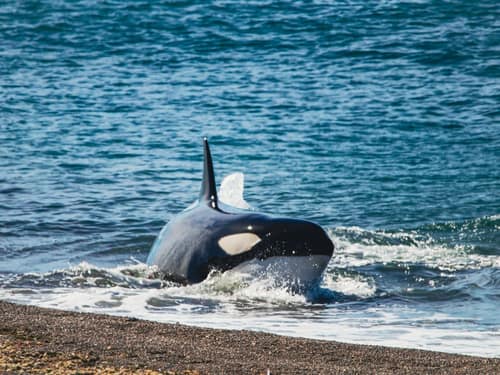
Predator (c) Martín Acosta Albarracín, some rights reserved (CC BY), uploaded by Martín Acosta Albarracín · cc-by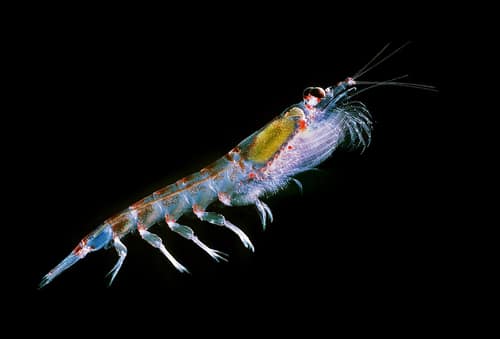
Prey (c) Krill666.jpg, some rights reserved (CC BY-SA) · cc-by-sa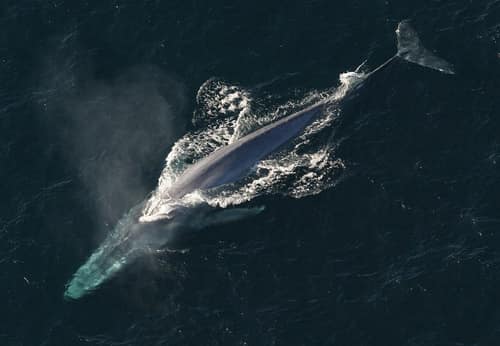
Close Relative NOAA / Public Domain (NOAA) · Public Domain (NOAA)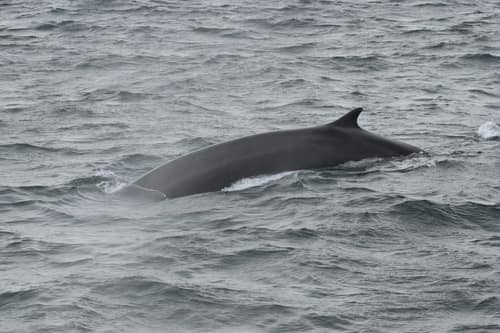
Close Relative (c) Cephas, some rights reserved (CC BY-SA) · cc-by-sa
Keep collecting in Fauna
Found in Collections
Species set Pro
Ocean Creatures
Humpback Whale is found in this collection. Identify it in Fauna to fill this slot and continue your progress.
Unlock to track progress
Help improve the field guideSomething wrong?
Checking your Fauna account…Report a name, category, or profile issue for review.