
Mammal
Pacific White-sided Dolphin
Lagenorhynchus obliquidensAlso known as Hookfin Porpoise, Pacific White-sided Porpoise, Lags
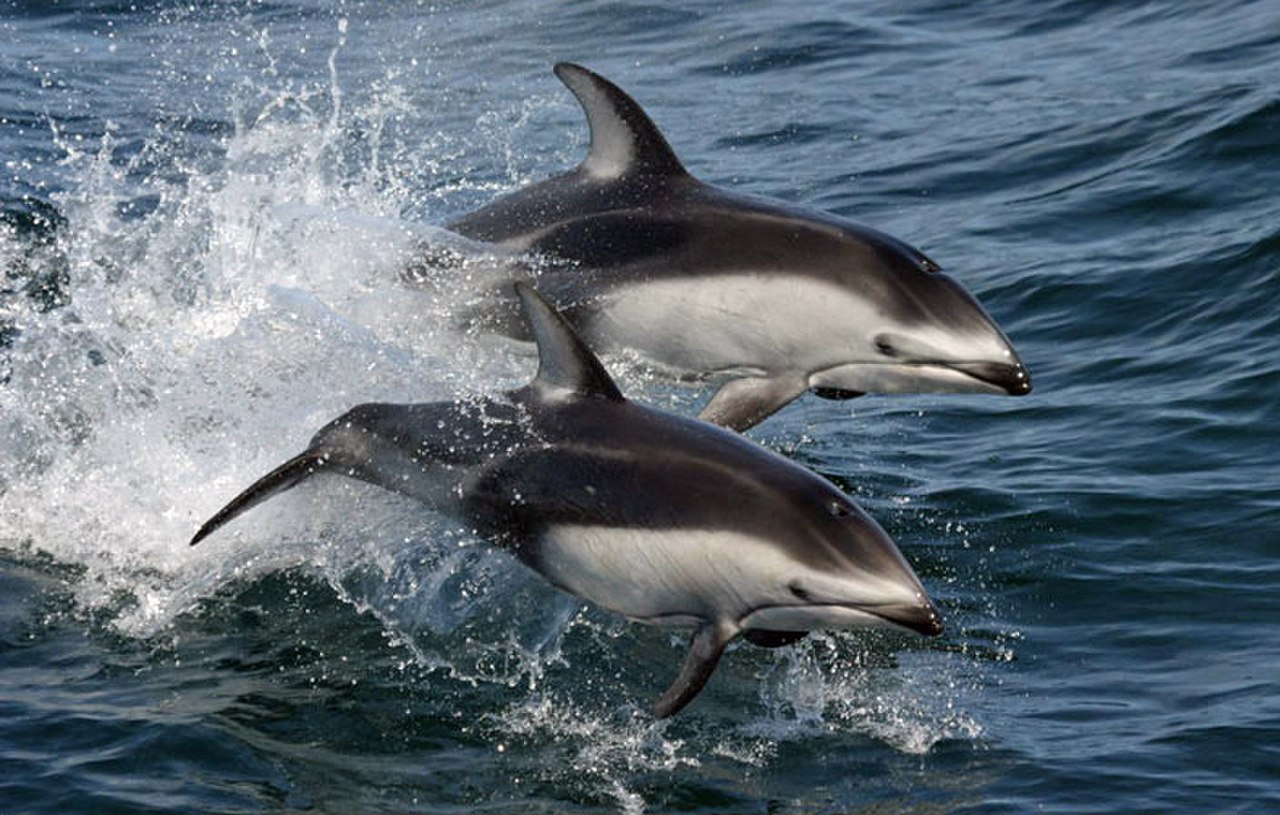
Pacific white-sided dolphins are exceptionally gregarious and energetic marine mammals, famous for their high-flying acrobatics and bow-riding behavior. They travel in highly social pods that can range from dozens to thousands of individuals, often associating with other cetaceans and sea lions. Their striking coloration features a dark grey back, light grey sides, and a brilliant white belly, complemented by a highly curved, hook-shaped dorsal fin.
MarineAcrobaticSocial

—observations
—countries
—peak records
Least ConcernConservation statusIUCN Red List categoriesLCNTVUENCREWEXLeast ConcernRed List categories, explained →
Diet & preySquid, Anchovies, Hake
Predators
- Killer Whale
- Great White Shark
ThreatsBycatch in commercial gillnets, marine debris, and ocean noise pollution
HabitatsCool temperate pelagic and coastal waters of the North Pacific
Life span35 to 45 years
Classification
- FamilyDelphinidae
- SpeciesLagenorhynchus obliquidens
Range data is not available yet.
Interaction riskLow
- Low
- Moderate
- High
- Very high
- Why interaction risk is low
- Safe to observe from a vessel at a respectful distance.
- What to notice
- Look for a strongly hooked, bicolored dorsal fin and a blunt snout with no prominent beak.
- Support conservation
- Never approach, feed, or attempt to swim with wild dolphins; always maintain a slow, predictable vessel course.
Responsible observation
- Watch from a distance: Maintain a distance of at least 100 yards to avoid disrupting their natural behaviors.
- Look for bow-riding: These dolphins often seek out vessels to ride the pressure waves created by the bow.
- Listen for vocalizations: On quiet days near a pod, you may hear their clicks and whistles through the air.
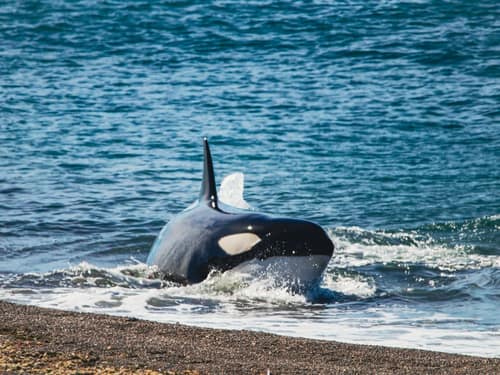
Predator (c) Martín Acosta Albarracín, some rights reserved (CC BY), uploaded by Martín Acosta Albarracín · cc-by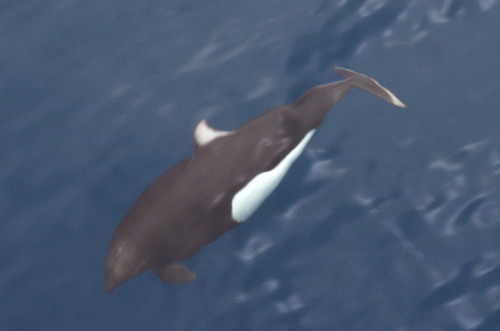
Frequent Companion (c) Георгий Виноградов (Georgy Vinogradov), some rights reserved (CC BY), uploaded by Георгий Виноградов (Georgy Vinogradov) · cc-by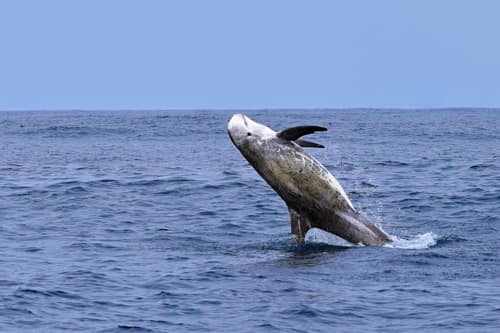
Frequent Companion (c) Daniel Benák, some rights reserved (CC BY), uploaded by Daniel Benák · cc-by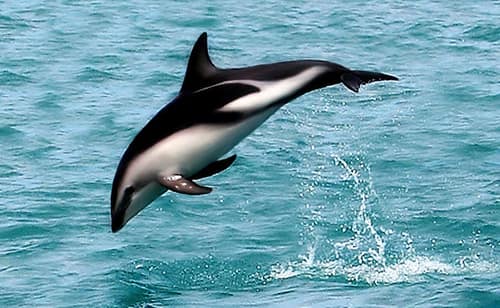
Close Relative AllenMcC. / CC BY 3.0 · cc-by
Help improve the field guideSomething wrong?
Checking your Fauna account…Report a name, category, or profile issue for review.