
Mammal
Narwhal
Monodon monocerosAlso known as Unicorn of the Sea, Narwhale, Moon Whale
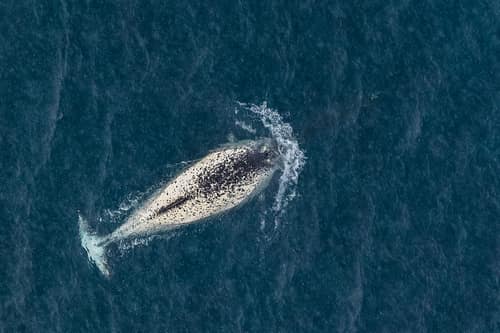
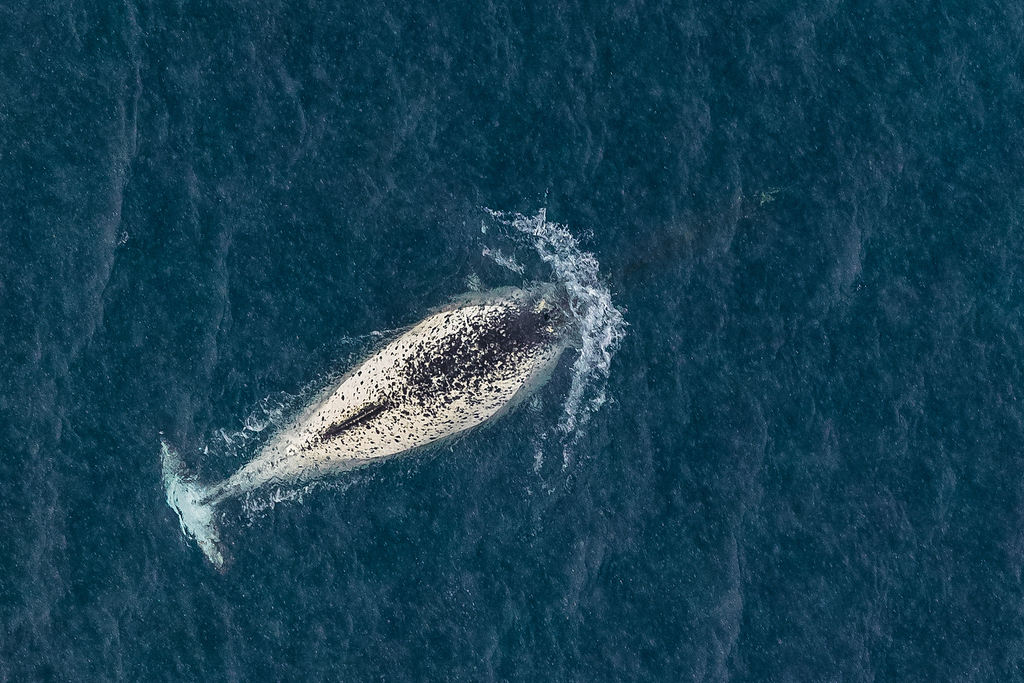
Narwhals navigate the dense pack ice of the high Arctic, using an incredibly sophisticated echolocation system to find breathing holes and hunt in pitch-black depths. Their most famous feature, a long spiral tusk found primarily on males, is actually a modified tooth packed with millions of nerve endings that can detect changes in water temperature and salinity. These social whales travel in tight-knit pods, communicating through a complex repertoire of clicks, squeaks, and whistles.
ArcticMarine MammalDeep Diver
—observations
—countries
—peak records
Least ConcernConservation statusIUCN Red List categoriesLCNTVUENCREWEXLeast ConcernRed List categories, explained →
Diet & preyGreenland Halibut, Arctic Cod, Squid
Predators
- Orca
- Polar Bear
- Greenland Shark
ThreatsClimate change, ocean noise, and oil exploration
HabitatsArctic waters and deep offshore pack ice
Life spanUp to 50 years
Classification
- FamilyMonodontidae
- SpeciesMonodon monoceros
Range data is not available yet.
Interaction riskHigh
- Low
- Moderate
- High
- Very high
- Why interaction risk is high
- Observe from a safe distance on guided vessel tours to avoid disrupting their sensitive acoustic communication.
- What to notice
- Look for a mottled grey, tusked whale swimming in small pods near Arctic pack ice.
- Support conservation
- Never approach pods in motorized vessels; rely on experienced local guides who follow strict marine mammal viewing guidelines.
Responsible observation
- Listen Closely: Use a hydrophone during boat tours to hear their diverse array of clicks and whistles.
- Watch the Ice: Look for their mottled grey backs surfacing in narrow cracks of pack ice during spring migrations.
- Respect the Quiet: Keep boat engines at idle speed to prevent interfering with their highly sensitive echolocation.
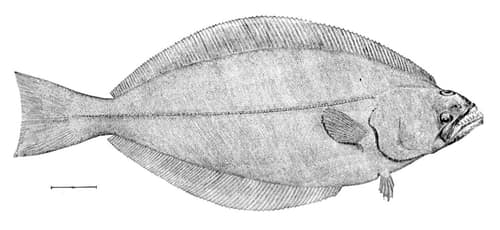
Prey Wikimedia Commons / Public domain · cc0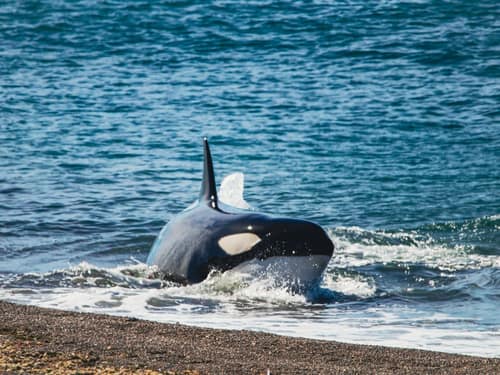
Predator (c) Martín Acosta Albarracín, some rights reserved (CC BY), uploaded by Martín Acosta Albarracín · cc-by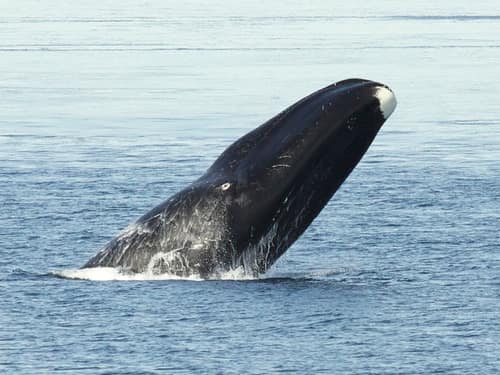
Frequent Companion (c) Bering Land Bridge National Preserve, some rights reserved (CC BY-SA) · cc-by-sa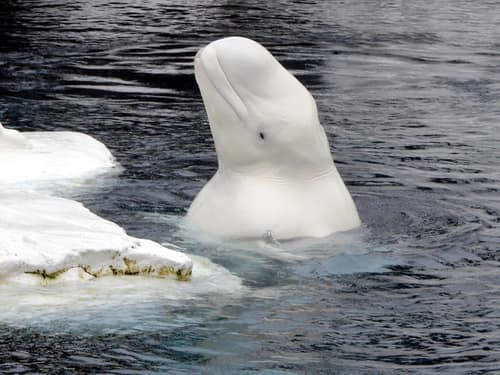
Close Relative (c) Hafiz Issadeen, some rights reserved (CC BY) · cc-by
Help improve the field guideSomething wrong?
Checking your Fauna account…Report a name, category, or profile issue for review.