
Mammal
Long-tailed Chinchilla
Chinchilla lanigeraAlso known as Chilean Chinchilla, Coastal Chinchilla, Common Chinchilla, Lesser Chinchilla
Long-tailed chinchillas are small, social rodents famous for their incredibly dense, velvety fur, which boasts up to 80 hairs per follicle to insulate them against harsh mountain temperatures. They navigate rocky, arid Andean slopes with remarkable agility, using their large ears to dissipate heat and their long whiskers to feel their way through dark crevices. Living in colonies called herds, these nocturnal herbivores communicate through a variety of soft chirps, squeaks, and warning barks.
NocturnalSocialMontane
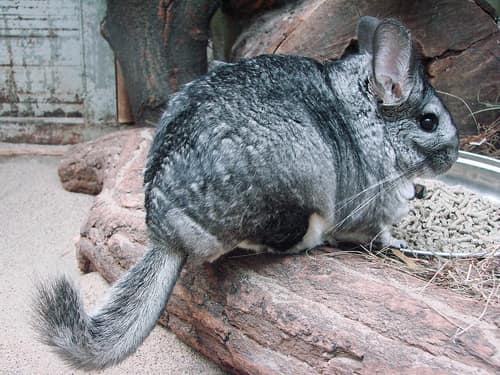
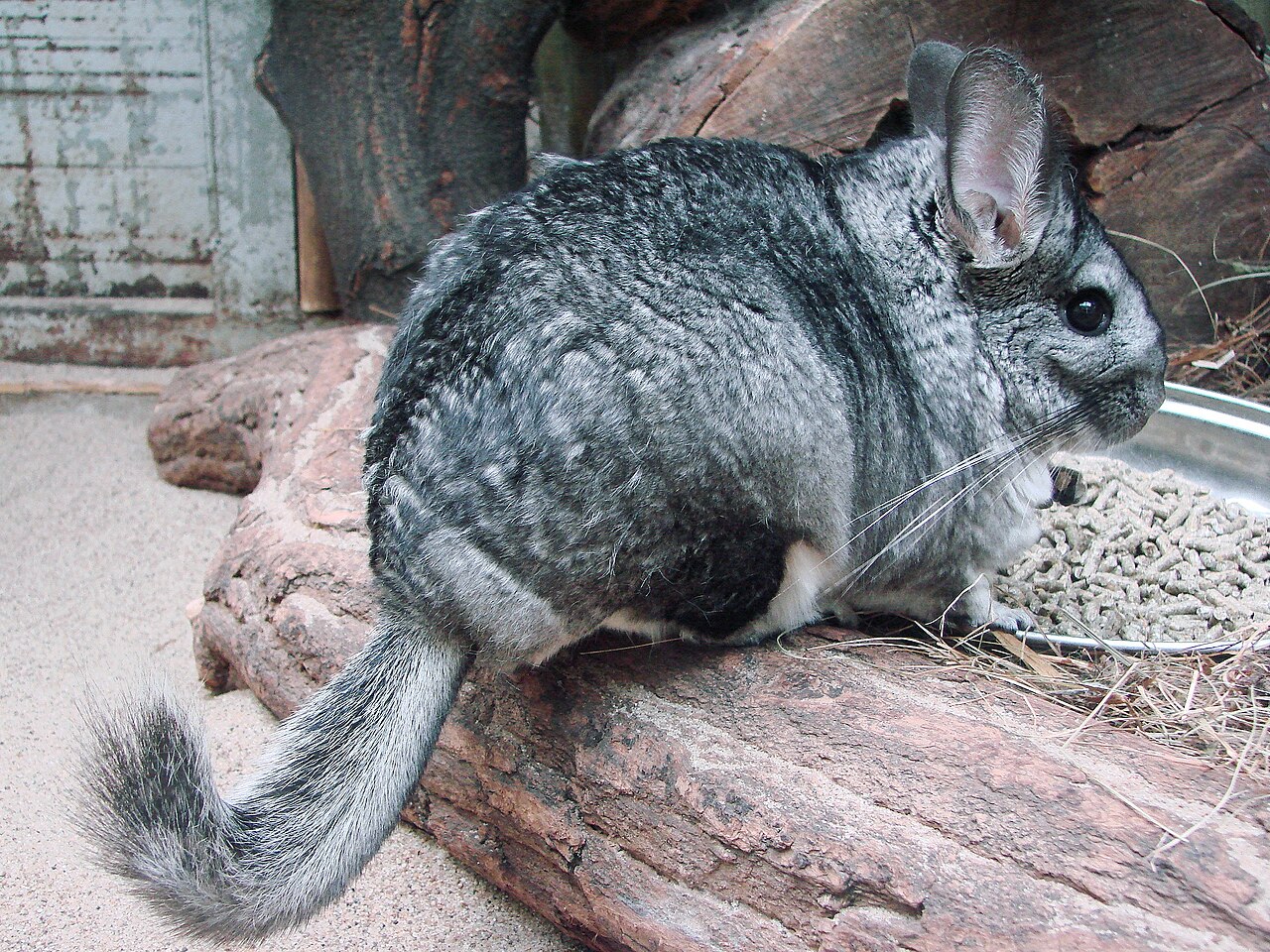
—observations
—countries
—peak records
EndangeredConservation statusIUCN Red List categoriesLCNTVUENCREWEXEndangeredRed List categories, explained →
Diet & preyHerbivorous (grasses, seeds, leaves, and lichens)
Predators
- Culpeo Fox
- Andean Mountain Cat
- Birds of Prey
ThreatsHabitat degradation, illegal poaching, and predation by invasive species
HabitatsArid, rocky mountain slopes and shrublands
Life span8 to 15 years in the wild
Classification
- FamilyChinchillidae
- SpeciesChinchilla lanigera
Range data is not available yet.
Interaction riskLow
- Low
- Moderate
- High
- Very high
- Why interaction risk is low
- Capable of a defensive bite if cornered or handled; observe wild populations from a safe distance.
- What to notice
- Look for a small, pear-shaped rodent with exceptionally soft grey fur, large rounded ears, and a bushy tail.
- Support conservation
- Never attempt to capture, touch, or disturb wild colonies, and stick strictly to designated trails in protected reserves.
Responsible observation
- Listen for vocalizations: Listen quietly at dusk for their high-pitched alarm calls echoing across rocky crevices.
- Look for dust baths: Search for small, powdery depressions in the soil where they clean their dense fur.
- Keep your distance: Avoid approaching active colonies to prevent scaring them back into their deep rock crevices.
 Image unavailable
Frequent Companion 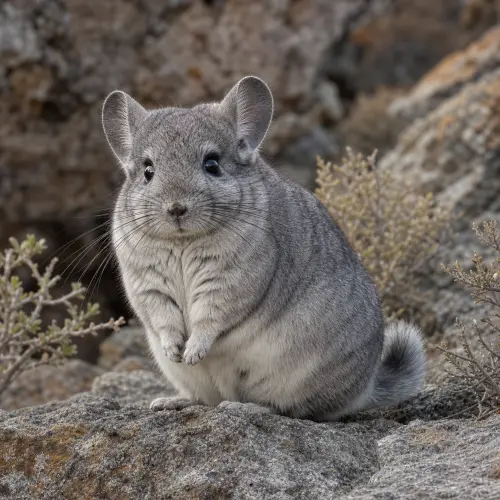
Close Relative Unknown / CC-BY · cc-by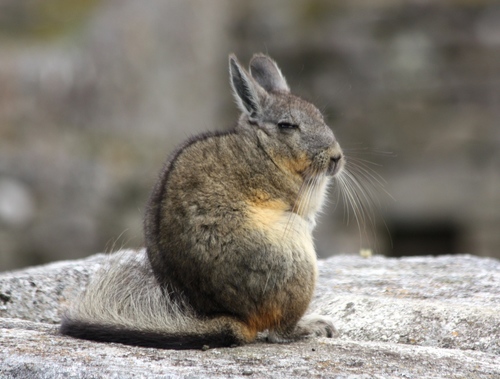
Close Relative no rights reserved · cc0
Help improve the field guideSomething wrong?
Checking your Fauna account…Report a name, category, or profile issue for review.