
Mammal
Indian Elephant
Elephas maximus indicusAlso known as Asiatic Elephant, Indian Asian Elephant
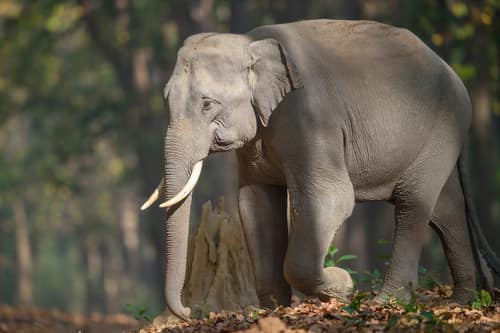
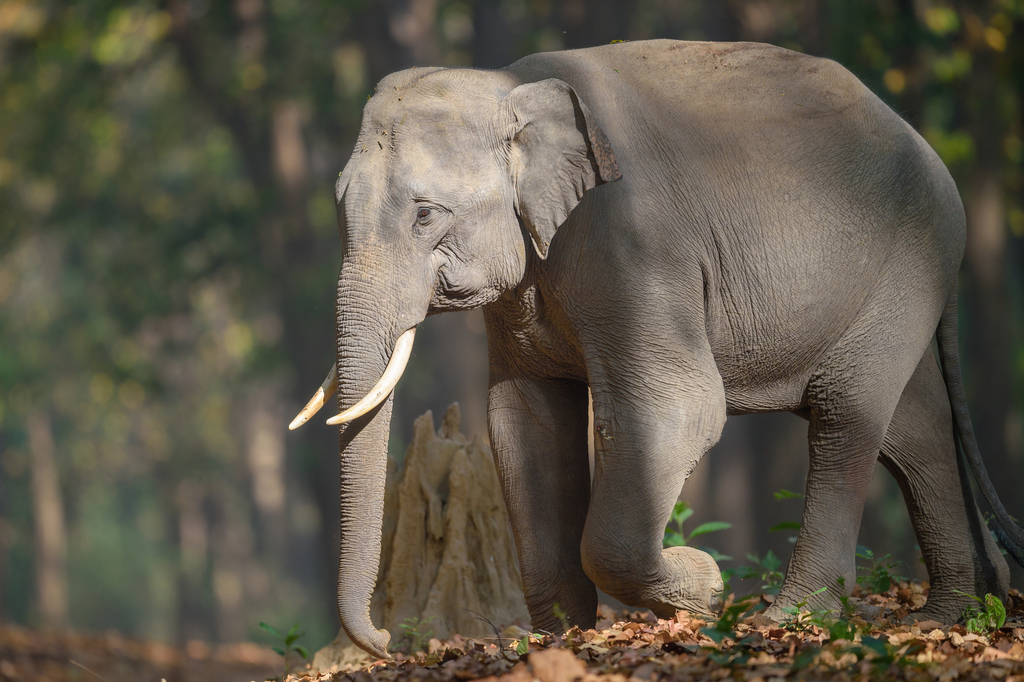
Indian elephants are highly social, matriarchal giants that navigate the forests and grasslands of mainland Asia in closely-knit family herds. Led by an experienced female, these herds rely on complex vocalizations, seismic vibrations, and deep emotional bonds to coordinate daily movements and protect their young. Their versatile trunks serve as a nose, arm, hand, and communication tool, capable of delicate manipulation or immense physical force.
HerbivoreSocialKeystone Species
—observations
—countries
—peak records
EndangeredConservation statusIUCN Red List categoriesLCNTVUENCREWEXEndangeredRed List categories, explained →
Diet & preyHerbivorous, consuming grasses, bark, roots, leaves, and cultivated crops like sugarcane.
Predators
- Bengal Tiger
- Humans
ThreatsHabitat loss, fragmentation, human-elephant conflict, poaching for ivory, and linear infrastructure development.
HabitatsTropical grasslands, moist deciduous forests, dry deciduous forests, and scrublands.
Life spanUp to 60 to 70 years in the wild.
Classification
- FamilyElephantidae
- SpeciesElephas maximus indicus
Native
Interaction riskHigh
- Low
- Moderate
- High
- Very high
- Why interaction risk is high
- Capable of charging if threatened; maintain a safe distance of at least 50 meters, especially around mothers and calves.
- Why it is dangerous
- Possesses immense physical strength and can charge at speeds up to 40 kilometers per hour when threatened or defending calves.
- How to recognize a risky encounter
- Look for a massive grey mammal with a high domed head, large flapping ears, and a long muscular trunk.
- What to do
- Never approach on foot, keep vehicle engines running for a quick exit, and back away slowly if they show signs of agitation.
- What to notice
- Identifiable by its smaller ears compared to African elephants and a distinct twin-domed head.
- Support conservation
- Support local community-based conservation initiatives and avoid purchasing any products made from ivory or elephant skin.
Responsible observation
- Keep Your Distance: Always remain at least 50 to 100 meters away, particularly when observing wild herds or solitary bulls.
- Watch Body Language: Flared ears, a raised trunk, or pawing the ground indicate stress or an impending charge.
- Respect Quiet Zones: Avoid making loud noises or using flash photography, which can startle or agitate them.
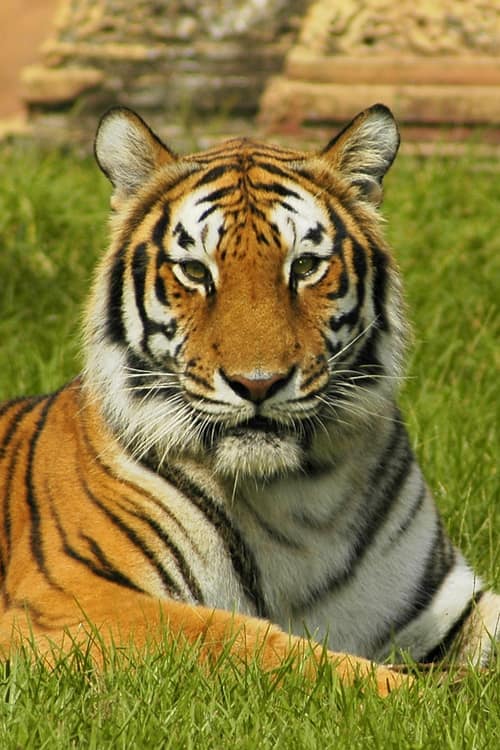
Predator "Bengal Tiger" by ucumari photography is licensed under CC BY-SA 2.0. To view a copy of this license, visit https://creativecommons.org/licenses/by-sa/2.0/. · cc-by-sa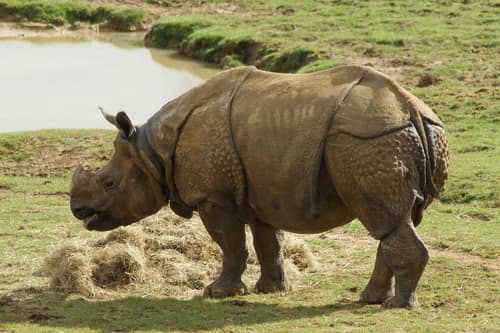
Frequent Companion "Indian Rhinoceros (Rhinoceros unicornis), ZSL Whipsnade Zoo" by spencer77 is licensed under CC BY 2.0. To view a copy of this license, visit https://creativecommons.org/licenses/by/2.0/. · cc-by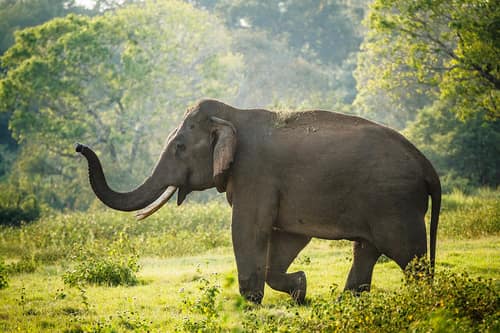
Close Relative Sumudusoyza007 / CC BY-SA 4.0 · cc-by-sa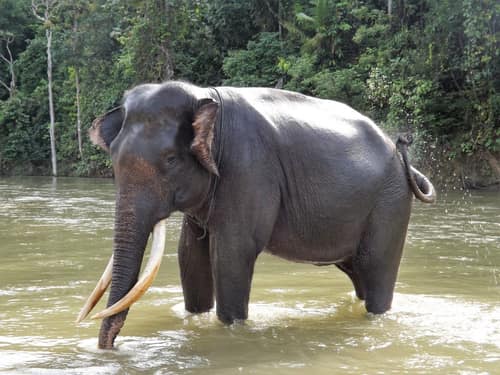
Close Relative (c) Léodras, some rights reserved (CC BY-SA) · cc-by-sa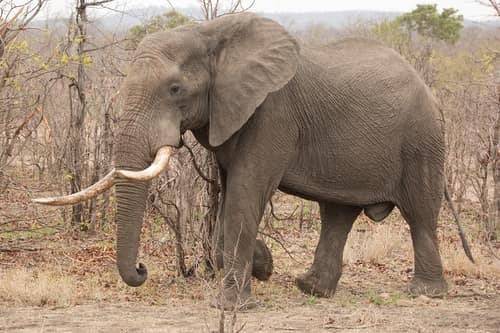
Close Relative (c) dhfischer, some rights reserved (CC BY), uploaded by dhfischer · cc-by
Help improve the field guideSomething wrong?
Checking your Fauna account…Report a name, category, or profile issue for review.