
Asian Elephant
Elephas maximusAlso known as Asiatic Elephant, Indian Elephant, Sri Lankan Elephant, Sumatran Elephant
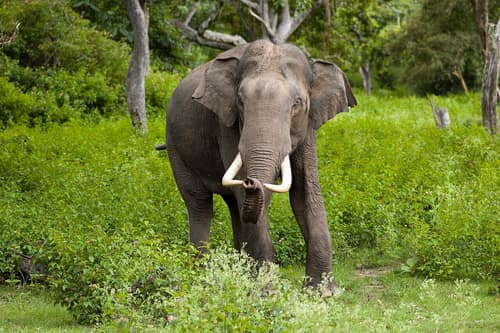
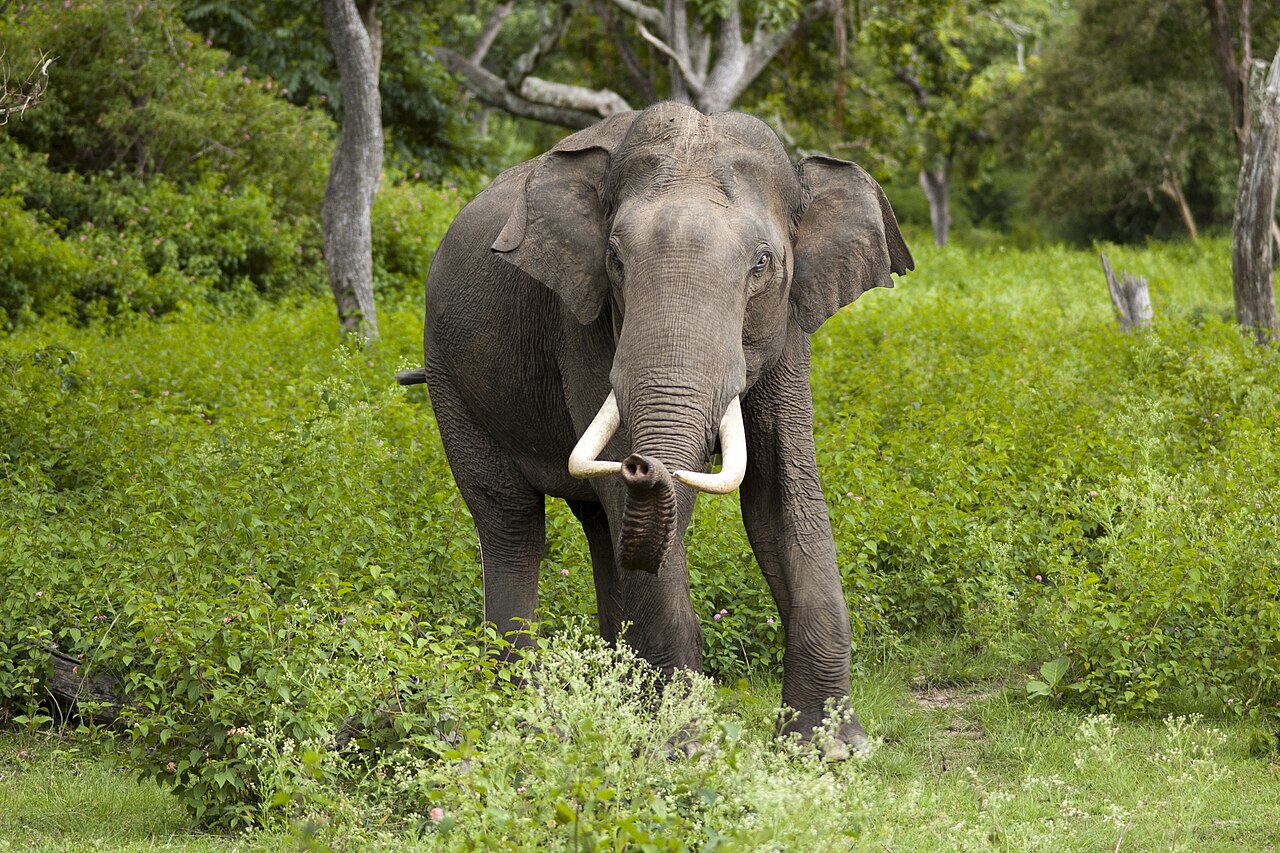
Asian elephants move through tropical forests and grasslands in matriarchal herds led by the oldest female, relying on complex vocalizations and low-frequency infrasound to communicate across vast distances. These magnificent herbivores shape their environments by knocking down trees, digging water holes, and dispersing seeds across large landscapes. Habitat fragmentation and human-wildlife conflict pose severe ongoing challenges to their survival across their fragmented range.
- Bengal Tiger
- Human
- OrderProboscidea
- FamilyElephantidae
- GenusElephas
- SpeciesElephas maximus
- Low
- Moderate
- High
- Very high
- Why interaction risk is high
- Extremely large and powerful; observe from a safe distance inside a vehicle with an experienced guide.
- Why it is dangerous
- Extremely heavy and strong, wild elephants can charge at high speeds and cause fatal crushing or gore injuries if provoked or startled.
- How to recognize a risky encounter
- Look for grey skin with pinkish depigmentation around the trunk, smaller rounded ears folded at the top, and a humped back.
- What to do
- Remain inside a safe vehicle, keep a distance of at least 50 meters, and never block an elephant's path.
- What to notice
- Identified by a distinct twin-domed head, smaller ears than African elephants, and a single finger-like projection at the tip of the trunk.
- Support conservation
- Never disturb feeding or migrating herds, maintain silence, and support local community conservation programs.
- Safari Etiquette: Keep a safe distance and stay quiet inside your vehicle when observing wild herds.
- Ethical Tourism: Choose sanctuaries that prohibit riding and promote natural social behaviors.
- Crop Protection: Support non-violent deterrent initiatives like beehive fences to reduce conflict.
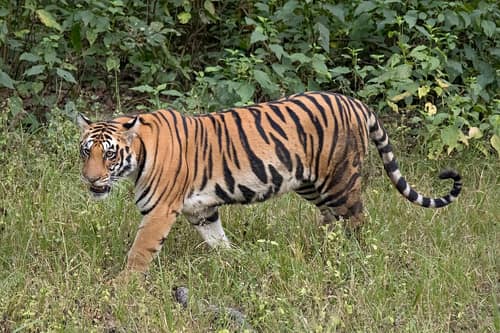
Predator Charles J. Sharp / CC BY-SA 4.0 · cc-by-sa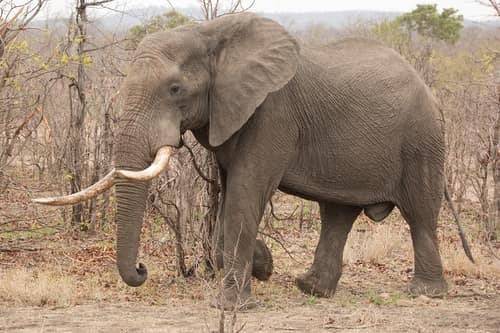
Close Relative (c) dhfischer, some rights reserved (CC BY), uploaded by dhfischer · cc-by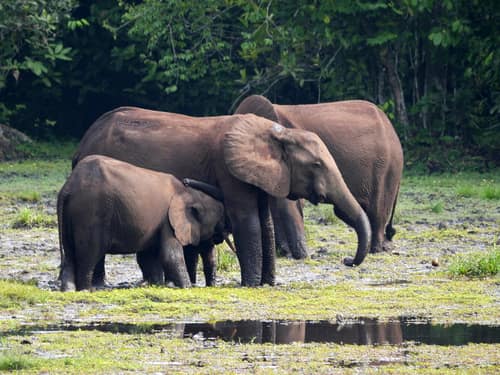
Close Relative (c) Matt Muir, some rights reserved (CC BY), uploaded by Matt Muir · cc-by
Found in Collections
Safari Ranger
Asian Elephant is found in this collection. Identify it in Fauna to fill this slot and continue your progress.
Unlock to track progress
Report a name, category, or profile issue for review.