
Mammal
Arabian Leopard
Panthera pardus nimrAlso known as Nimr
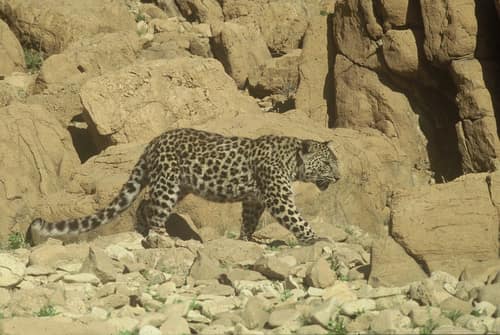
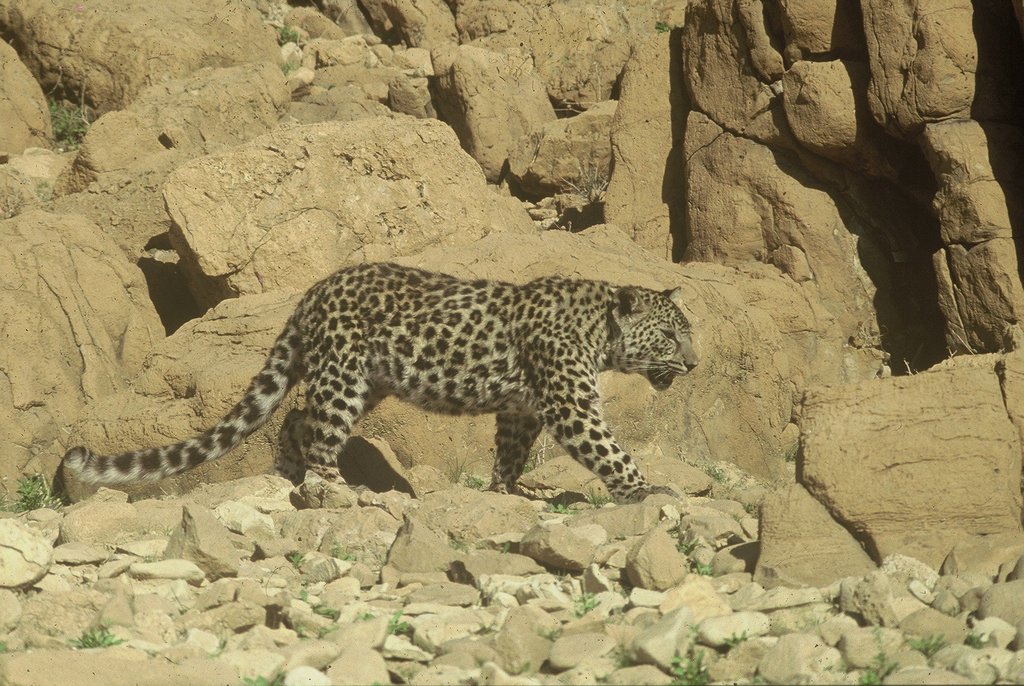
Arabian leopards are the smallest and palest of all leopard subspecies, perfectly adapted to the arid, rugged mountains of the Arabian Peninsula. These solitary, nocturnal predators navigate steep cliffs with incredible agility, relying on camouflage to stalk prey in sparse vegetation. With fewer than a hundred individuals remaining in the wild, they represent a critically fragile remnant of the region's apex fauna.
NocturnalElusiveApex Predator
—observations
—countries
—peak records
Critically EndangeredConservation statusIUCN Red List categoriesLCNTVUENCREWEXCritically EndangeredRed List categories, explained →
Diet & preyNubian Ibex, Rock Hyrax, Arabian Gazelle
Predators
- Humans
ThreatsHabitat fragmentation, prey depletion, retaliatory killing by livestock herders, and illegal poaching
HabitatsRugged montane deserts, dry scrublands, and steep rocky canyons
Life span10 to 15 years in the wild, up to 20 years in captivity
Classification
- FamilyFelidae
- SpeciesPanthera pardus nimr
Range data is not available yet.
Interaction riskHigh
- Low
- Moderate
- High
- Very high
- Why interaction risk is high
- An apex predator capable of defensive attacks if cornered; avoid tracking and maintain a safe distance.
- Why it is dangerous
- As powerful apex predators, they possess sharp claws and a lethal bite, capable of inflicting severe injury if they feel threatened or cornered.
- How to recognize a risky encounter
- Look for a slender, pale yellow to golden coat covered in black rosettes, much smaller than African leopards.
- What to do
- Never attempt to approach, corner, or feed a leopard; slowly back away while facing the animal if encountered.
- What to notice
- Recognized by its small size, pale coat, and restricted range in the remote mountains of Oman and Yemen.
- Support conservation
- Keep GPS coordinates of sightings confidential to prevent poaching and minimize foot traffic in their fragile habitats.
Responsible observation
- Camera Trapping: Use motion-activated cameras near water sources to document their presence without disturbance.
- Respect Closures: Avoid entering restricted conservation zones in Oman designed to protect nesting and hunting grounds.
- Report Sightings: Share any potential tracks or signs with local conservation authorities to aid monitoring efforts.
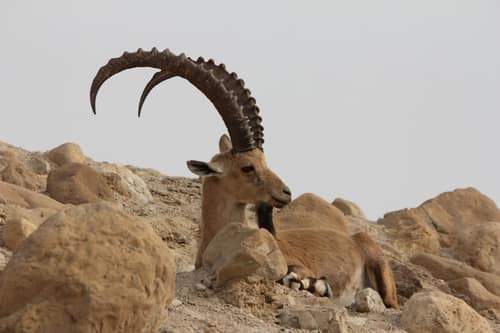
Primary Prey (c) Thomas Galewski, some rights reserved (CC BY), uploaded by Thomas Galewski · cc-by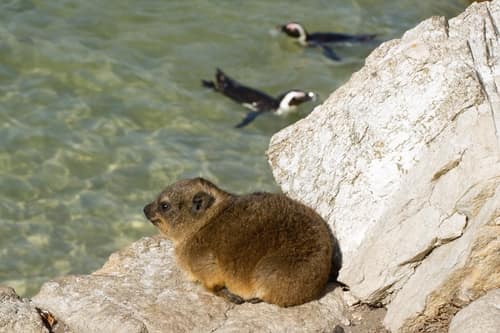
Prey (c) dhfischer, some rights reserved (CC BY) · cc-by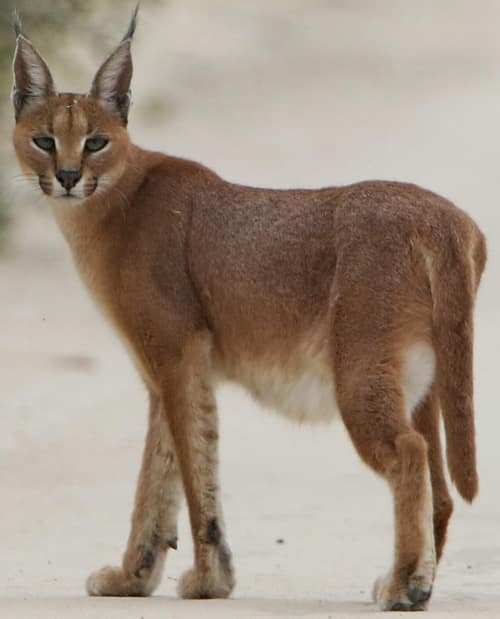
Competitor Derek Keats / CC BY 2.0 · cc-by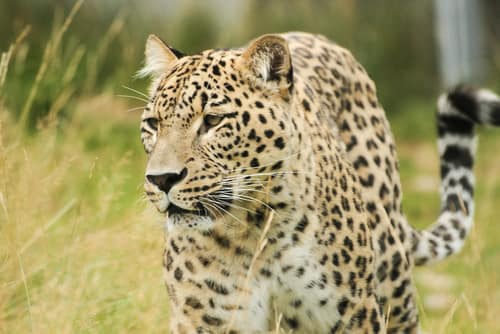
Close Relative "Persian Leopard at Orsa Björnpark" by fridabredesen is marked with CC0 1.0. To view the terms, visit https://creativecommons.org/publicdomain/zero/1.0/. · cc0
Help improve the field guideSomething wrong?
Checking your Fauna account…Report a name, category, or profile issue for review.