
Mammal
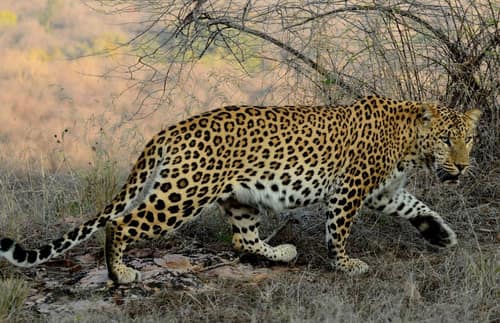
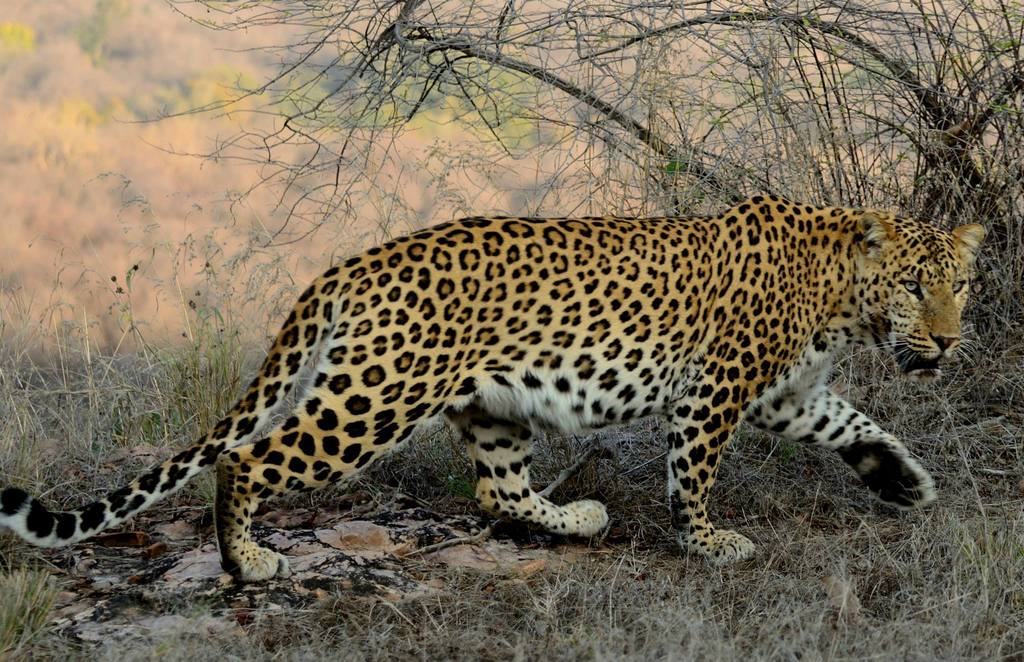
Indian Leopard
Panthera pardus fuscaAlso known as Panther, Spotted Panther
Leopards are solitary, supremely adaptable apex predators capable of hauling prey heavier than themselves high into tree canopies to evade competitors. Their rosette-marked coats provide unmatched camouflage across dense rainforests, arid savannas, and rocky cliffs alike. Communication relies largely on scent marks, deep rasping territorial calls known as sawing, and quiet body posturing.
CarnivoreNocturnalSolitary
—observations
—countries
—peak records
VulnerableConservation statusIUCN Red List categoriesLCNTVUENCREWEXVulnerableRed List categories, explained →
Diet & preyChital, Wild Boar, Gray Langur
Predators
- Tiger
- Lion
- Spotted Hyena
ThreatsHabitat loss and fragmentation, poaching for body parts, and human-wildlife conflict
HabitatsTropical forests, dry deciduous forests, scrublands, savannas, and rocky hills
Life span12–17 years in the wild; up to 23 years in captivity
Classification
- FamilyFelidae
- SpeciesPanthera pardus fusca
Range data is not available yet.
Interaction riskHigh
- Low
- Moderate
- High
- Very high
- Why interaction risk is high
- Powerful predator capable of fatal attacks; maintain strict distance and remain inside enclosed vehicles.
- Why it is dangerous
- Possesses crushing jaw strength, sharp retractable claws, and high predatory agility capable of inflicting fatal trauma.
- How to recognize a risky encounter
- Look for a muscular, low-slung yellowish coat patterned with dark rosette clusters lacking center spots.
- What to do
- Never approach, feed, or corner an individual; give it a wide berth and alert local wildlife authorities if spotted near homes.
- What to notice
- Recognized by its golden-tawny coat adorned with dark ring-like rosettes and white-tipped tail underside.
- Support conservation
- Maintain ethical distances in protected parks, never pursue fleeing animals, and avoid sharing live location coordinates online.
Responsible observation
- Vehicle Safety: Stay inside closed safari vehicles at all times when touring leopard habitats.
- Avoid Walking at Night: Do not travel on foot after dusk in rural areas where leopards roam freely.
- Stand Your Ground: Never run if confronted unexpectedly; face the animal, stand tall, and slowly back away.
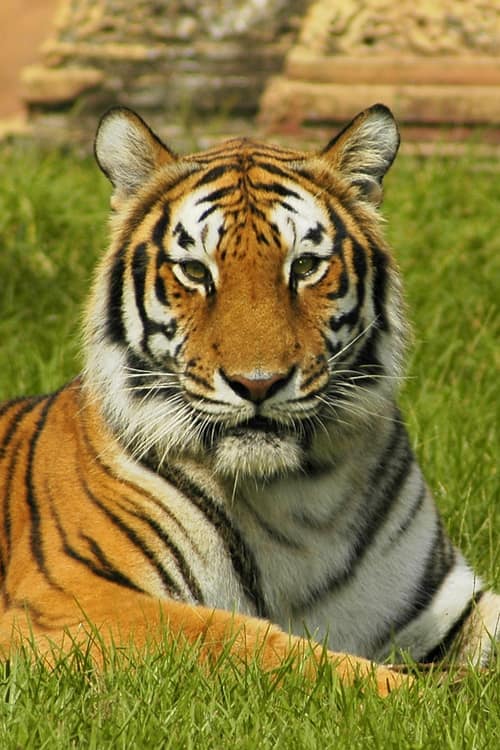
Competitor "Bengal Tiger" by ucumari photography is licensed under CC BY-SA 2.0. To view a copy of this license, visit https://creativecommons.org/licenses/by-sa/2.0/. · cc-by-sa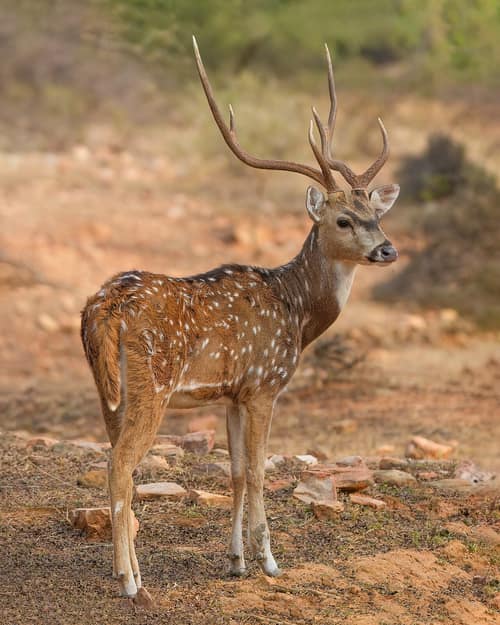
Prey Giles Laurent / CC BY-SA 4.0 · cc-by-sa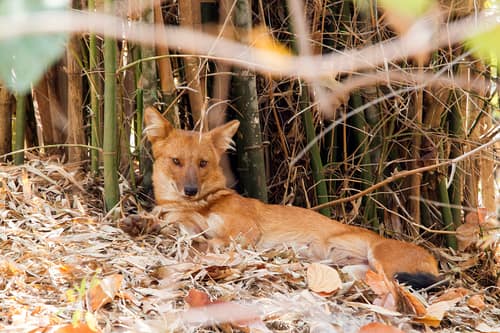
Competitor (c) Ramesh Shenai Jr., some rights reserved (CC BY), uploaded by Ramesh Shenai Jr. · cc-by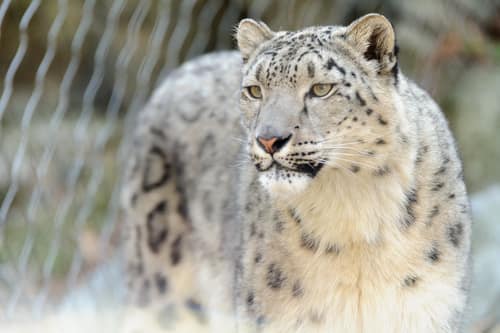
Close Relative "Snow Leopard from the Side" by Eric Kilby is licensed under CC BY-SA 2.0. To view a copy of this license, visit https://creativecommons.org/licenses/by-sa/2.0/. · cc-by-sa
Help improve the field guideSomething wrong?
Checking your Fauna account…Report a name, category, or profile issue for review.