
Mammal
Javan Leopard
Panthera pardus melasAlso known as Javanese Leopard, Macan Tutul Jawa, Macan Kumbang
Javan leopards are the last remaining apex predators on Java, characterized by their relatively small build and a high frequency of melanism, which produces completely black individuals alongside the spotted form. They navigate dense tropical rainforests and rugged montane woodlands with exceptional agility, hunting both on the forest floor and high in the canopy. These solitary cats rely on stealth and camouflage to survive in increasingly fragmented habitats close to human populations.
SolitaryNocturnalForest-dwelling
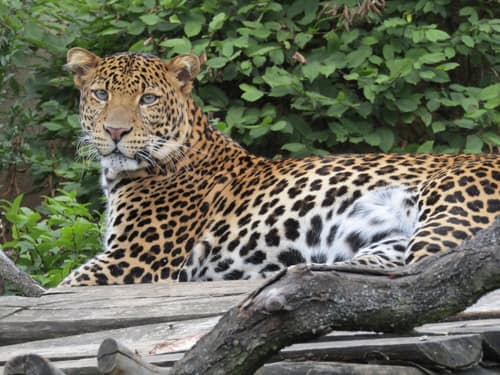
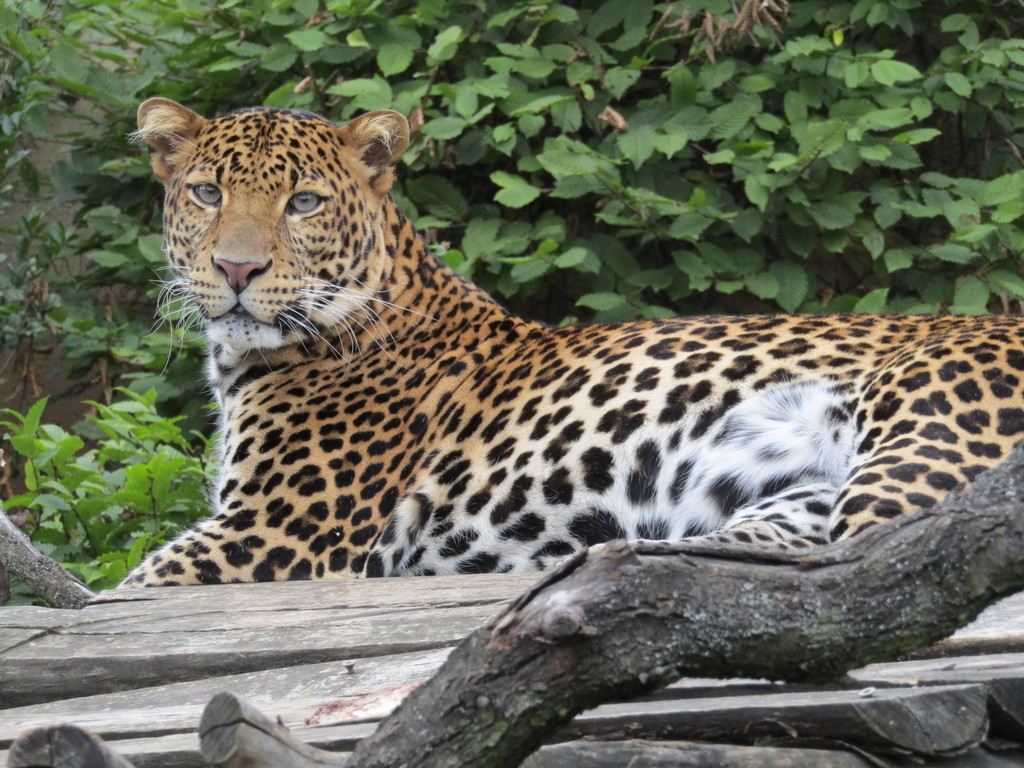
—observations
—countries
—peak records
EndangeredConservation statusIUCN Red List categoriesLCNTVUENCREWEXEndangeredRed List categories, explained →
Diet & preyBarking Deer, Javan Lutung, Wild Boar
Predators
- Humans
ThreatsHabitat fragmentation, agricultural expansion, human-wildlife conflict, and poaching
HabitatsTropical rainforests, montane forests, and dry deciduous woodlands
Life span12 to 15 years in the wild
Classification
- FamilyFelidae
- SpeciesPanthera pardus melas
Range data is not available yet.
Interaction riskHigh
- Low
- Moderate
- High
- Very high
- Why interaction risk is high
- A powerful apex predator; maintain a safe distance and never approach or corner a wild leopard.
- Why it is dangerous
- As large, powerful carnivores, they possess immense strength and sharp claws capable of inflicting fatal injuries if they feel threatened or cornered.
- How to recognize a risky encounter
- Look for a compact, muscular cat with rosette-patterned golden fur or a solid, glossy black coat.
- What to do
- Never hike alone in leopard territory, make noise to avoid surprising one, and back away slowly if encountered.
- What to notice
- Recognizable by their distinct spotted or melanistic coats, restricted entirely to Java's remaining wild spaces.
- Support conservation
- Report sightings to local conservation authorities and avoid sharing precise GPS coordinates of encounters online.
Responsible observation
- Use Camera Traps: Study these elusive cats safely by participating in non-invasive community monitoring programs.
- Avoid Night Treks: Stay out of deep forest trails after dark when leopards are most active and hunting.
- Support Local Conservation: Contribute to initiatives that protect the remaining forest corridors on Java.
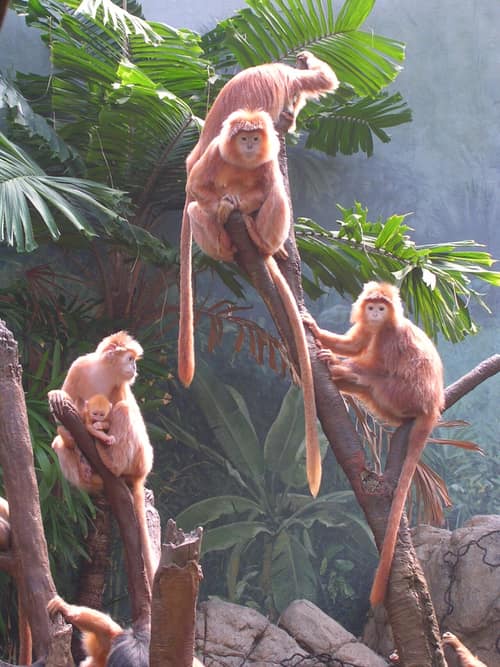
Prey Species Adenu at English Wikipedia / Public domain · cc0 Image unavailable
Prey Species Extinct Competitor 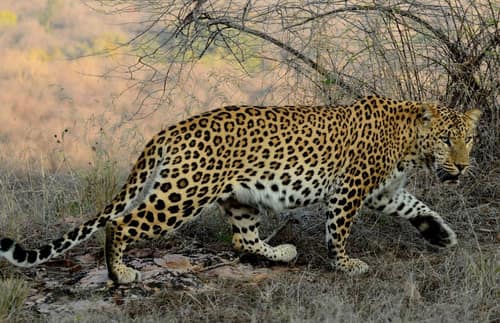
Close Relative (c) Raja bandi, some rights reserved (CC BY), uploaded by Raja bandi · cc-by
Help improve the field guideSomething wrong?
Checking your Fauna account…Report a name, category, or profile issue for review.