
Mammal
Amur Leopard
Panthera pardus orientalisAlso known as Far Eastern Leopard, Manchurian Leopard, Korean Leopard, Siberian Leopard
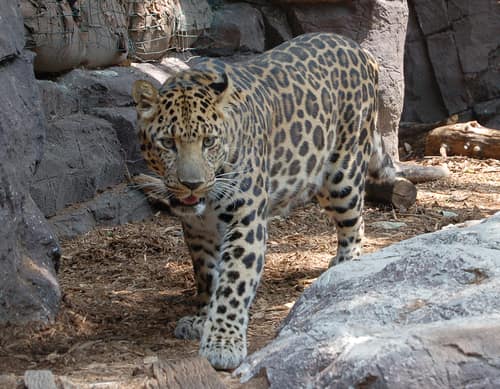
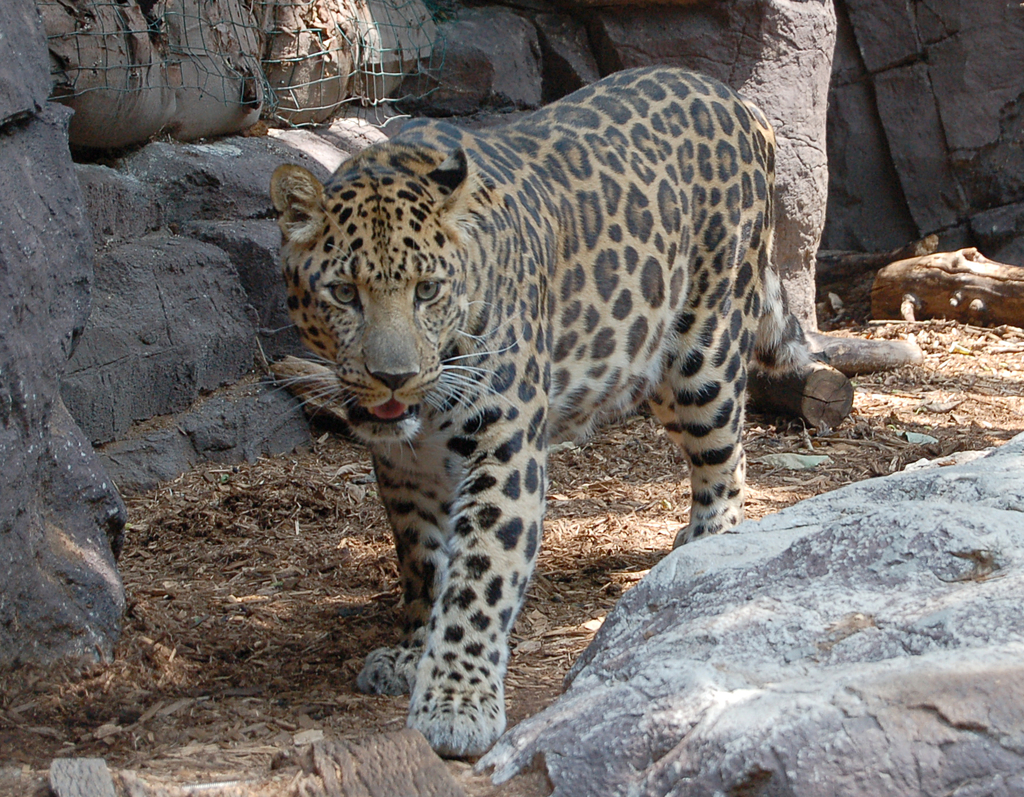
Amur leopards are solitary, nocturnal predators uniquely adapted to the harsh, snowy winters of temperate forests in northeastern Asia. Their thick, pale cream coats feature widely spaced, large rosettes that provide excellent camouflage among snow-dusted rocks and trees. With fewer than 120 individuals remaining in the wild, these agile climbers represent one of the rarest big cats on Earth.
NocturnalSolitaryCamouflaged
—observations
—countries
—peak records
Critically EndangeredConservation statusIUCN Red List categoriesLCNTVUENCREWEXCritically EndangeredRed List categories, explained →
Diet & preySiberian Roe Deer, Sika Deer, Wild Boar
Predators
- Siberian Tiger
- Humans
ThreatsPoaching, habitat loss, inbreeding depression, prey depletion, forest fires
HabitatsTemperate forests, broadleaf and mixed forests, mountainous rocky areas
Life span10 to 15 years in the wild, up to 20 years in captivity
Classification
- FamilyFelidae
- SpeciesPanthera pardus orientalis
Range data is not available yet.
Interaction riskHigh
- Low
- Moderate
- High
- Very high
- Why interaction risk is high
- A powerful apex predator capable of defensive attacks; never approach and observe only from secure vehicles or hides.
- Why it is dangerous
- A large, powerful carnivore capable of delivering fatal bites and scratches if cornered, startled, or defending cubs.
- How to recognize a risky encounter
- Look for a pale, thick golden-yellow coat with large, widely spaced black rosettes and long legs adapted for deep snow.
- What to do
- Never approach on foot; if encountered, stand tall, do not run, and back away slowly while maintaining eye contact.
- What to notice
- Recognizable by its thick winter fur, bushy tail, and distinctive rosettes in the temperate forests of the Russian Far East.
- Support conservation
- Avoid entering restricted nature reserves, report poaching activity, and support international conservation programs.
Responsible observation
- Remote Tracking: Look for distinctive four-toed paw prints without claw marks in winter snow.
- Camera Trapping: Support non-invasive monitoring efforts by learning about local conservation research stations.
- Safe Distance: Never attempt to track a leopard on foot; use designated vehicles in protected reserves.
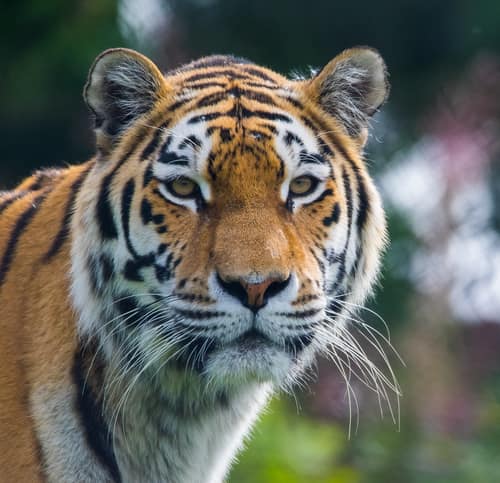
Competitor "siberian Tiger" by magnus.johansson10 is licensed under CC BY-SA 2.0. To view a copy of this license, visit https://creativecommons.org/licenses/by-sa/2.0/. · cc-by-sa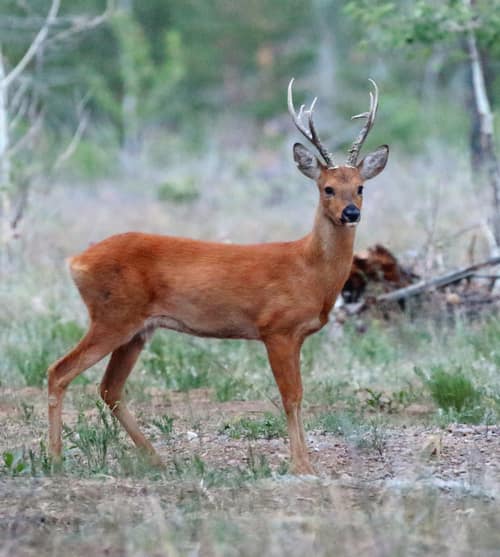
Primary Prey (c) Andrey Giljov, some rights reserved (CC BY-SA) · cc-by-sa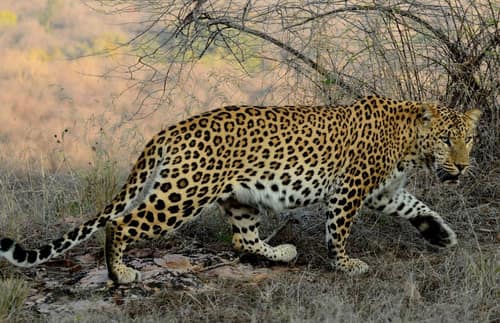
Close Relative (c) Raja bandi, some rights reserved (CC BY), uploaded by Raja bandi · cc-by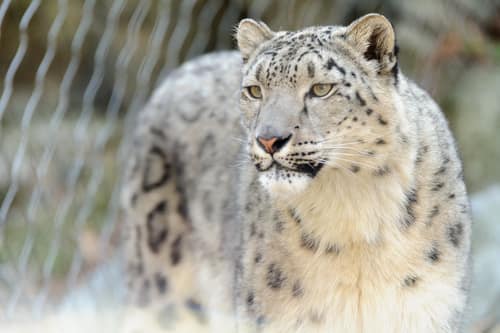
Close Relative "Snow Leopard from the Side" by Eric Kilby is licensed under CC BY-SA 2.0. To view a copy of this license, visit https://creativecommons.org/licenses/by-sa/2.0/. · cc-by-sa
Help improve the field guideSomething wrong?
Checking your Fauna account…Report a name, category, or profile issue for review.